Stocked Parts
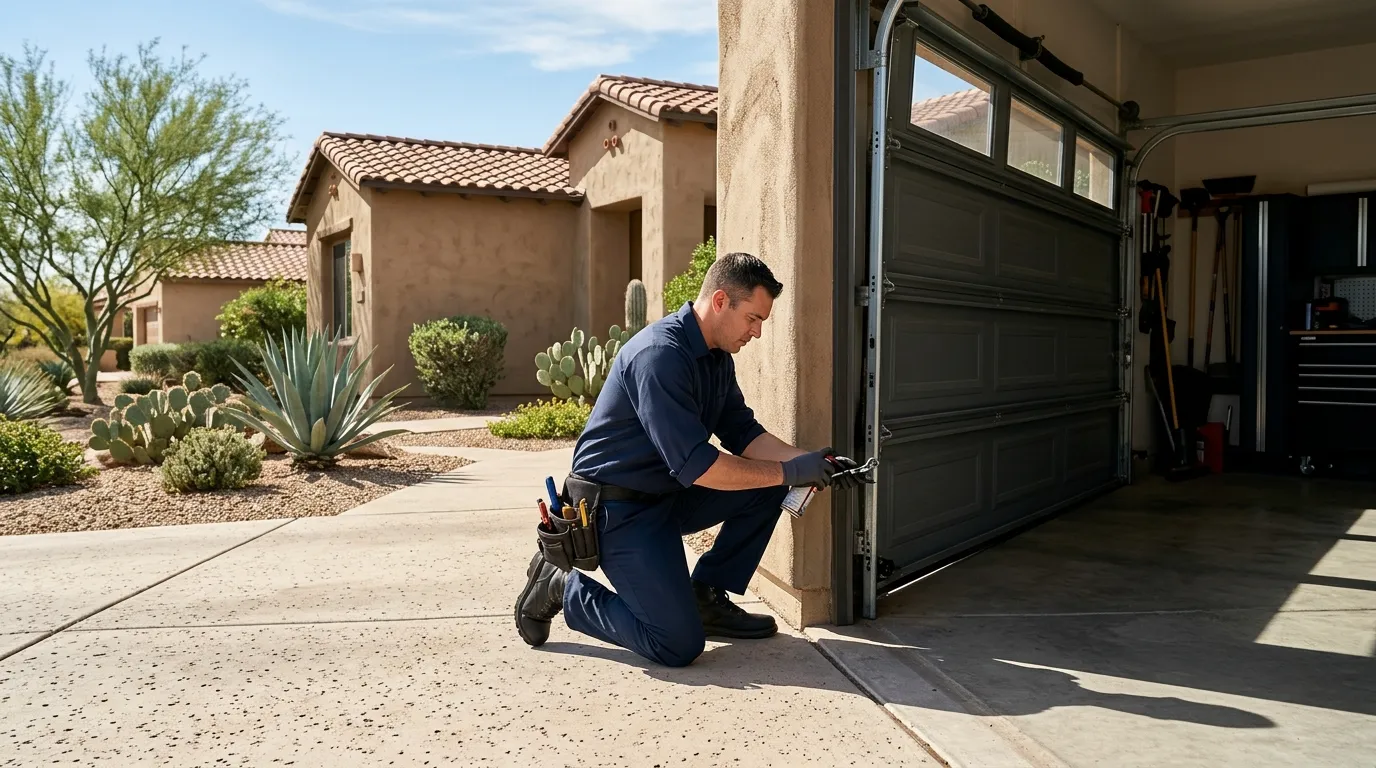
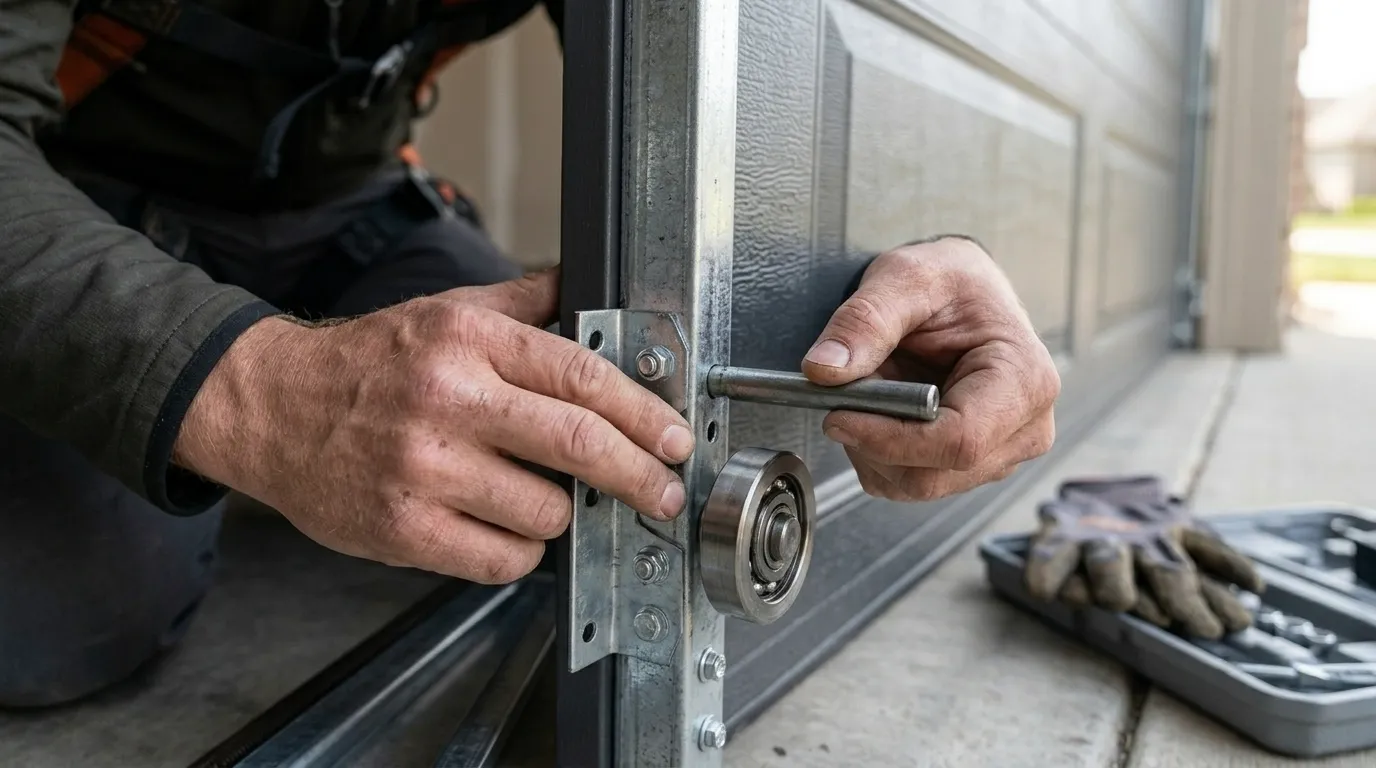
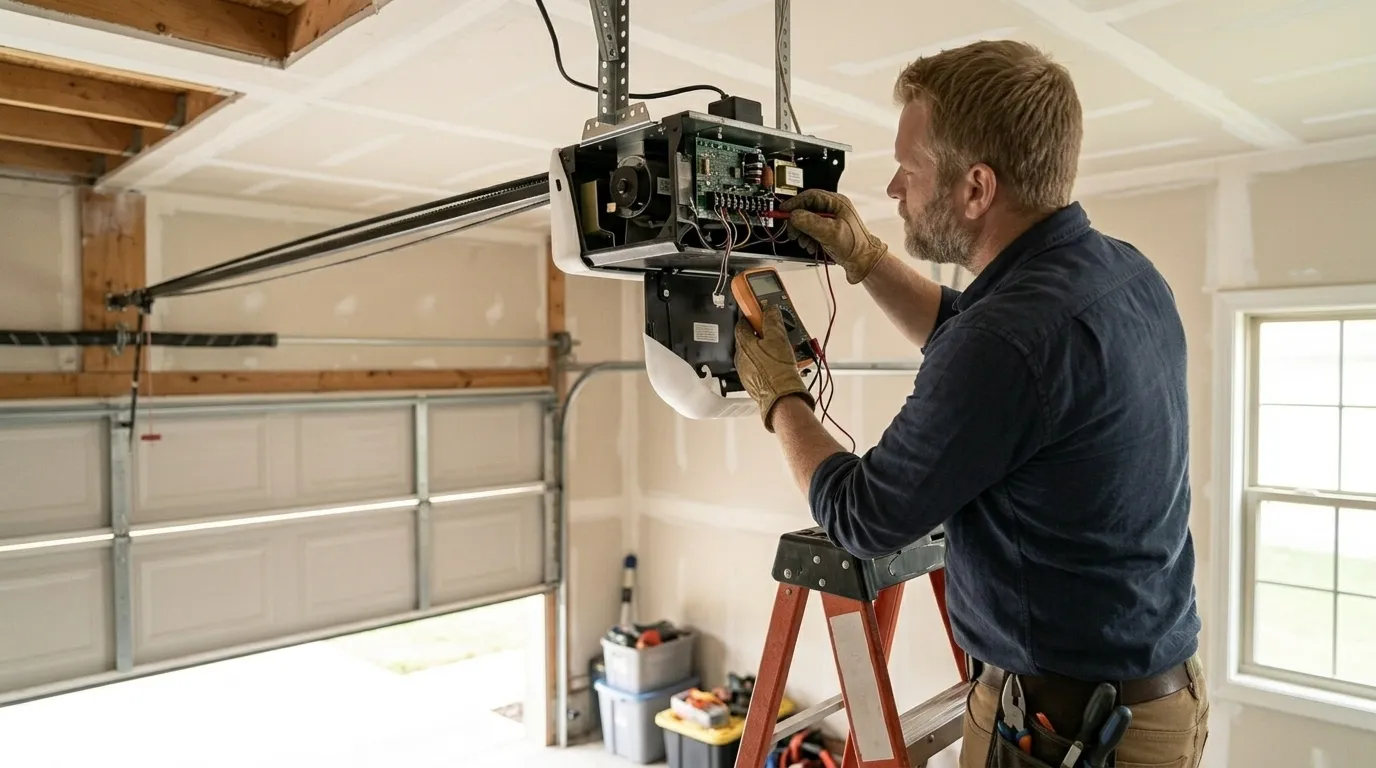
North Kansas City sits about a mile from Kansas City, close enough that a call here doesn't cost the drive time a job twenty miles out does. That matters for parts, not just scheduling - when a tech pulls up already carrying the logic boards, capacitors, and drive gears that fit the openers common to this stretch of the metro, there's no second trip to a supplier.
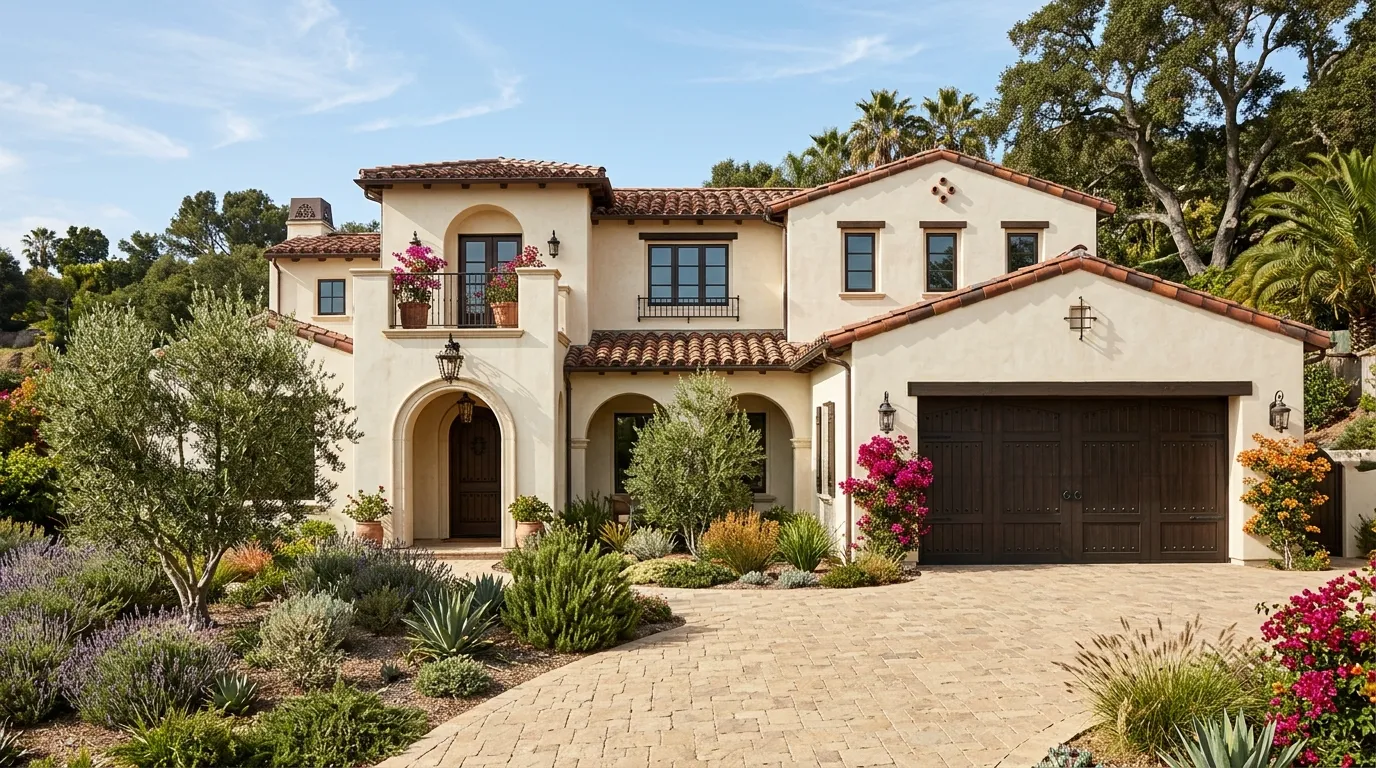
Houses here went up mostly around 1974, sitting right in the middle of the 1951-2002 range seen across the whole service area. That means most original openers are long gone, replaced once or twice already, and what's on the ceiling now is usually a chain or belt-drive unit from the last fifteen to twenty years - not the screw-drive units you'd find in a much older neighborhood. We carry circuit boards, drive gears, sensor pairs, and remote modules sized for that generation of opener, because that's what actually breaks here.
What we don't carry on the truck is every board for every opener ever made. If a unit is old enough or obscure enough, the part sometimes has to be ordered, and that's a delay we're upfront about rather than pretend around.
How It Shows Up
The complaint we hear most from this pocket of the metro is a door that hums but doesn't move, or one that runs partway up and reverses for no visible reason. Both point at the same cause more often than not: a failing capacitor that can't sustain the motor's start-up load, especially in cold weather.
A second pattern is dead remotes and a keypad that stopped responding, while the wall button still works fine. That's usually a logic board issue, not a battery, and it's common on openers that have been running fifteen-plus years - which, given that most homes here were built around 1974, describes a lot of the units still in service.
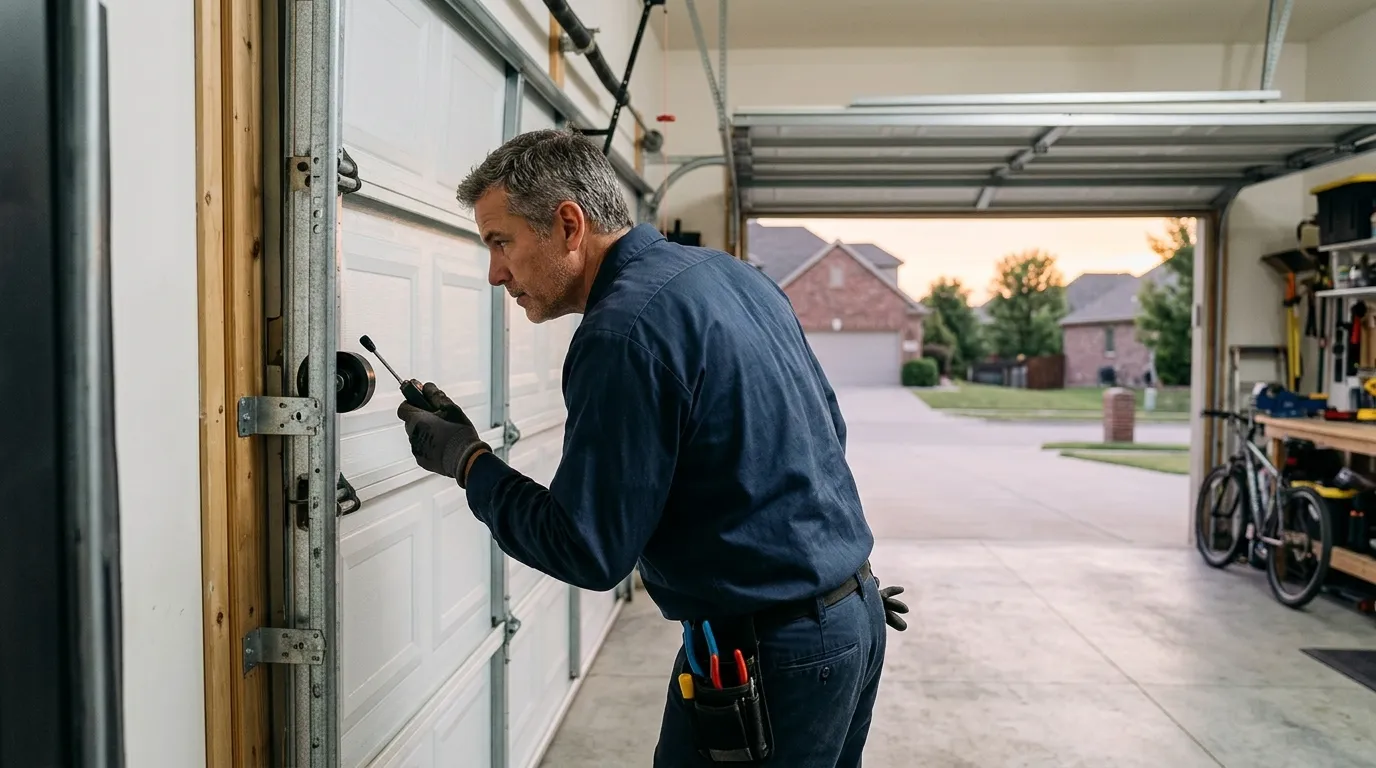
Less often, a homeowner reports lights flashing but the door not moving at all. That's the opener's way of reporting a fault code, and on the models common to this area it almost always traces back to either the sensor alignment or the same aging logic board. With only about 2,891 households in North Kansas City, this isn't a place where we've seen every possible failure - but these three account for most of the calls.
Doing It Yourself
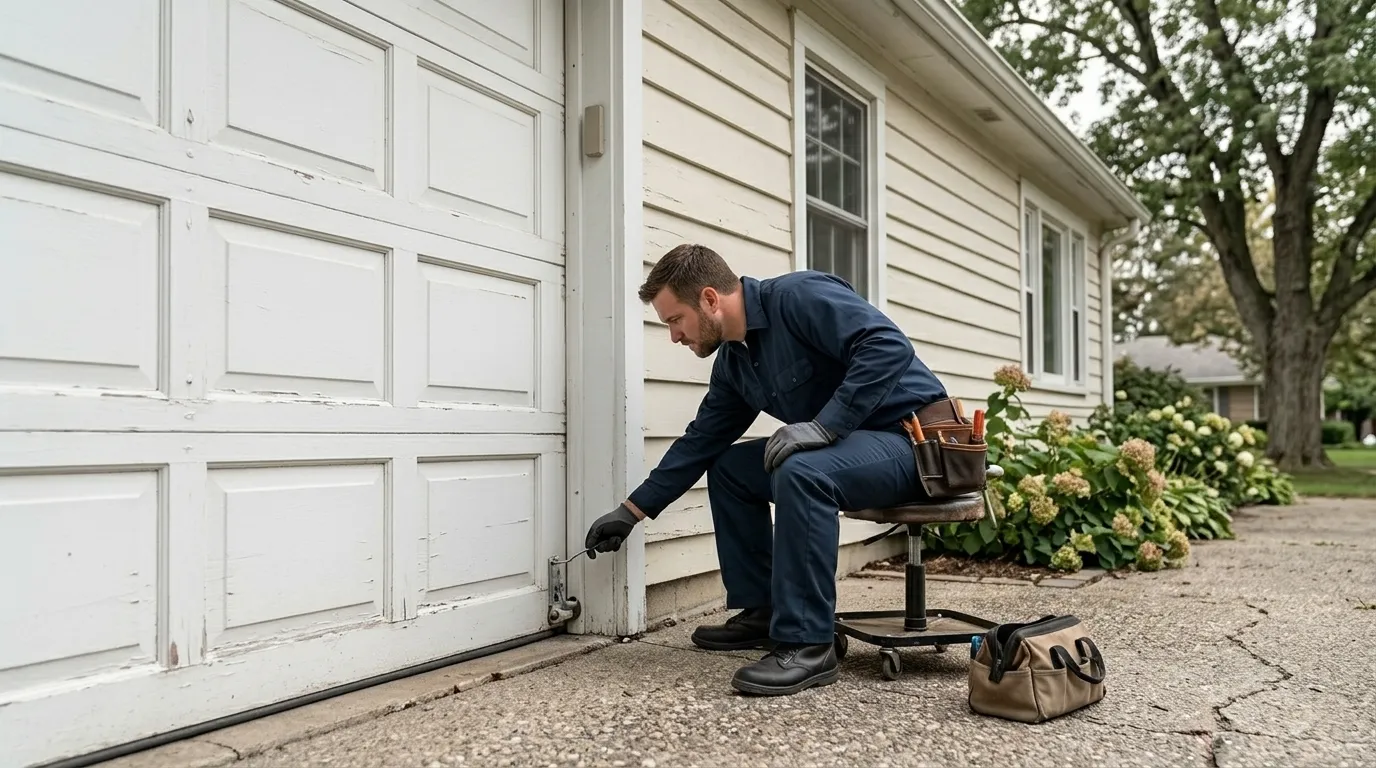
A few things are worth checking before you call anyone. If the door won't respond at all, confirm the opener is plugged in and the outlet hasn't tripped - a surprising number of no-power calls turn out to be a breaker, not the unit. If the door reverses partway up, wipe down the safety sensors near the floor track; dust or a spiderweb across the beam reads as an obstruction and the opener does exactly what it's built to do, which is stop.
Replacing batteries in a remote or keypad is cheap and worth trying before assuming the worst. Beyond that, we'd tell you to stop. Opening the motor housing to get at a capacitor or logic board means working next to a spring-loaded system, and the small savings on the part isn't worth the risk of the door coming down on someone.
One honest limit: we can't diagnose a logic board fault over the phone with any confidence. Fault-code lights vary by manufacturer, and guessing wrong means a wasted trip for everyone.