Stocked Parts
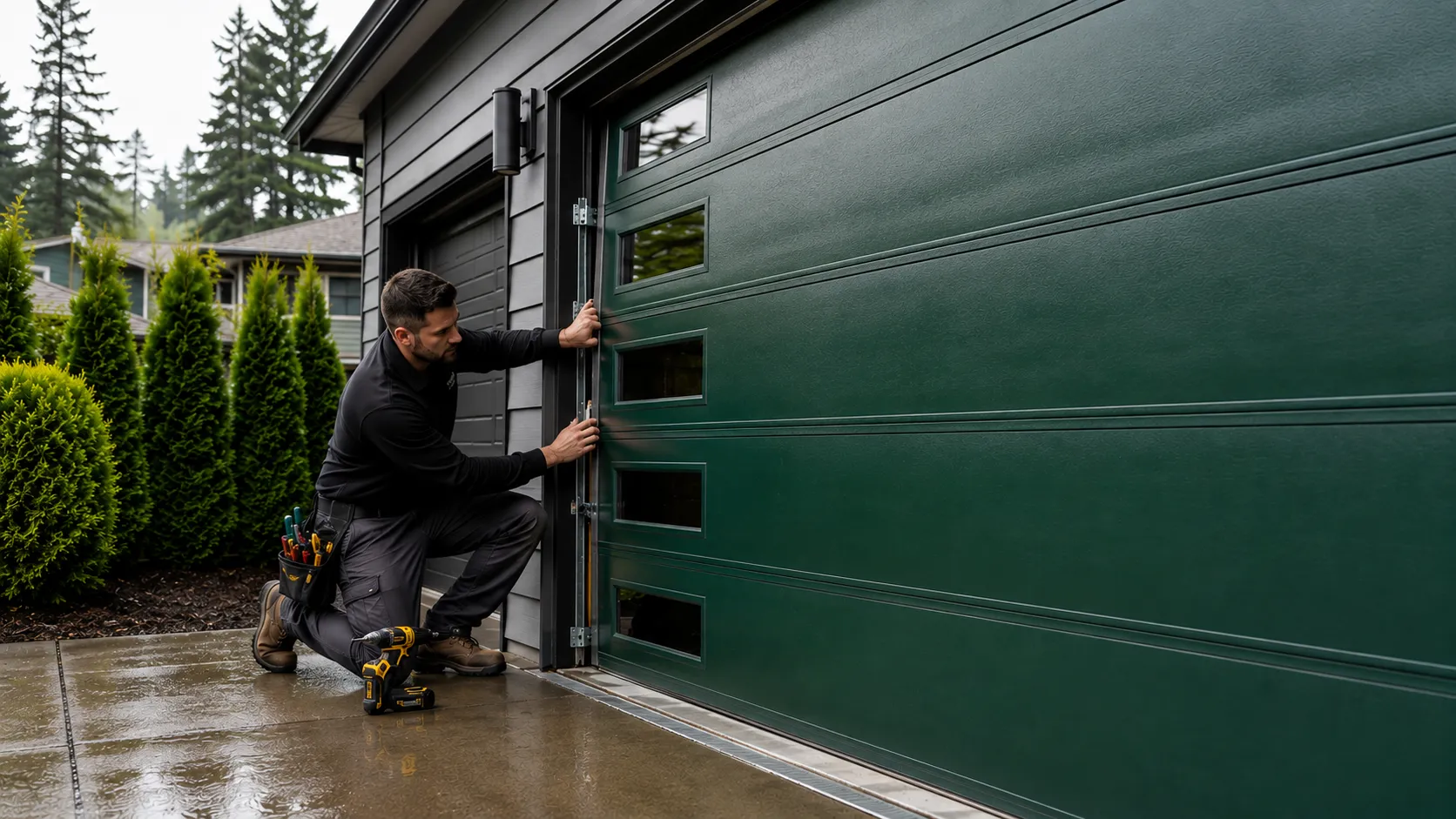
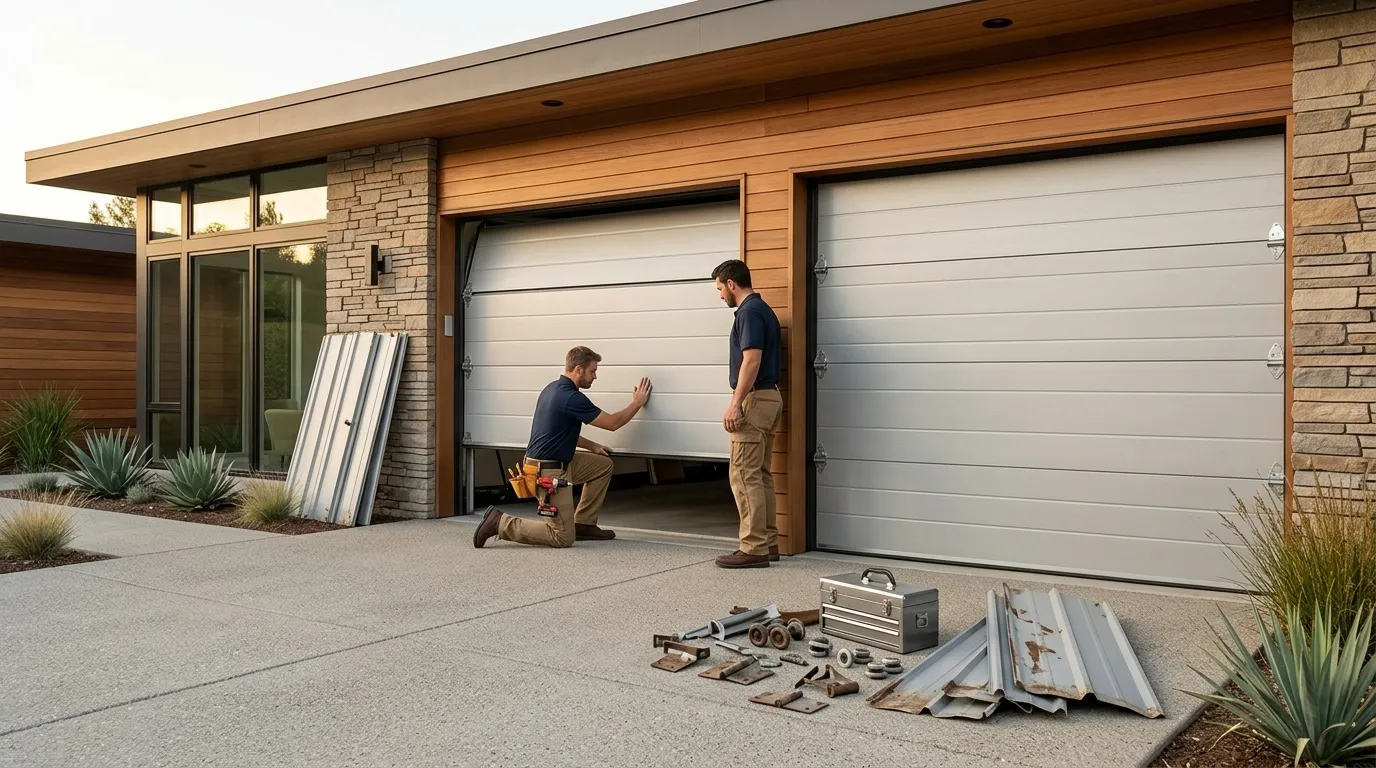
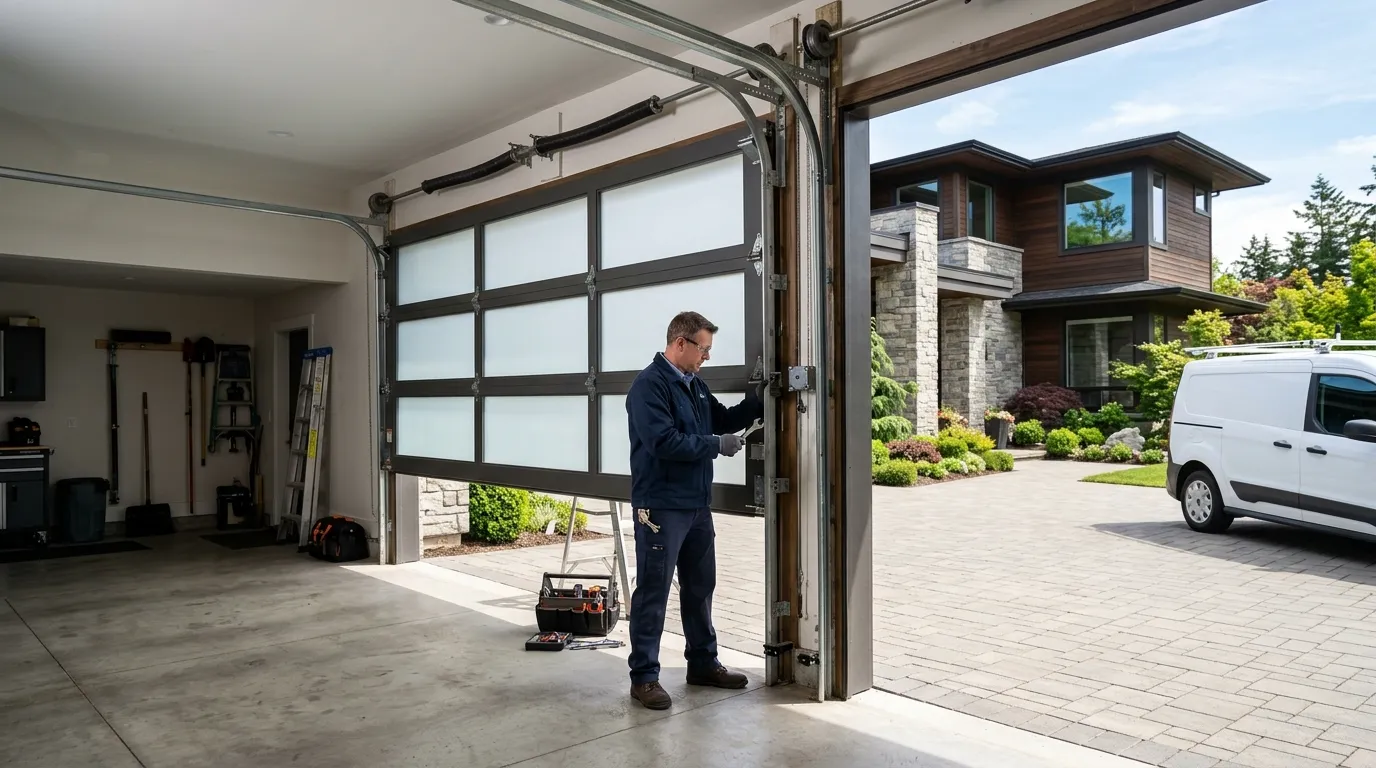
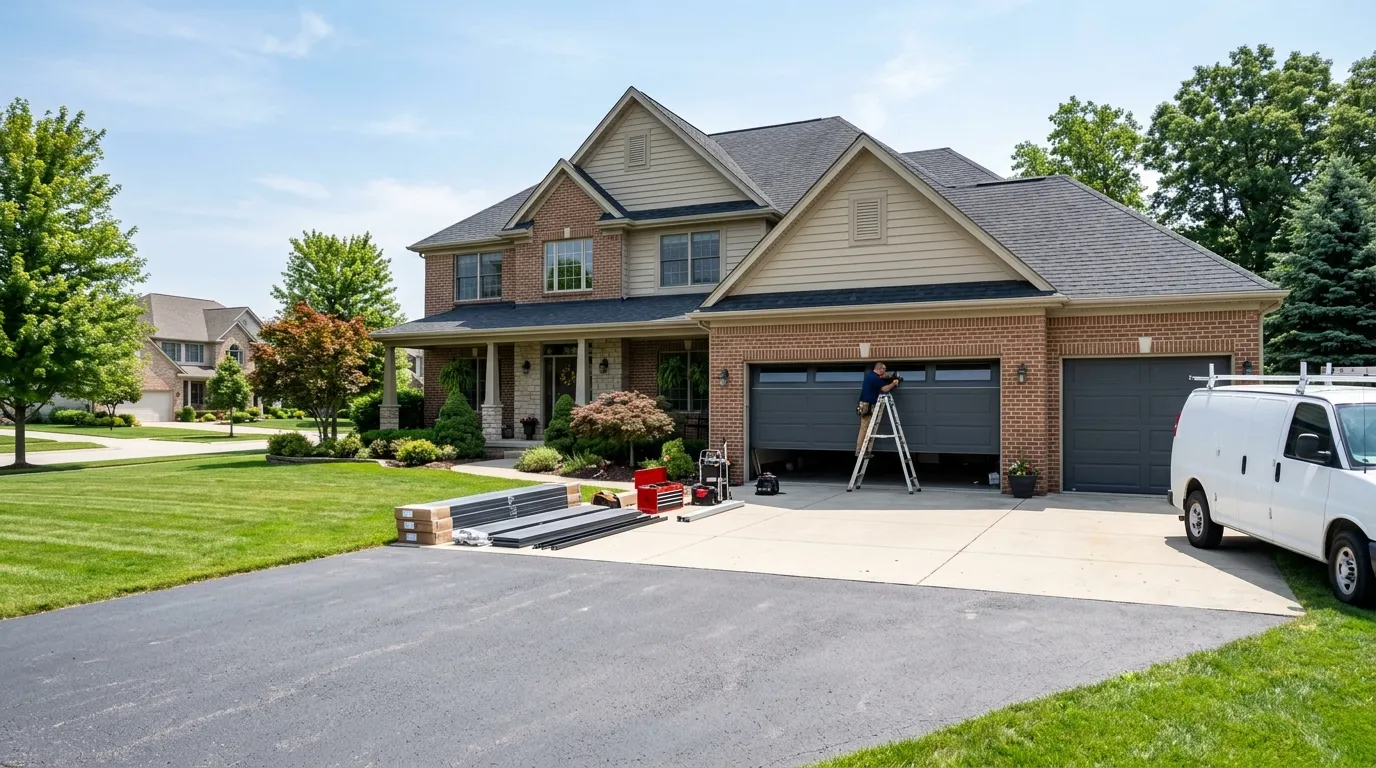
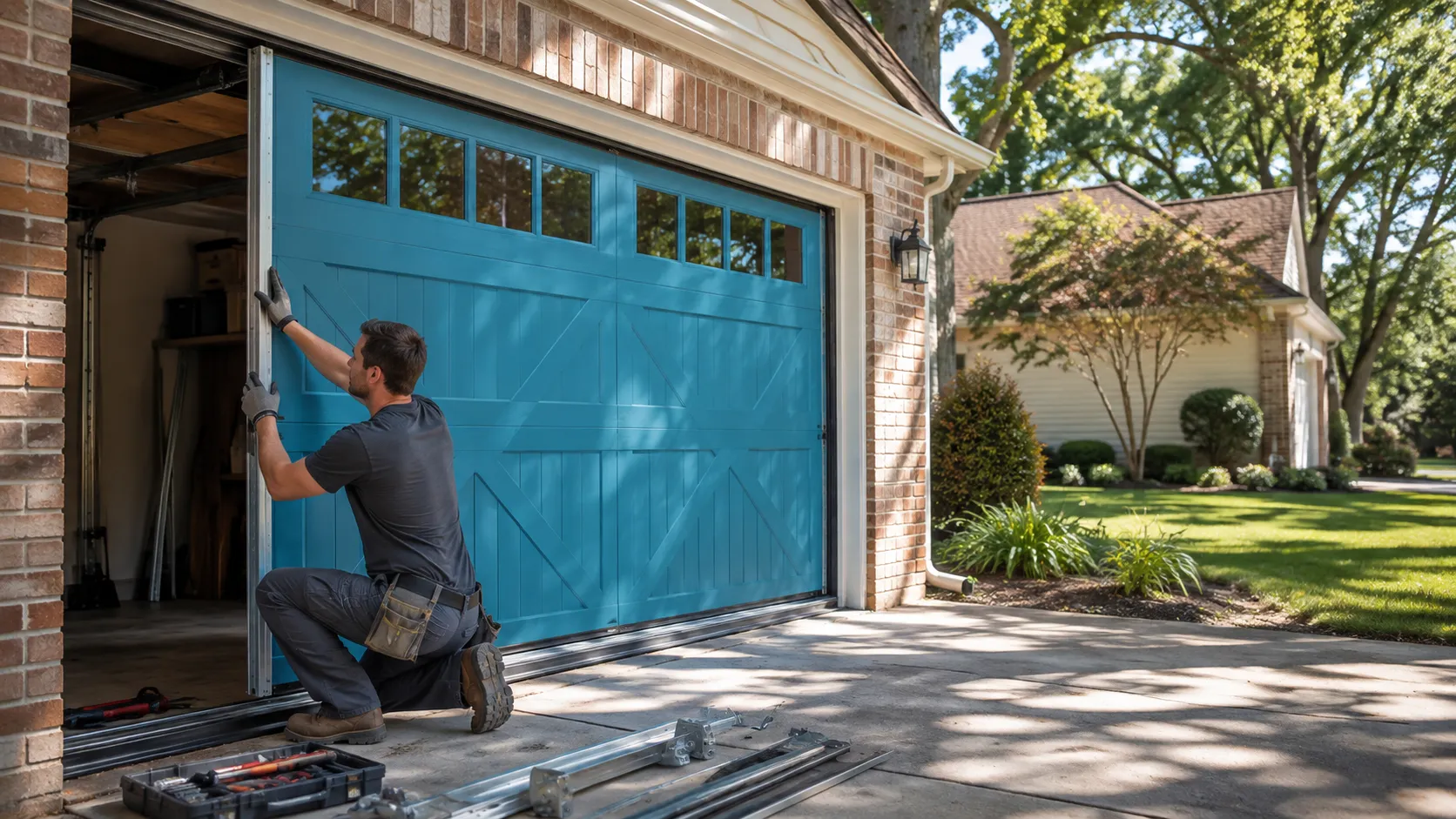
The truck carries galvanized aircraft cable in the diameters that match doors built through the 1970s and 80s, plus the stamped steel drums that era used before manufacturers switched to cast aluminum. North Kansas City sits right at the edge of that build window - the median home here went up around 1974, per local data, which lines up with the wider service area's 1951-2002 range. That means most doors in town still run on the original drum style or a direct replacement of it, not the newer two-piece cable drums you'd find on a door built in the last ten years. We also carry the small parts that fail alongside a cable: the bottom bracket, the cable clamp, and the pulley on doors that still use one. What we don't stock on the truck is anything for a wood door with a decorative overlay heavy enough to need a custom cable gauge - that's a special-order part and we'll tell you upfront if your door needs it.
How It Shows Up
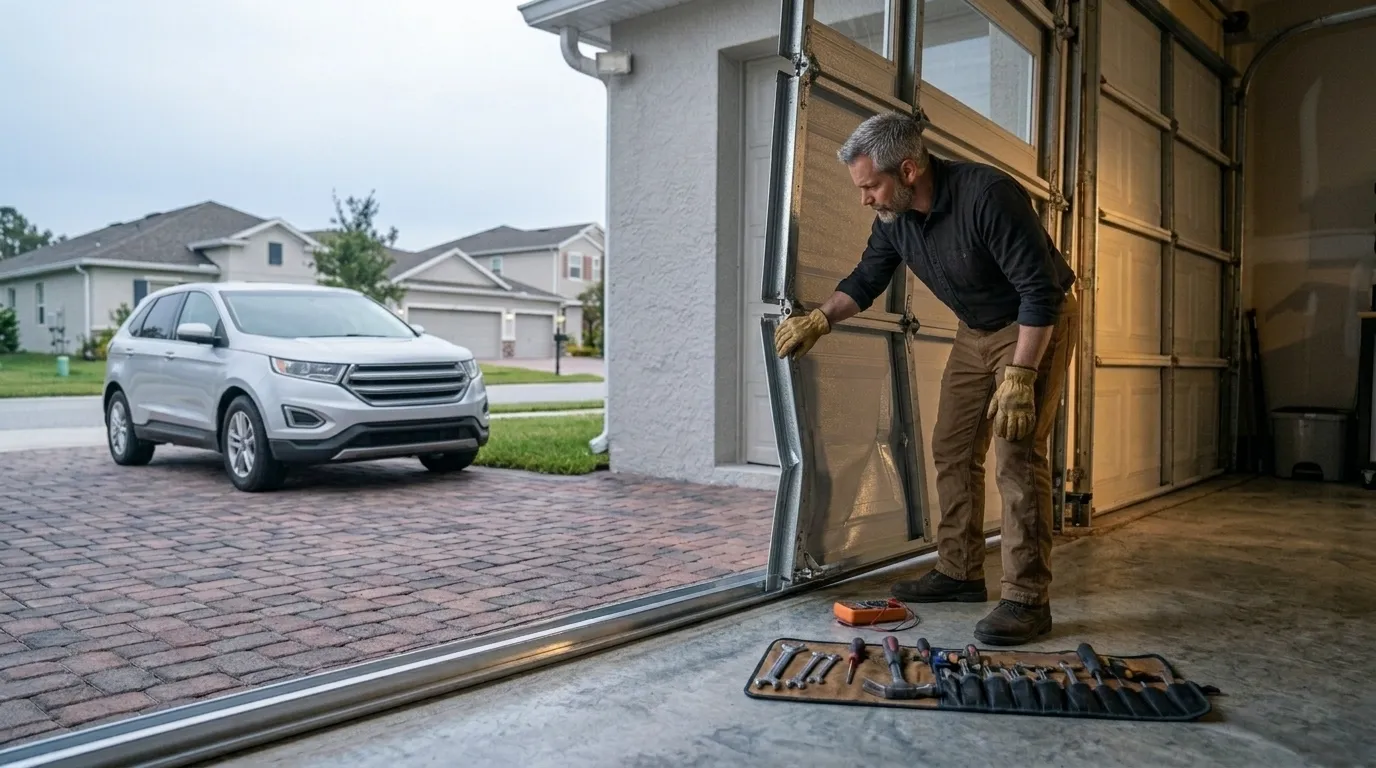
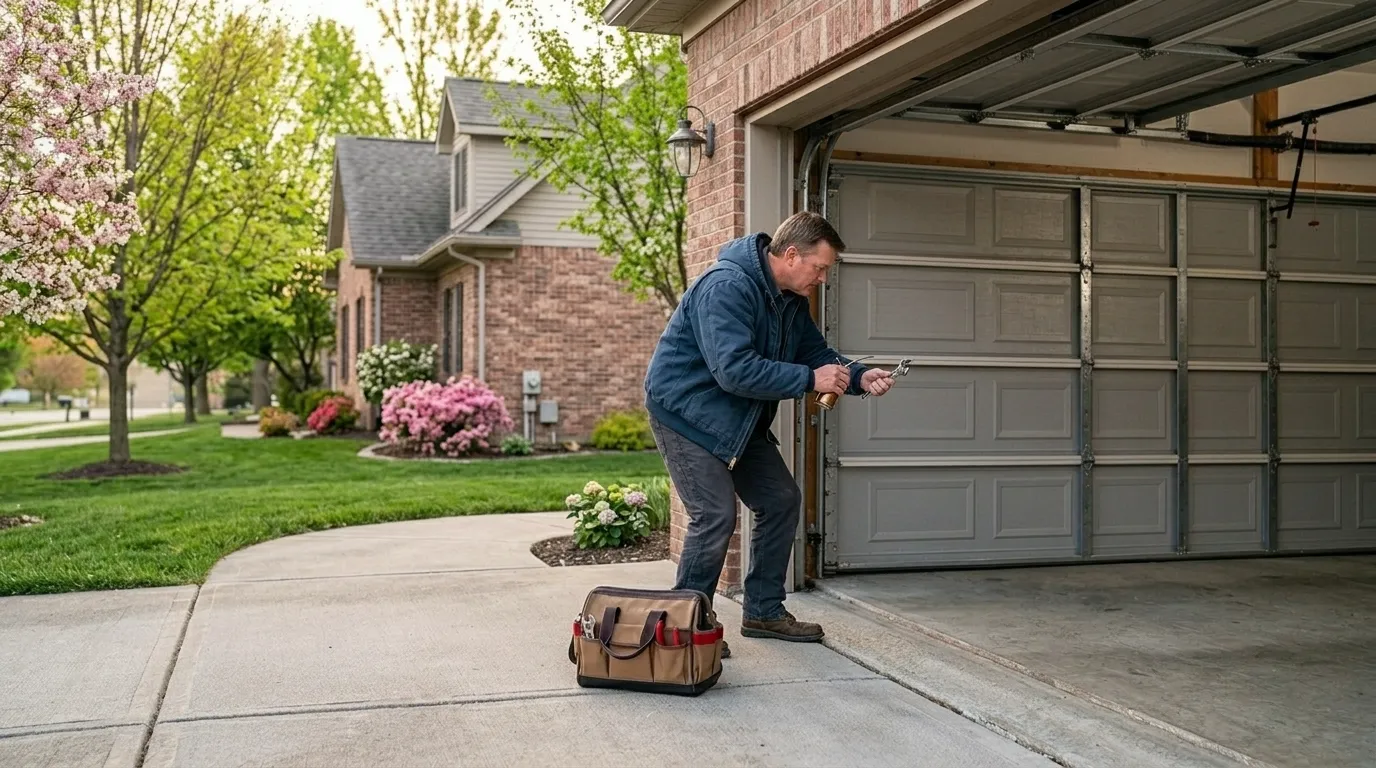
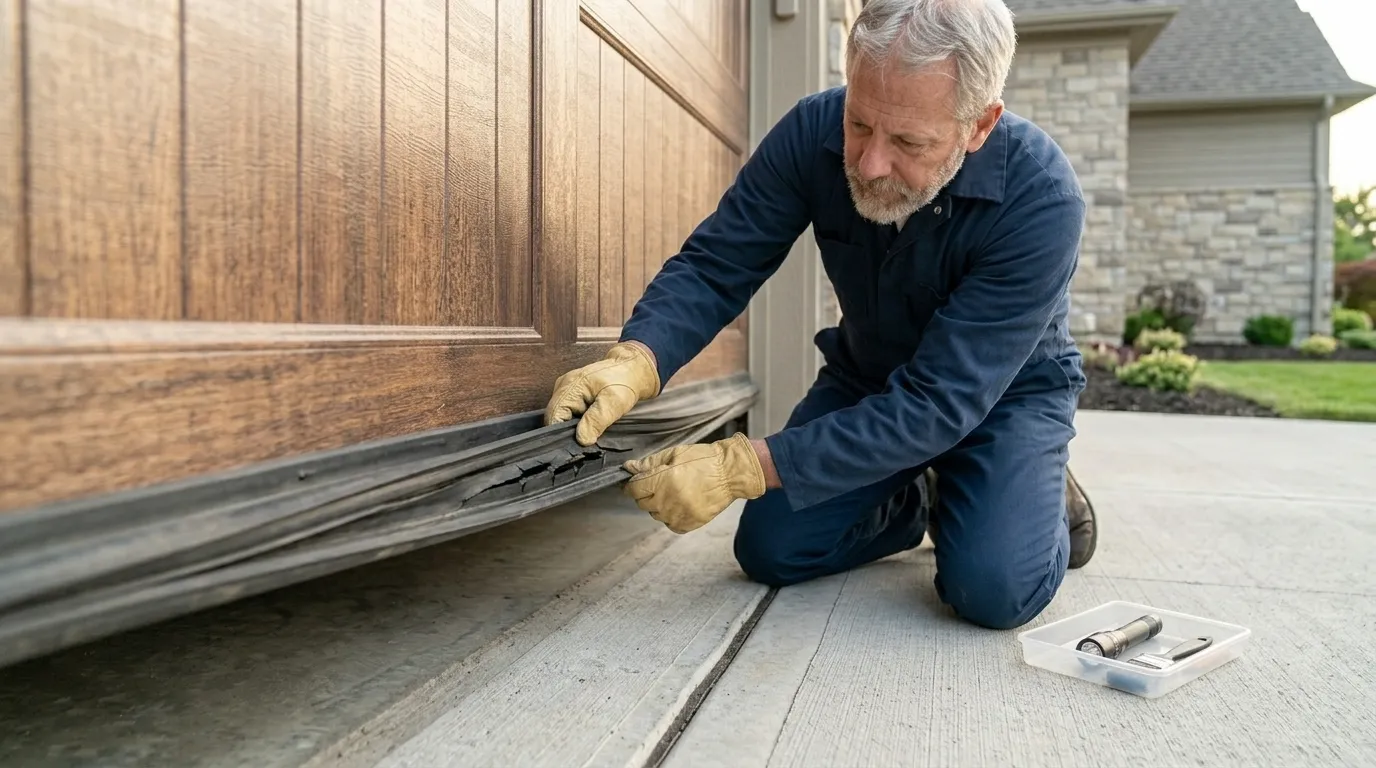
Most owners notice it one of two ways. Either the door drops crooked - one side lower than the other because one cable is still holding and the other has let go - or the door won't move at all because a snapped cable has jammed against the drum or bunched at the bottom bracket. Sometimes you'll hear it before you see it: a sharp pop or a whip-crack sound as the strand parts under tension, usually right as the door is partway through its travel. If your door was already sticking or moving slower than it used to, that's the cable fraying under load before it fully separates - worth a call before it goes the rest of the way. A door that's hanging crooked should not be forced up or down by hand or by the opener; the remaining cable and the springs are still under full tension and that's how fingers and knuckles get hurt.
Doing It Yourself
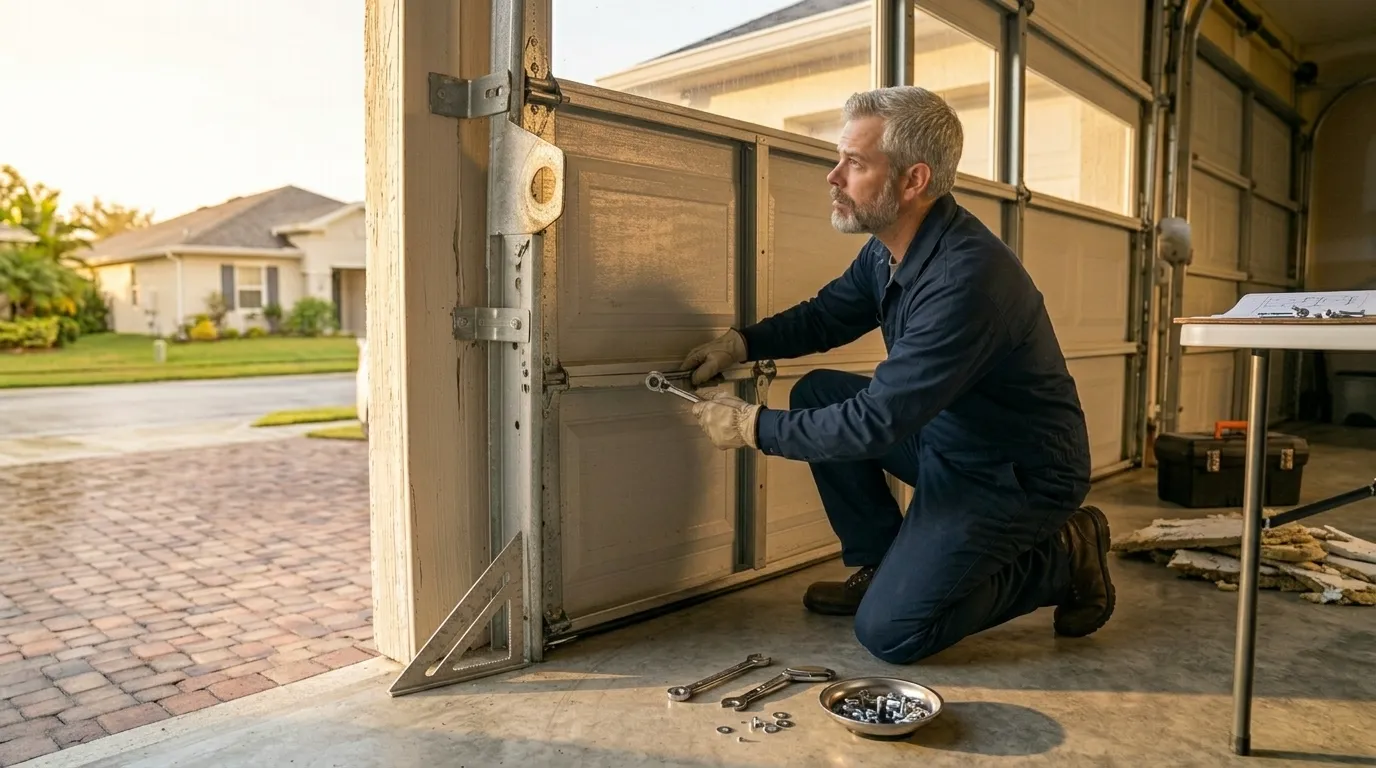
We'll say it plainly: don't. A garage door cable works against the tension of the springs, and on the torsion-spring setups common in houses this age, that's enough stored force to snap a wrench out of your hand or drop a 150-pound door section on it. Cutting the old cable free while the spring is still wound is the single most common way people get hurt trying to save a service call. If you want to do something useful before we get there, unplug the opener so nobody tries to run the door on the broken cable, and block the door in place if it's stuck partway rather than trying to force it. Beyond that, this is a job for someone who releases spring tension for a living. It's not a judgment on your toolbox - it's that the margin for error here is thin and the cost of getting it wrong is a trip to the ER, not a redo.