What We Do Not Take On
We don't do new home construction installs where the opening hasn't been framed yet - that's a job for the builder's crew, not a repair truck. We also don't touch gate operators or commercial rolling steel doors; different hardware, different parts supply, and we'd rather send you to someone who stocks it than fumble through it. If your door is a kit door older than the 1951-2002 range that makes up most of this area's housing stock, parts can take longer to source, and we'll tell you that up front instead of promising a same-day fix we can't back. We won't quote a repair over the phone with no photos or model number - too many torsion systems look alike from across a garage, and a wrong guess wastes your afternoon and ours. And if a door is cheaper to replace than repair, we say so, even though the repair ticket is smaller for us. That call is yours to make, but we're not going to run up a bill patching a door that's done.
Who You Are Dealing With
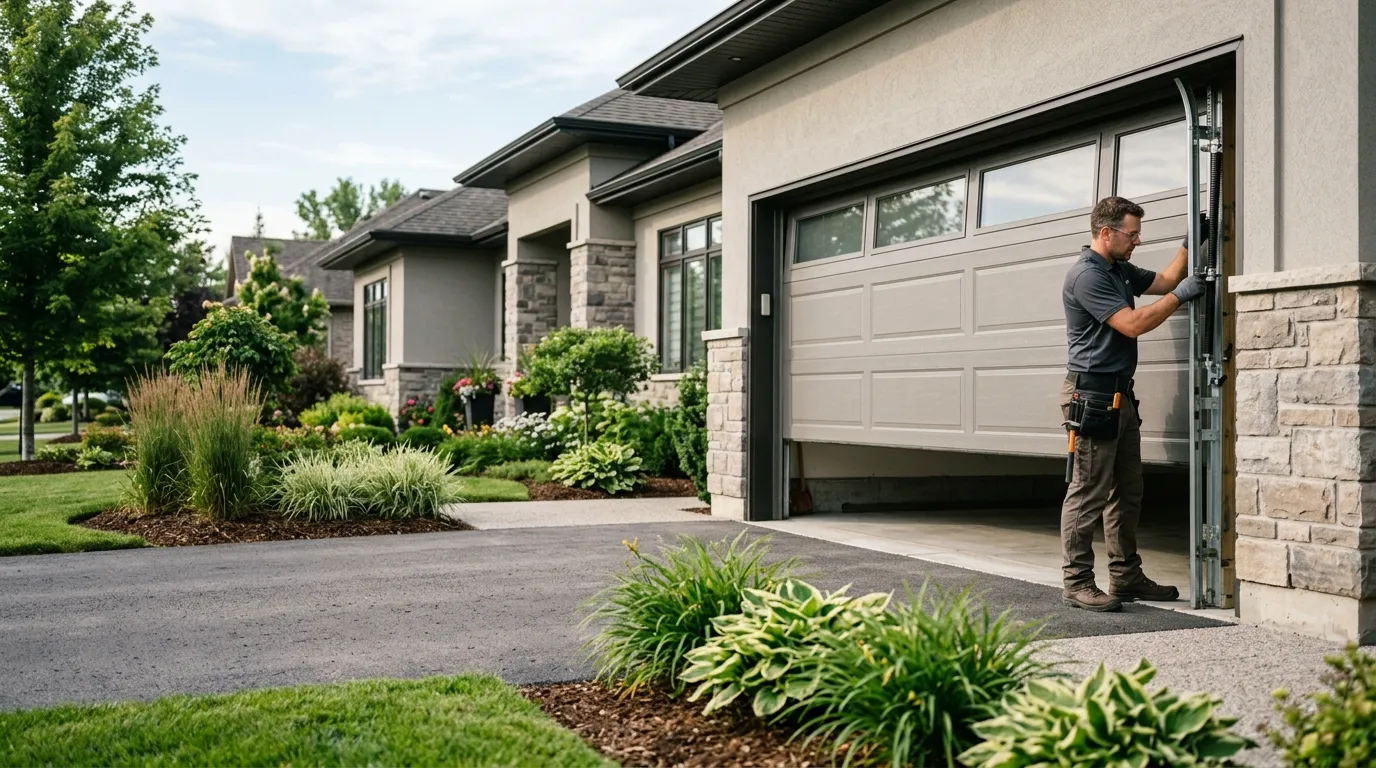
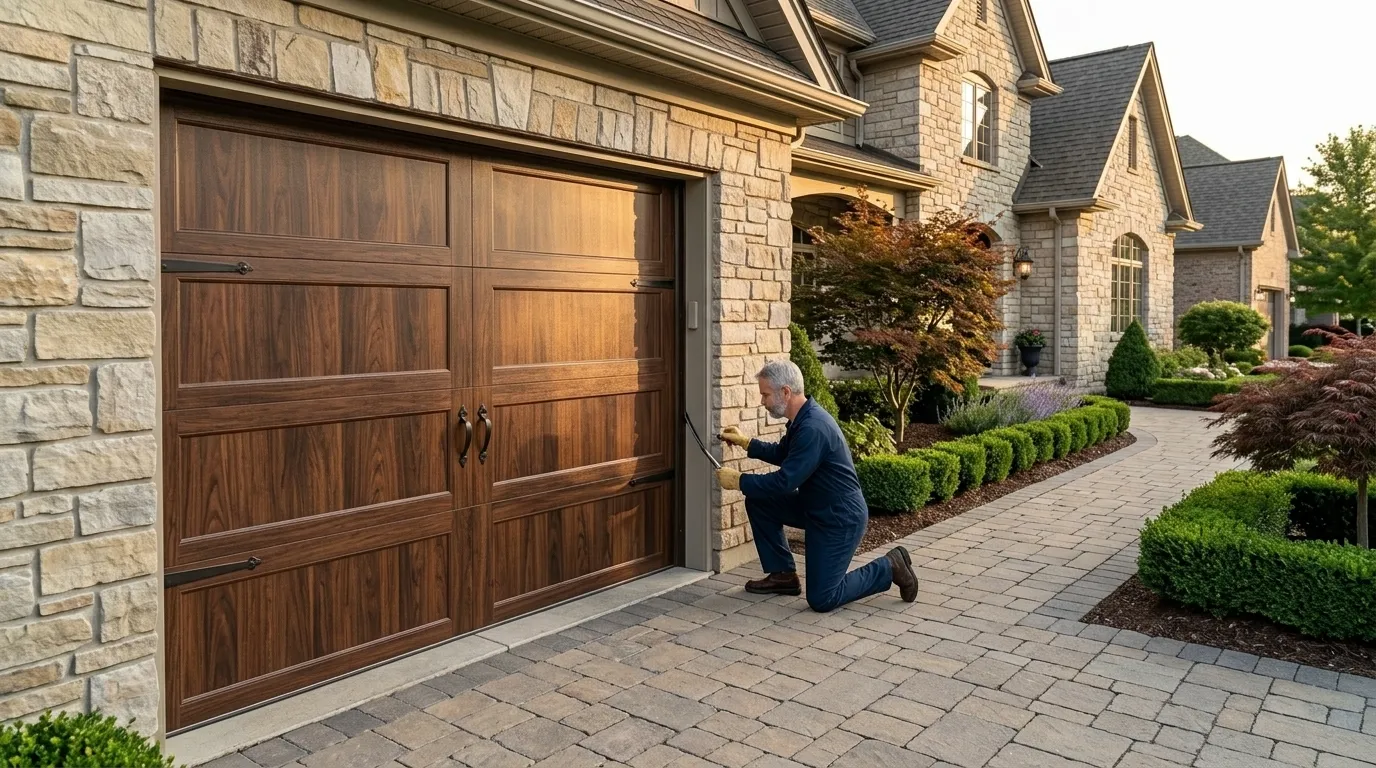
We work on garage doors in a metro area where the median house was built in 1973, and a lot of the stock across the 18 areas we cover dates from the 1960s and '70s. That matters because those decades used spring and track hardware that's different from what goes into a house built in the last ten years - different drum sizes, different mounting brackets, sometimes a door that's been reworked once or twice already by someone else. We're not a call center dispatching to a rotating pool of subcontractors. When you call the number above, you're reaching the people who show up. With a median household income of $69,680 across the service area, we try to price repairs so that fixing a spring or a section doesn't automatically mean a full door replacement - though sometimes that is genuinely the better math, and we'll say so.
What We Are Called Out For
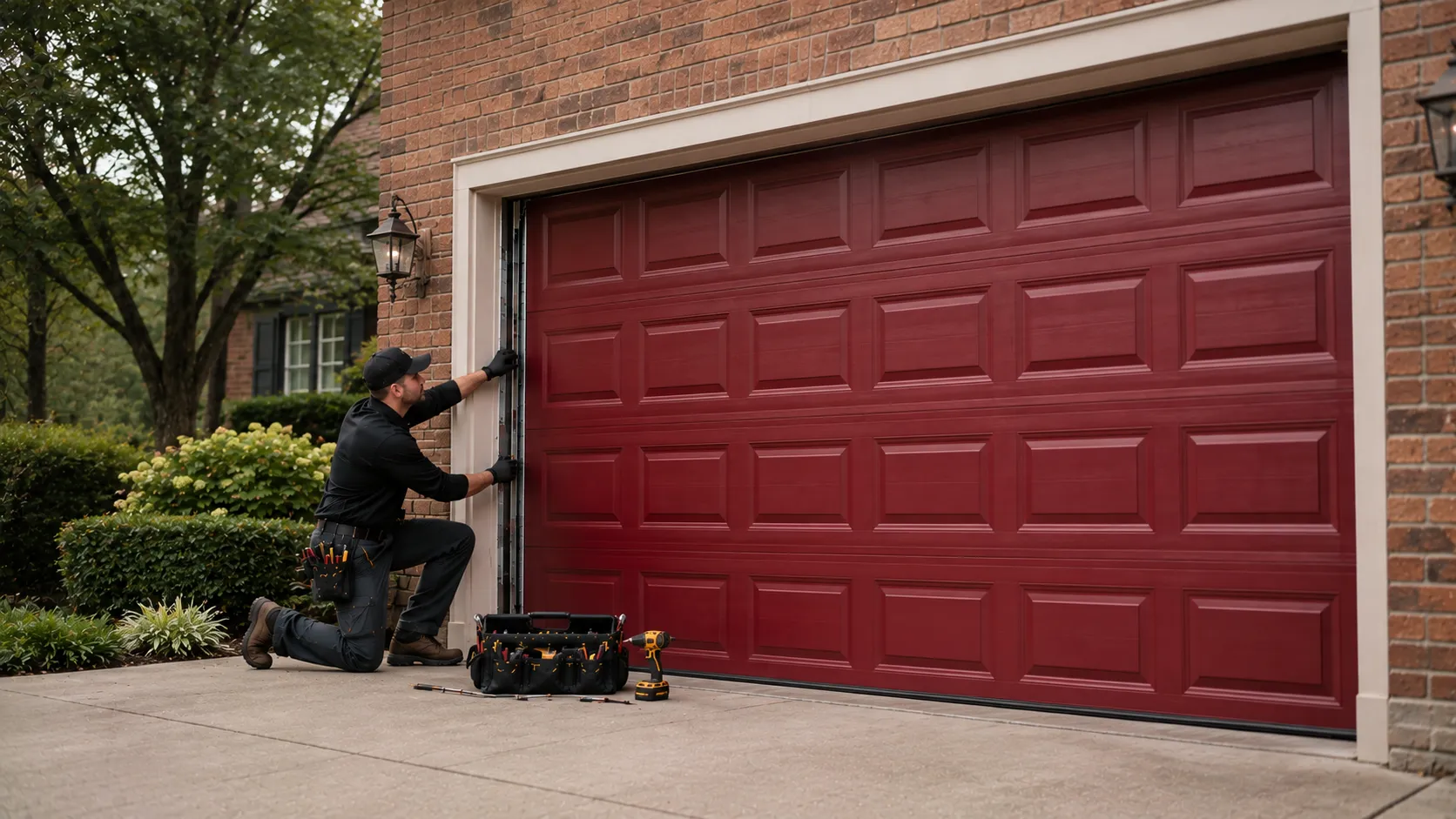
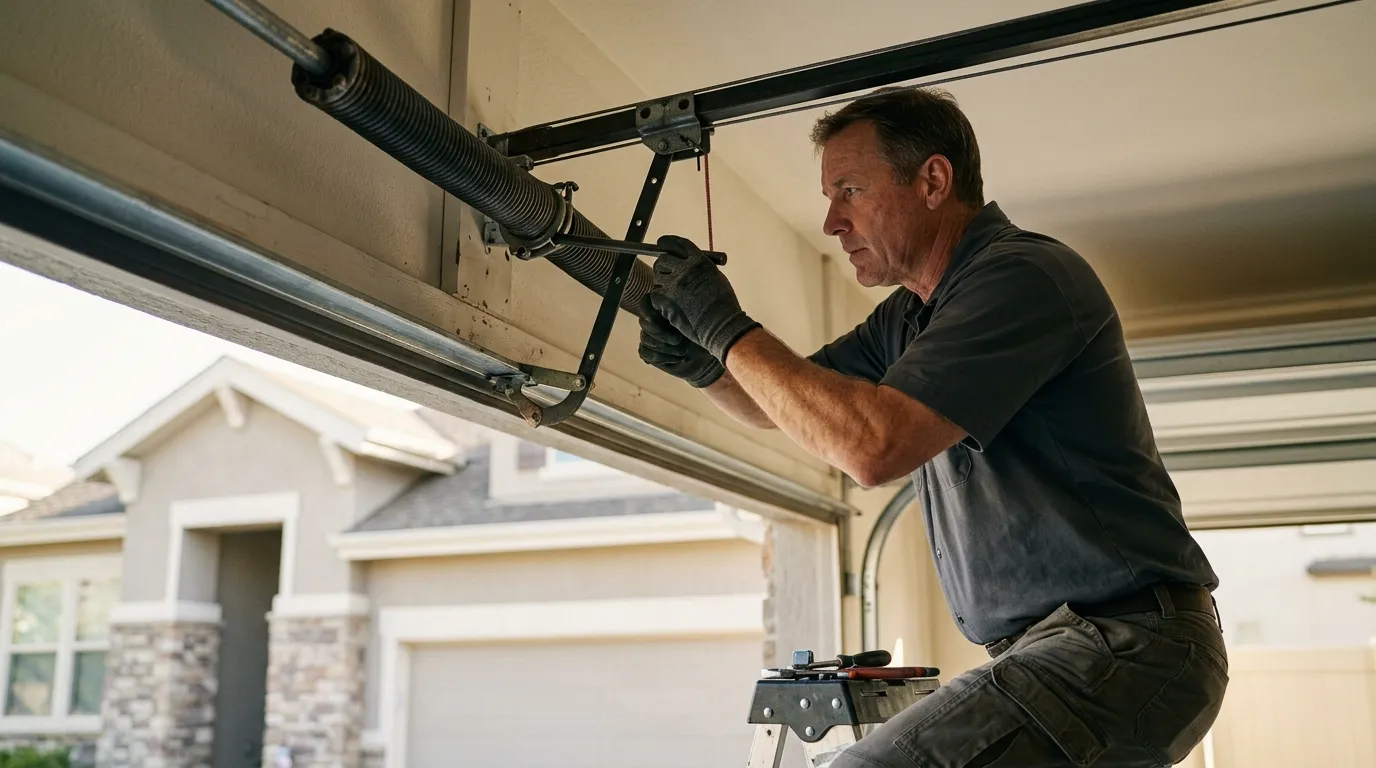
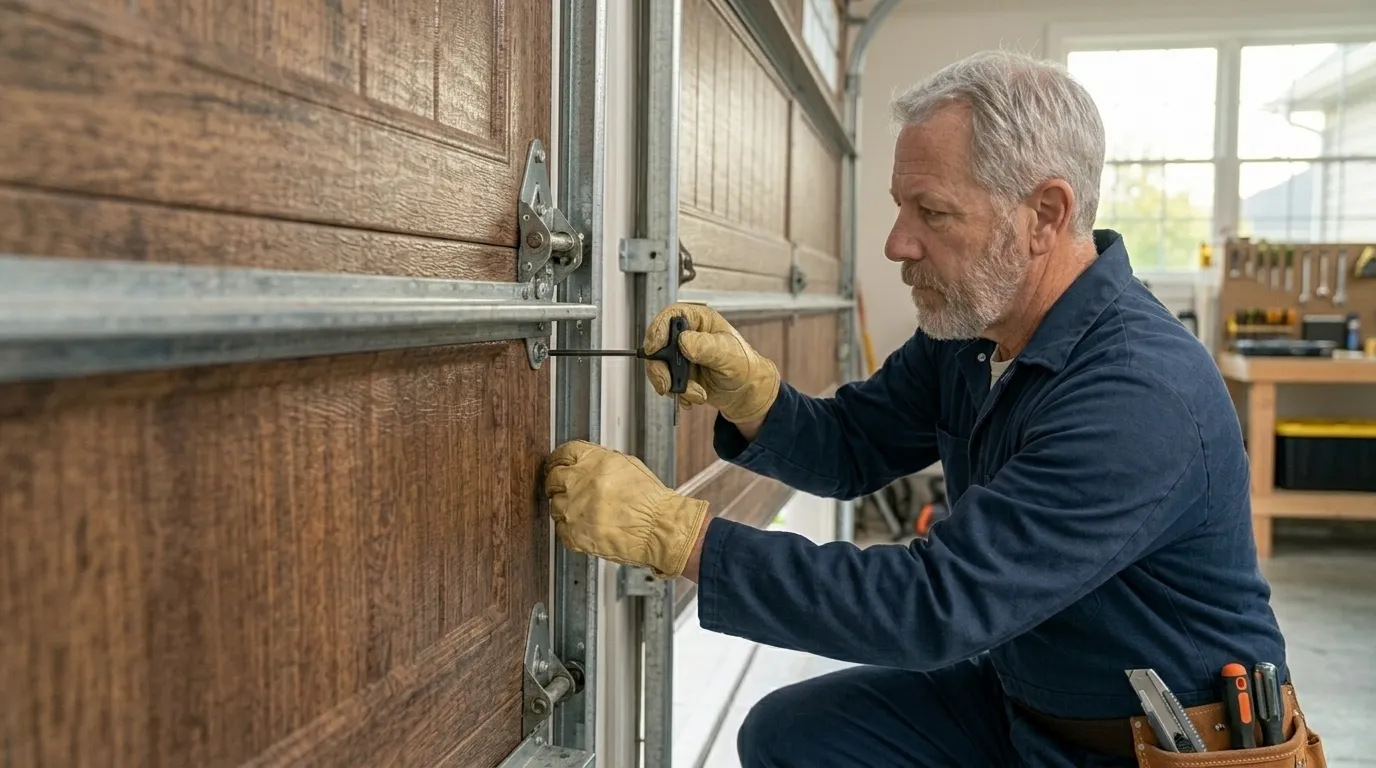
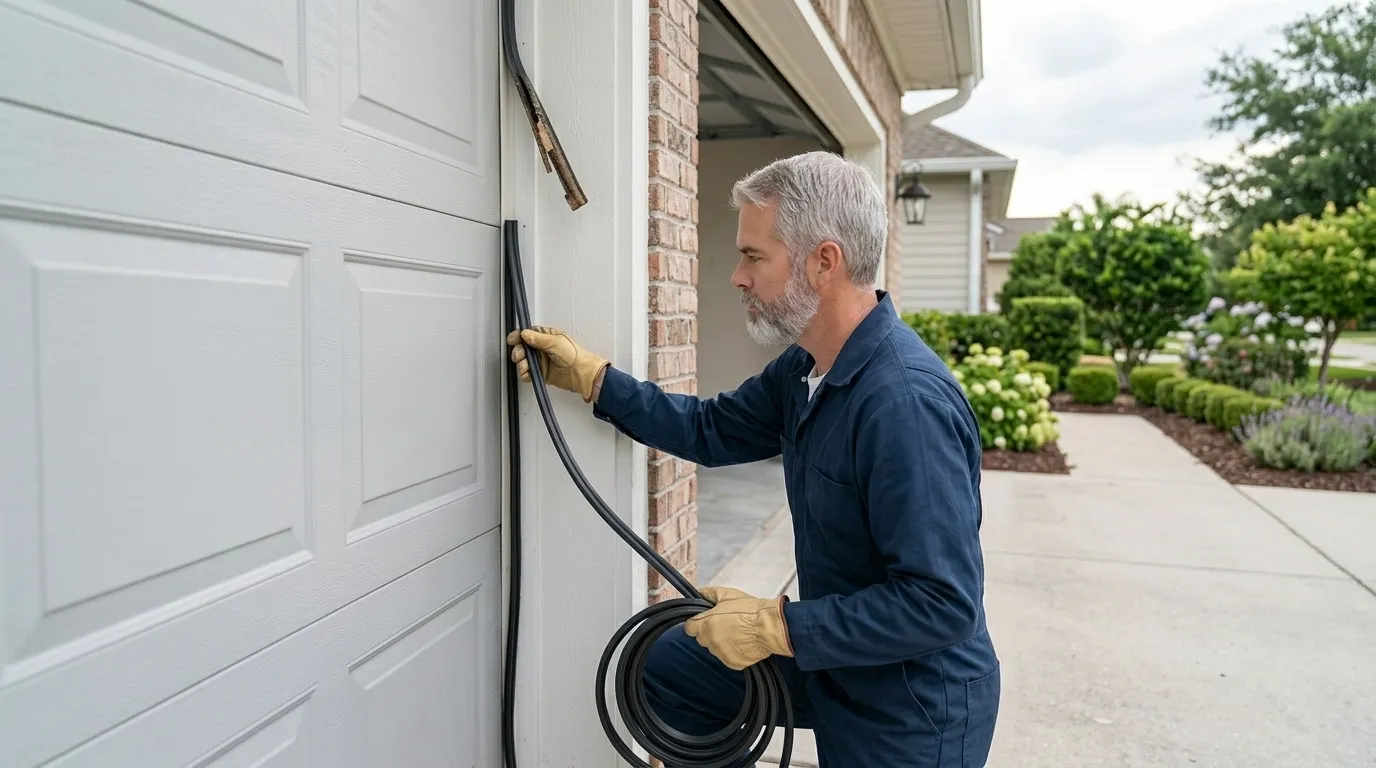
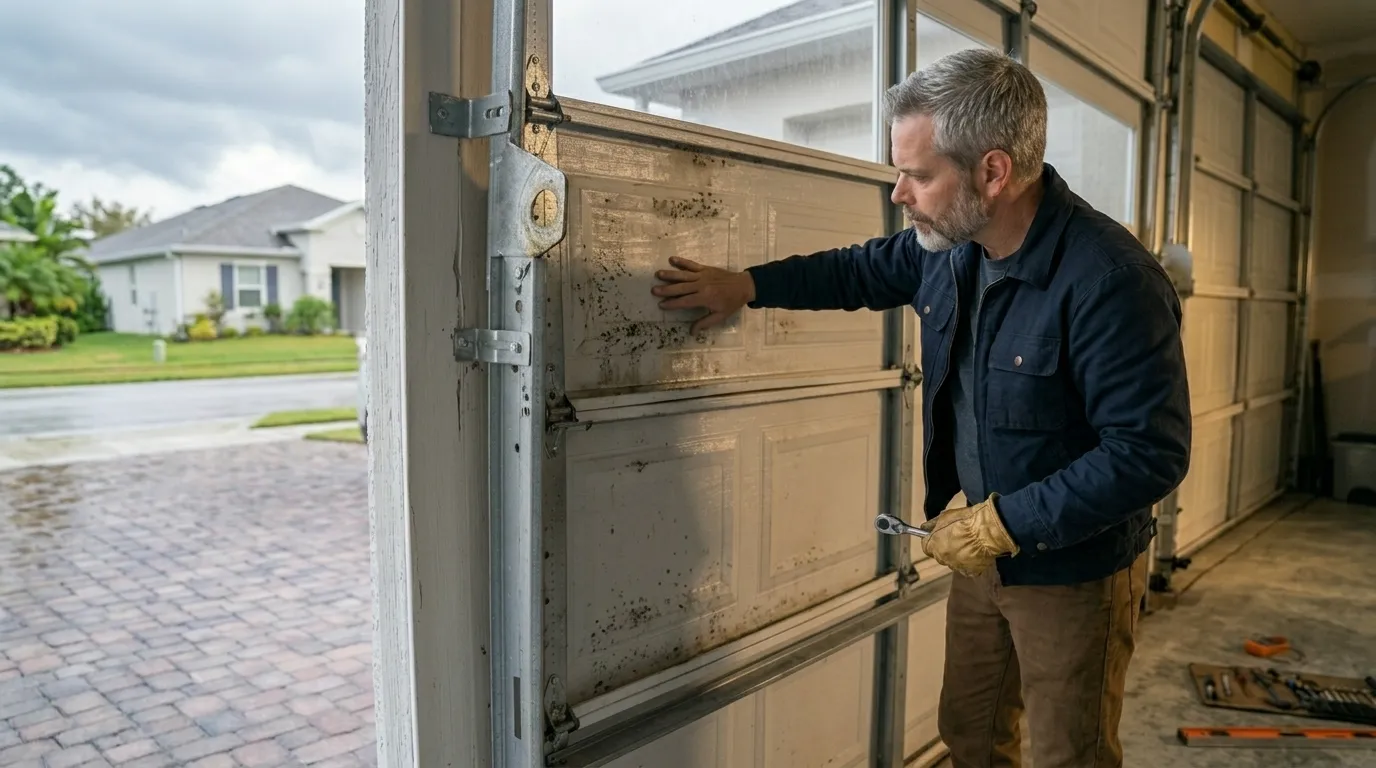
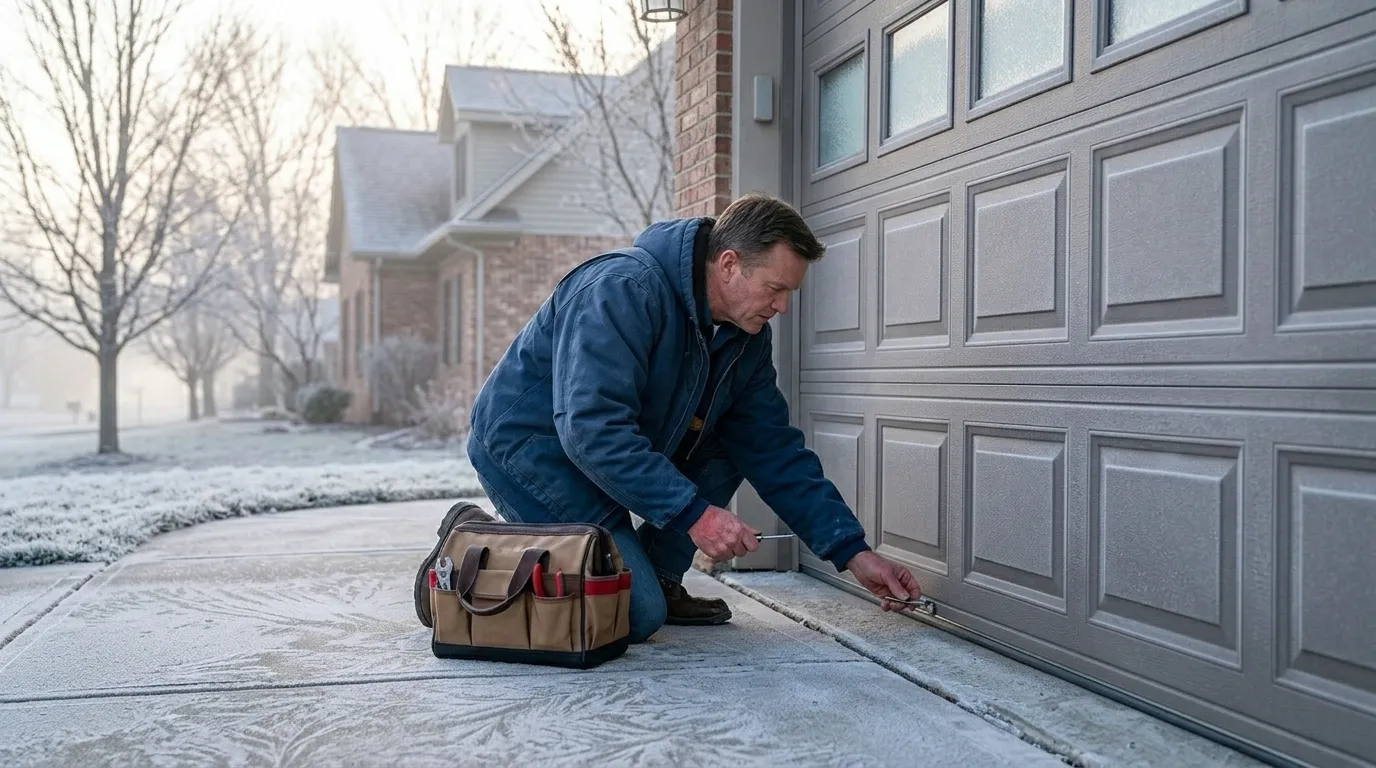
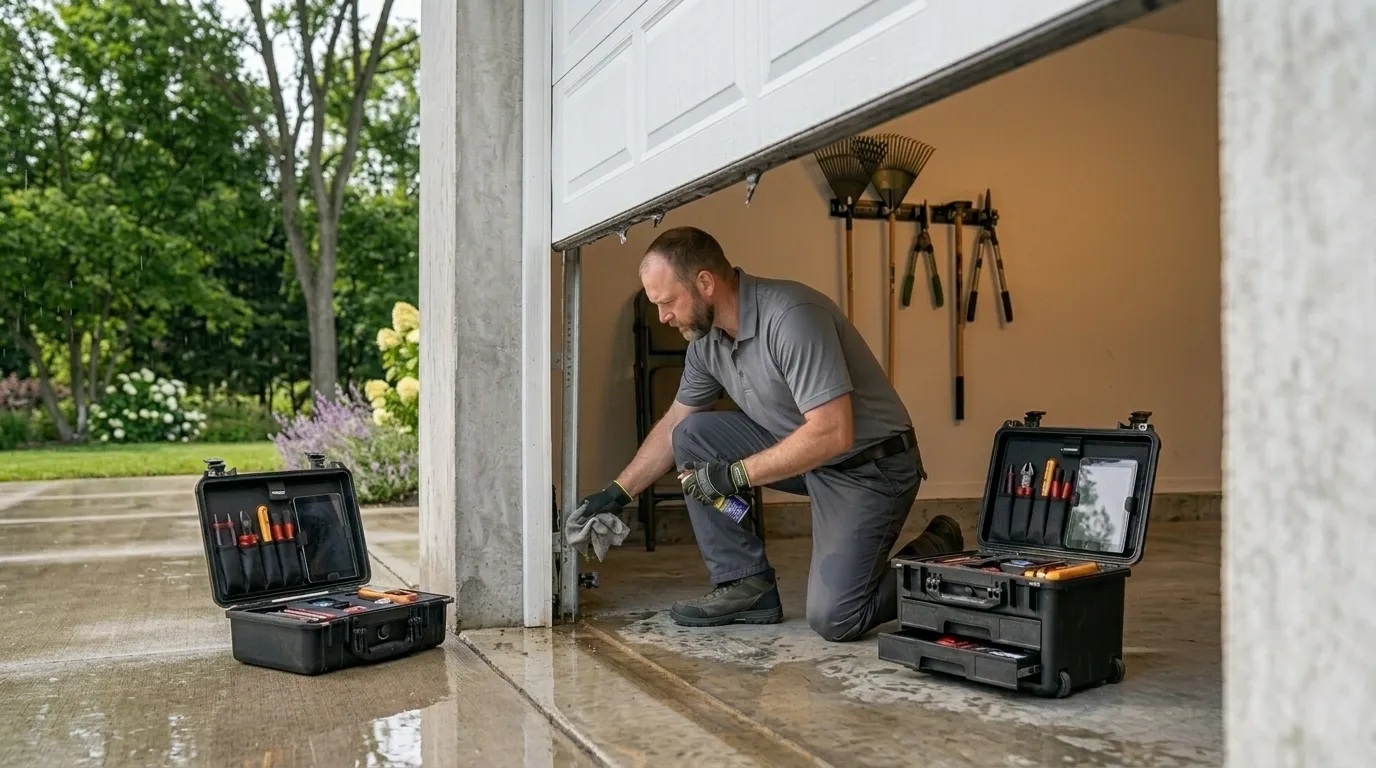
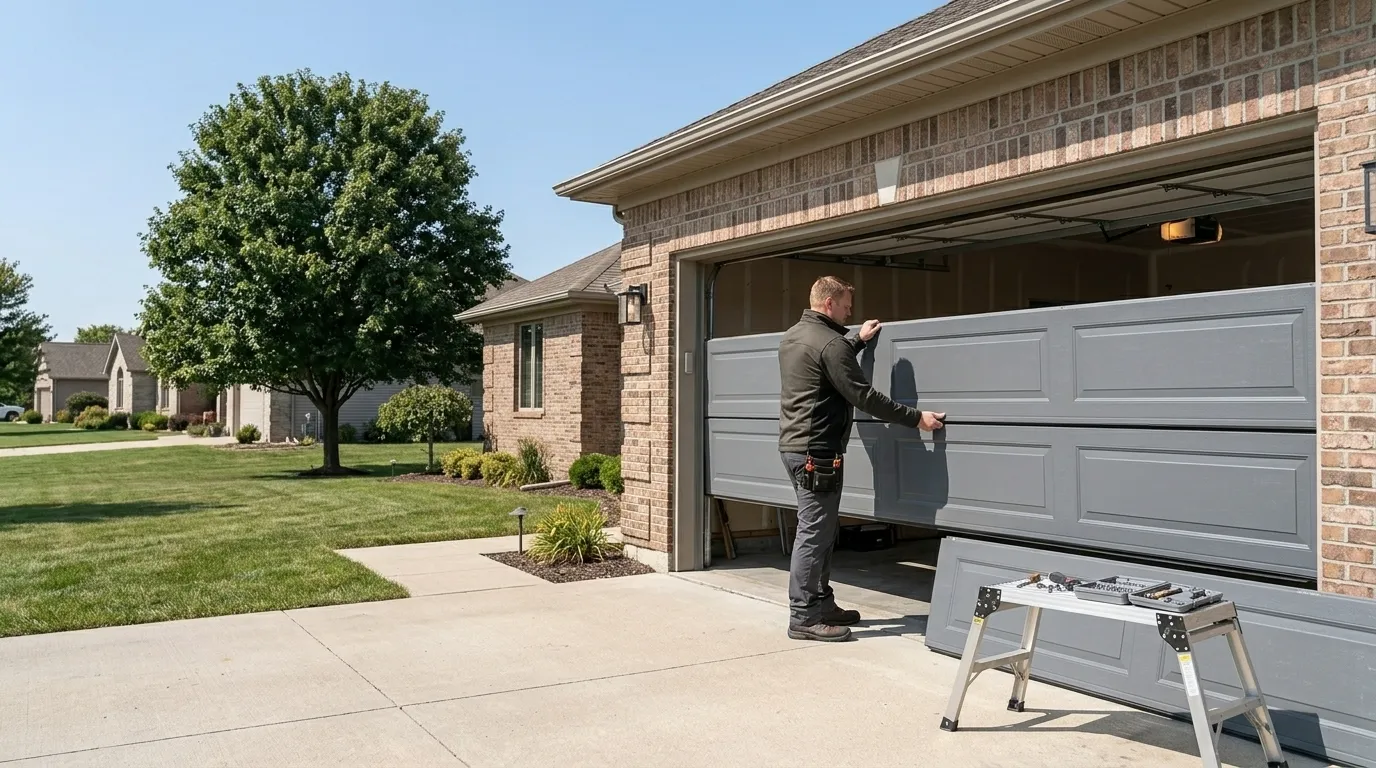
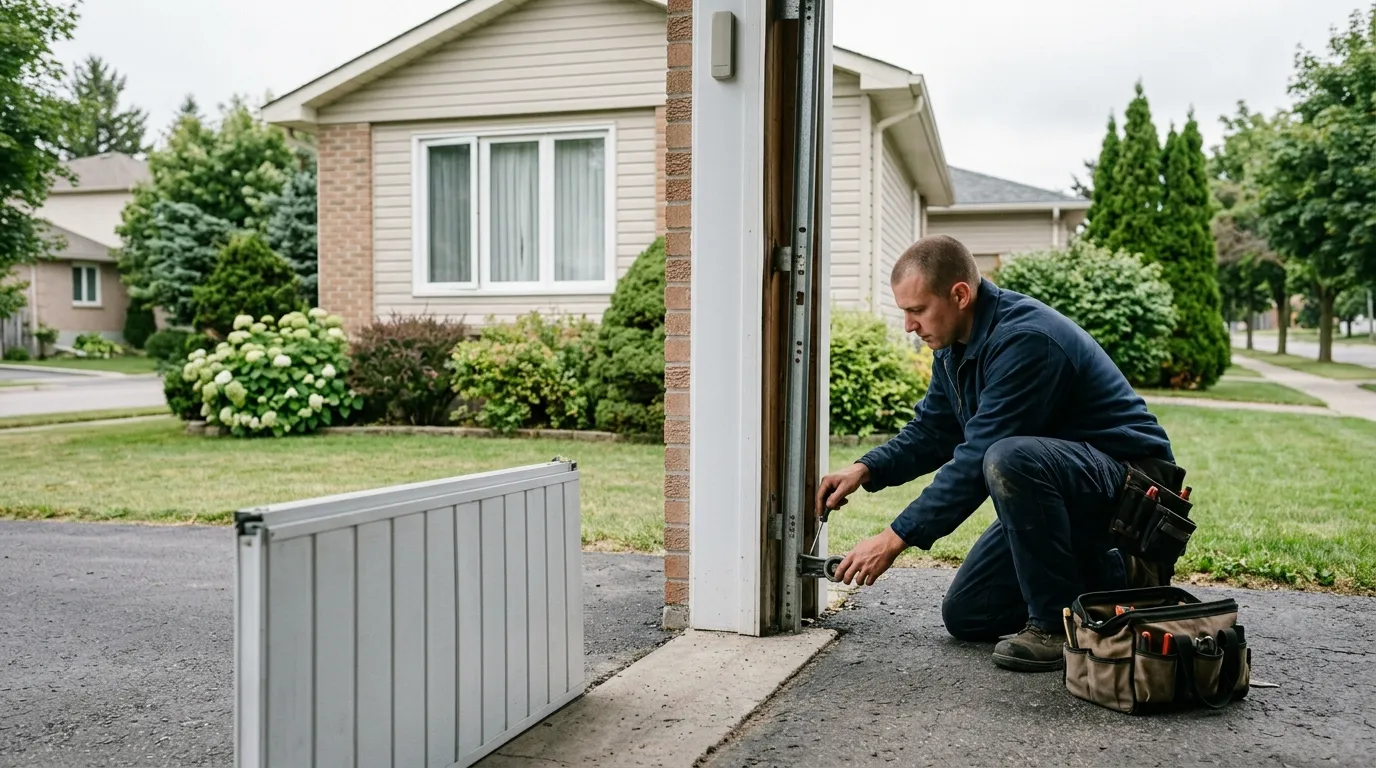
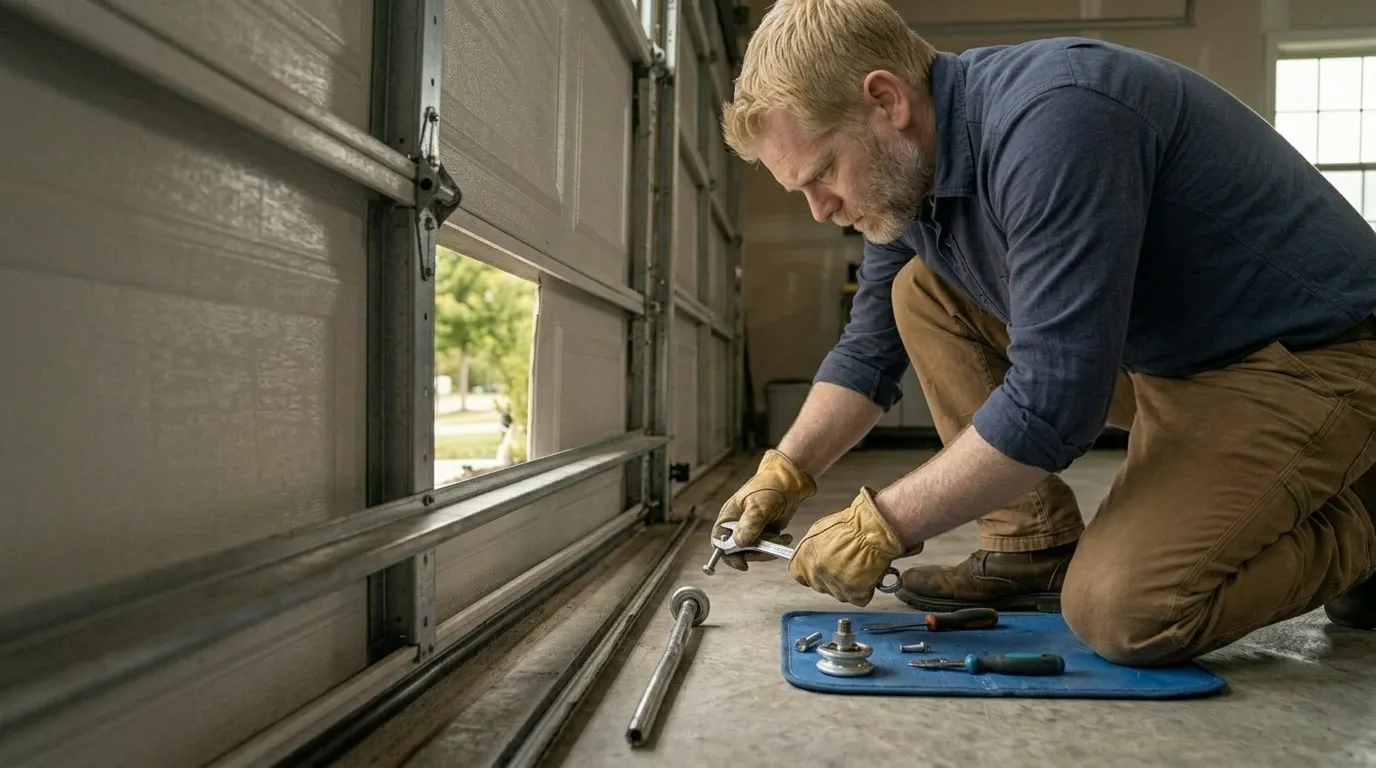
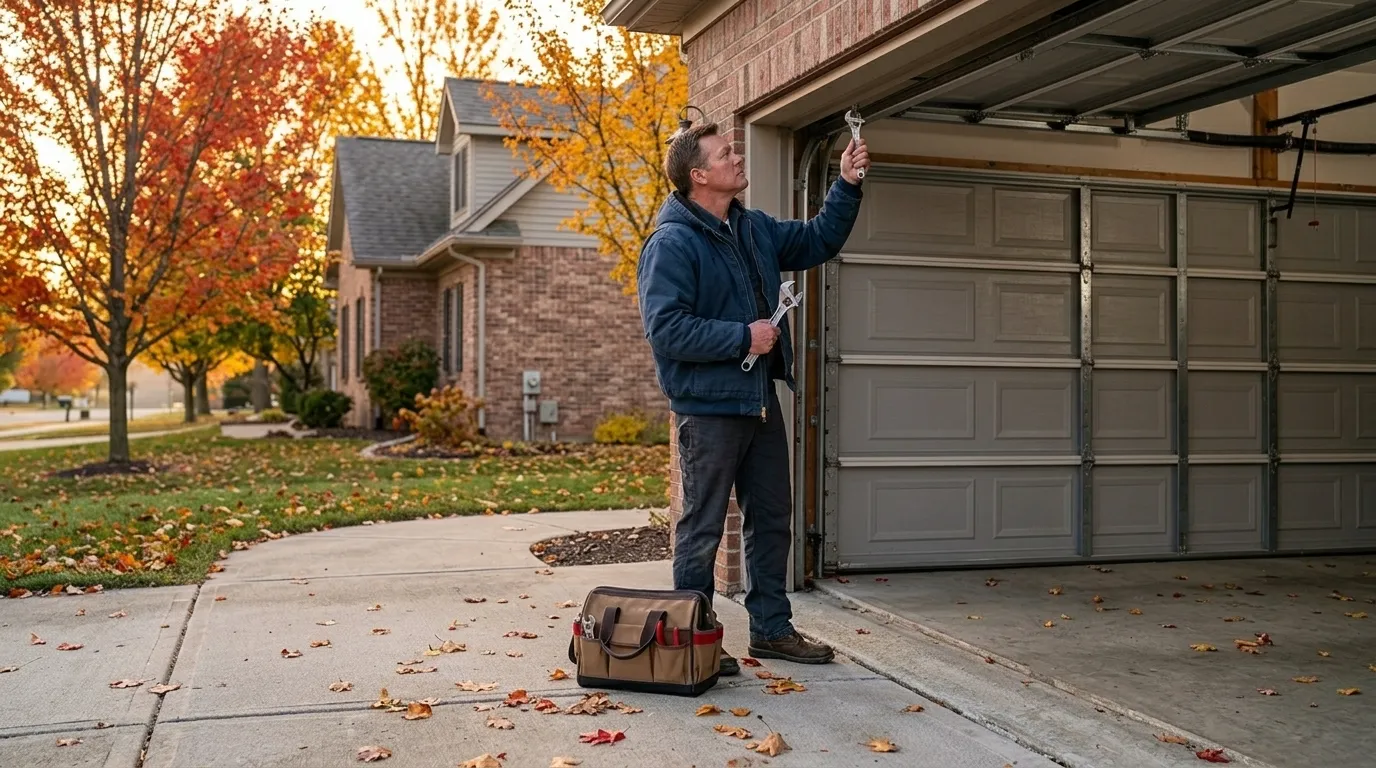
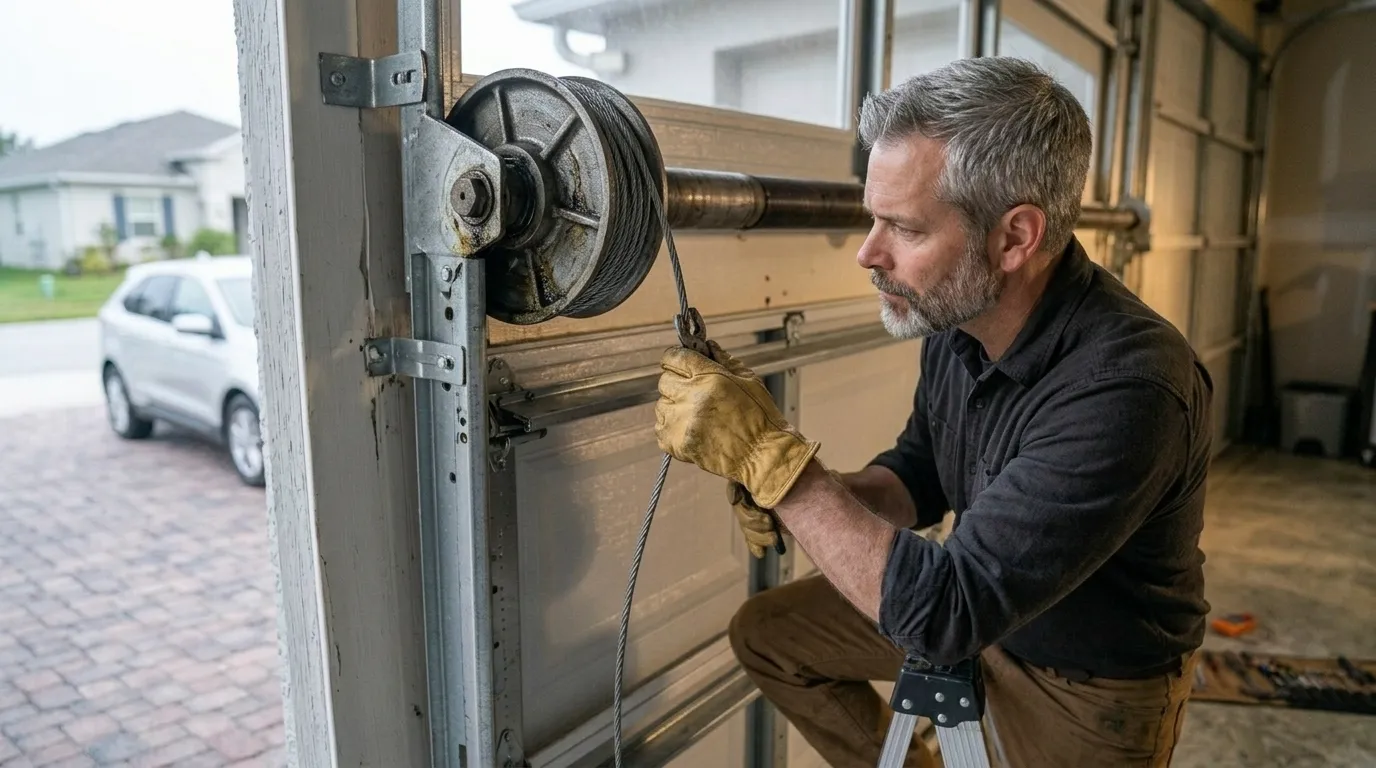
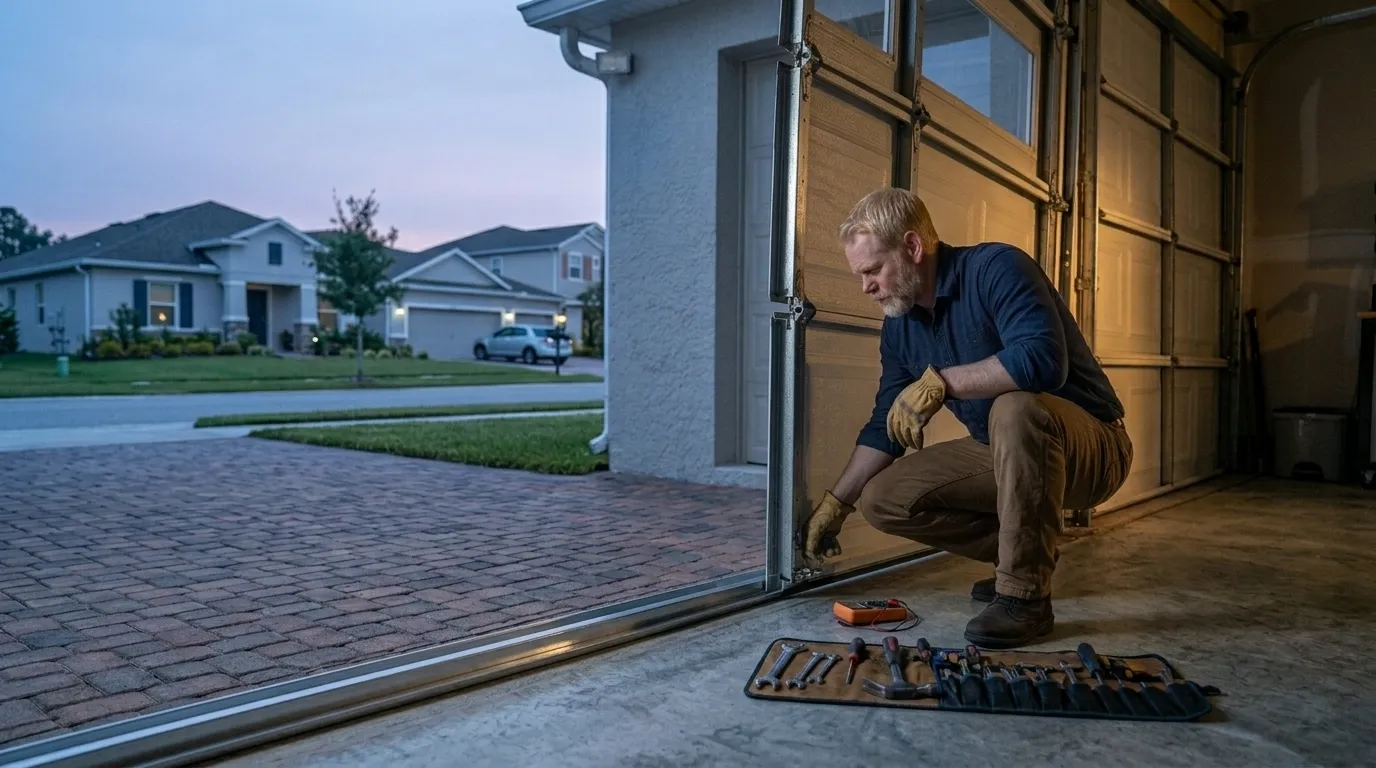
Kansas City sits in a severe cold climate band, and that shows up in our call volume every winter: torsion springs that snap in single-digit mornings, openers that strain against ice-stiffened weatherstripping, rollers that seize after sitting in an unheated garage for a week of cold snaps. Add in a housing stock that runs mostly 1951 to 2002, and you get a steady mix of aging torsion hardware, worn cables, and panels dented from decades of use. We get calls from Gladstone on doors that have had two openers in their lifetime, and calls from on newer builds where it's usually a sensor or a spring that's just worn out on schedule. The work is rarely exotic. It's springs, cables, rollers, tracks, and openers, on doors that have been doing their job for longer than most appliances in the house.