Serving Kansas City, MO & nearby
(816) 857-5830
Kansas City, MO

When Your Opener Quits or the Power Does, Here's What's Actually Going On

Why openers fail and power cuts strand cars in Kansas City's 1960s-70s housing stock, and what the cold-severe climate here does to both.

When Your Opener Quits or the Power Does, Here's What's Actually Going On

When It Stops Being a DIY Job

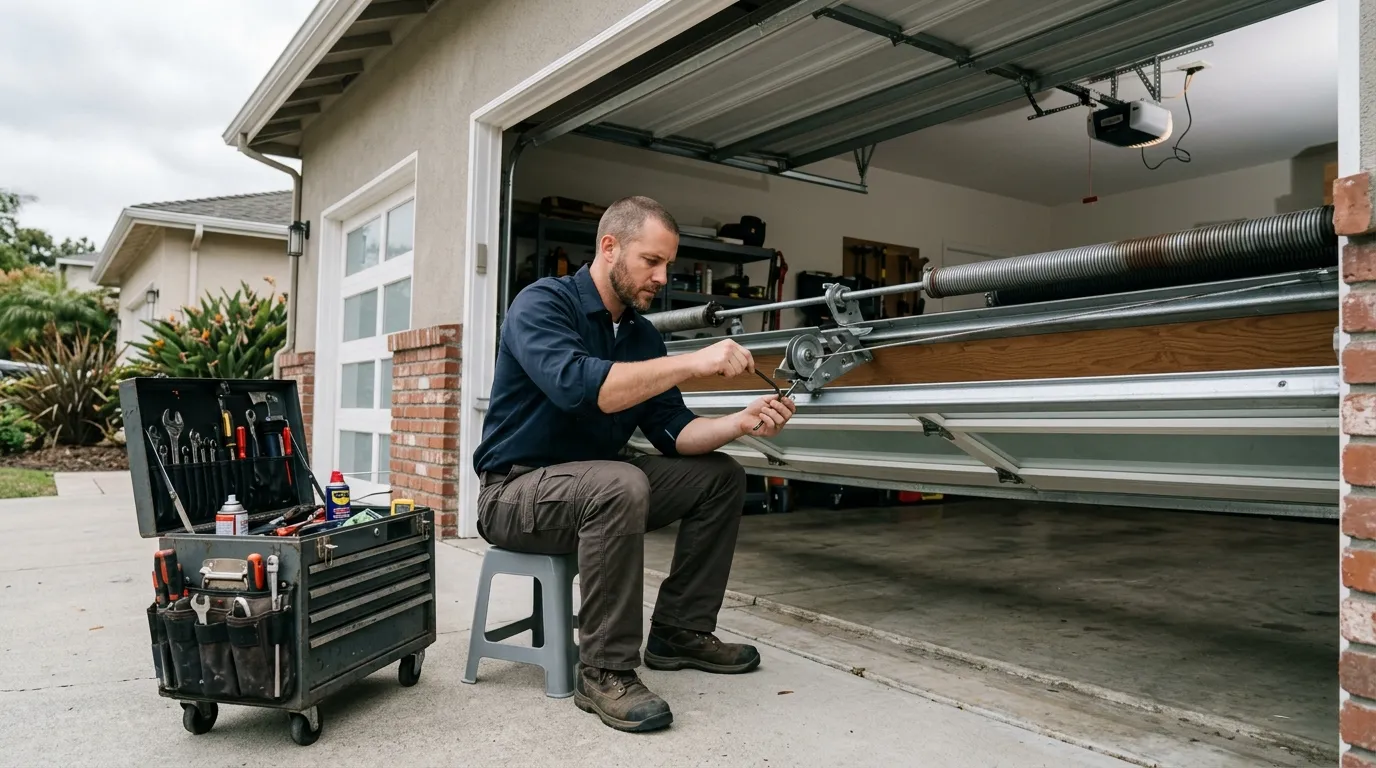
A garage door opener that clicks but doesn't move, or hums without lifting, is usually a five-minute diagnosis - but knowing when to stop turning wrenches yourself matters more than knowing how to start. If the door is heavy and off its springs, or if you're pulling the emergency release cord and the door still won't budge by hand, that's not an opener problem anymore. That's a spring or cable problem wearing an opener costume, and it can hurt you.

Across the area we cover, from houses near North Kansas City to the older stock further out toward Raytown and we see a specific version of this: an opener from the 1980s or 90s straining against a door and hardware from the same era, both original, both tired. Swapping the logic board or the sensor eyes is a fair weekend job. Diagnosing why a 1970s torsion setup is suddenly binding the rail is not - that takes hands that have opened that exact hardware before.

One honest limit: we don't recommend rewiring your own circuit to add a dedicated line for the opener. That's electrician work, not garage door work, and we'll say so if that's what your outage or breaker-tripping turns out to be.

What the Weather Here Does to It

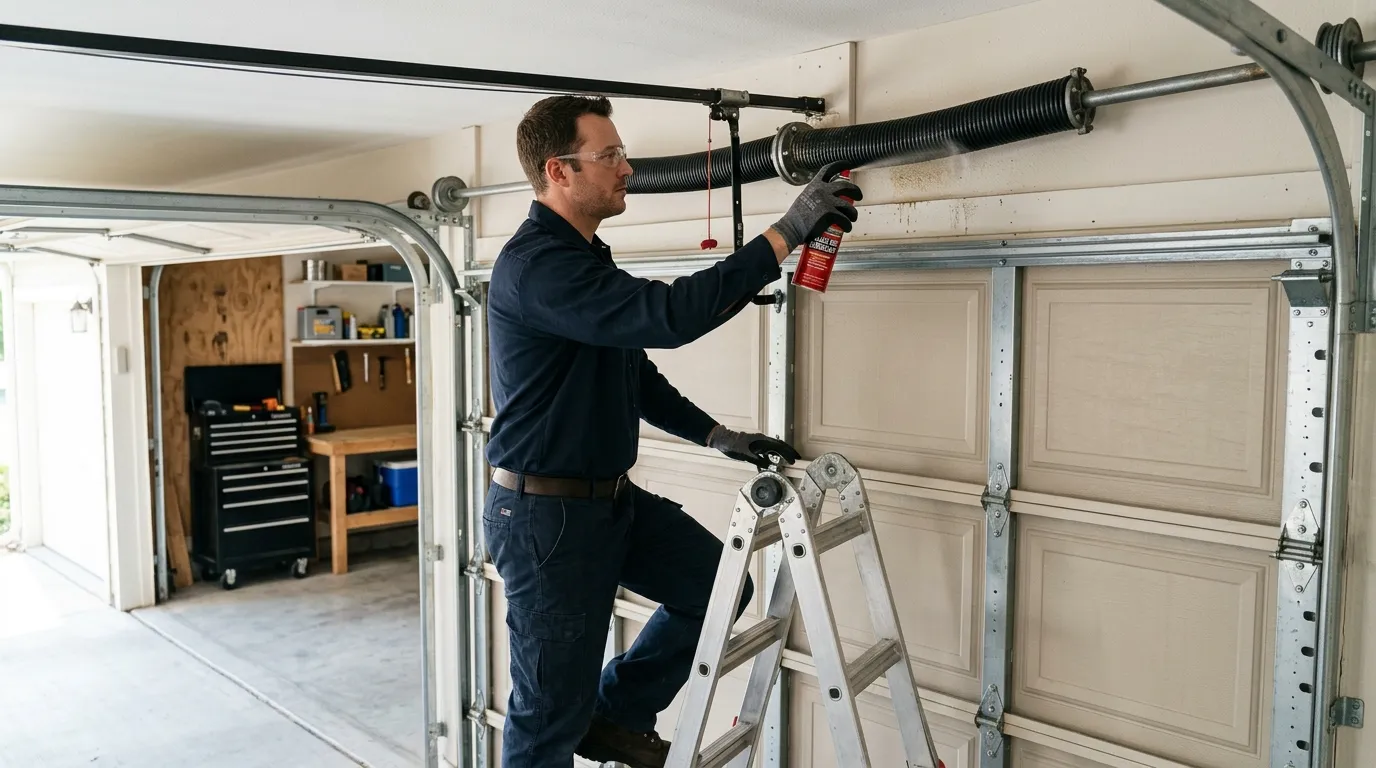
Kansas City sits in a cold-severe climate band, and that shows up in two separate ways for openers. First, cold makes chain and screw-drive openers louder and slower - the grease thickens, the chain drags, and a unit that sounded fine in October starts groaning by January. That's normal and rarely worth a service call on its own.

Second, and this is the one that catches people: when an ice storm takes the power out, the opener goes dead with it, and the only way out is the manual release cord hanging from the trolley. Most owners have never pulled it. On a door with springs that are already weak, pulling that cord means lifting the full weight of the door by hand - and if it's a double door, that's a two-person job at best.

We don't sell battery backup as a fix for every outage, since most outages here are short. But if your area loses power more than once a winter, a backup unit on the opener is a cheaper fix than a locked-in car at 6am.

The Situation

Most of the housing in this service area went up between 1951 and 2002, with the typical build year landing around 1973, and the bulk of it clusters in that 1960s-70s wave across the 18 named areas we work in. That matters for openers specifically: a house built in 1973 has almost certainly had its opener replaced once, maybe twice, but the garage's electrical circuit is often original - a single outlet, sometimes shared with an outdoor light or a chest freezer.

With 52,855 owner-occupied houses across this service area, that pattern repeats a lot. An opener draws more current than people expect, especially an older chain-drive unit working hard in cold weather, and a shared or undersized circuit trips more than it should. Owners usually call about "the opener dying" when the real story is a breaker that's been marginal since the Nixon administration.

We don't rewire panels. What we can do is tell you, when we're already in your garage, whether what we're looking at is an opener problem or an electrical one - that's a five-minute look, not an extra visit.

What Most People Get Wrong

The most common mistake: replacing the opener when the door itself is the problem. An opener straining against weak springs or a bent track will burn out fast no matter how new it is, and a new unit on old hardware just delays the real repair by a year.

The second mistake is about money, not mechanics. At a median household income of $69,680 across this area, most owners are weighing a repair - a new logic board, new sensor eyes, a capacitor - against a full opener replacement, and they often default to fixing the cheapest thing first. Sometimes that's right. But if the opener is original to a house built in the 1970s or 80s, you're not fixing a unit, you're patching one that's outlived its parts supply, and the next failure is a matter of when, not if.

The last one is the power cord itself: people assume the manual release is a last resort for emergencies only, then panic the first time they actually need it during a winter outage because they've never located it, let alone pulled it, before that morning.
How it works

From “it’s stuck” to “it’s fixed”

Tell us what’s wrong - Kansas City garage door service

Tell us what’s wrong

Describe the symptom - won’t open, loud bang, opener runs but the door won’t move.

On-site diagnosis - Kansas City garage door service

On-site diagnosis

A technician tests the door under power and by hand and finds what actually failed.

Clear, up-front plan - Kansas City garage door service

Clear, up-front plan

You get the fix that’s needed and what drives the cost - before any work starts.

Repaired & tested - Kansas City garage door service

Repaired & tested

The repair is done, the door is set true and tested, and the work area left clean.

Serving Kansas City, MO - tell us what your door’s doing and we’ll take it from there.

How we work

What to expect

Diagnosis first

Every visit starts by finding what actually failed - not a pre-written parts list.

The right part for the door

Springs and openers matched to the door’s weight and age, so the fix holds up.

Straight answers

When a repair makes more sense than a replacement - or the reverse - you hear it plainly.

Clean, careful work

Tension released safely, hardware set true, the door tested under power before we leave.

What we do

Garage Door Services

Repair and installation work for Kansas City homes and businesses.

Garage Door Repair in Kansas City

Garage Door Repair

Garage door repair in Kansas City for houses built 1951-2002, from broken springs to openers that fail in severe cold. Straight fixes, fair prices, no upsell.

Learn more
Garage Door Installation in Kansas City

Garage Door Installation

Most Kansas City homes date from 1951 to 2002, with openings built for lighter doors. Here's what installing a new door involves, costs, and why fit matters.

Learn more
Garage Door Service in Kansas City

Garage Door Service

Kansas City's 1960s-70s housing stock and severe cold winters wear out original springs and openers fast. Here's how that failure shows up and what fixing it involves.

Learn more
Opener Repair in Kansas City

Opener Repair

Opener repair for Kansas City homes built mostly between 1951 and 2002, where cold winters and aging drive systems wear out openers faster than newer suburbs.

Learn more
Cable Repair in Kansas City

Cable Repair

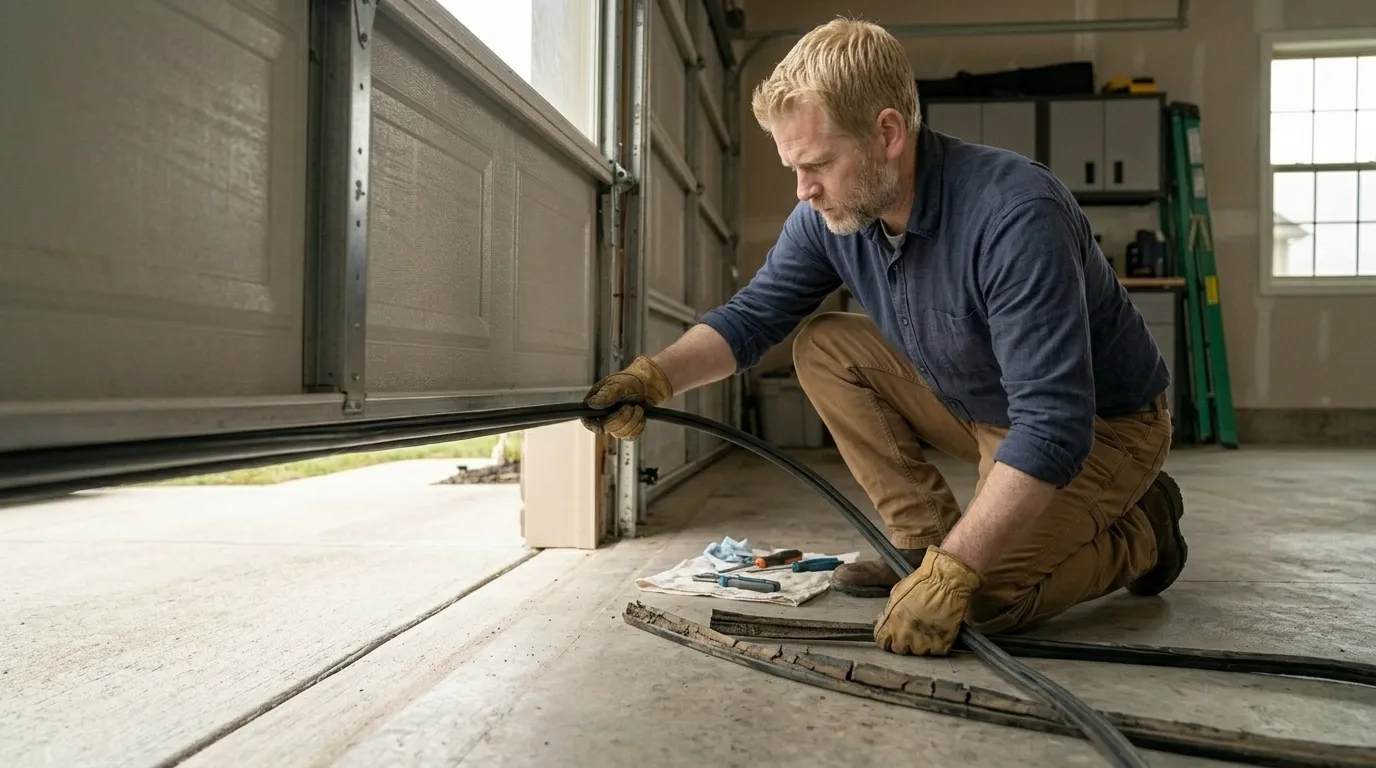
Broken or frayed garage door cables on Kansas City homes built between 1951 and 2002. We diagnose the cause and replace cables the right way, not just the symptom.

Learn more
Off-Track Repair in Kansas City

Off-Track Repair

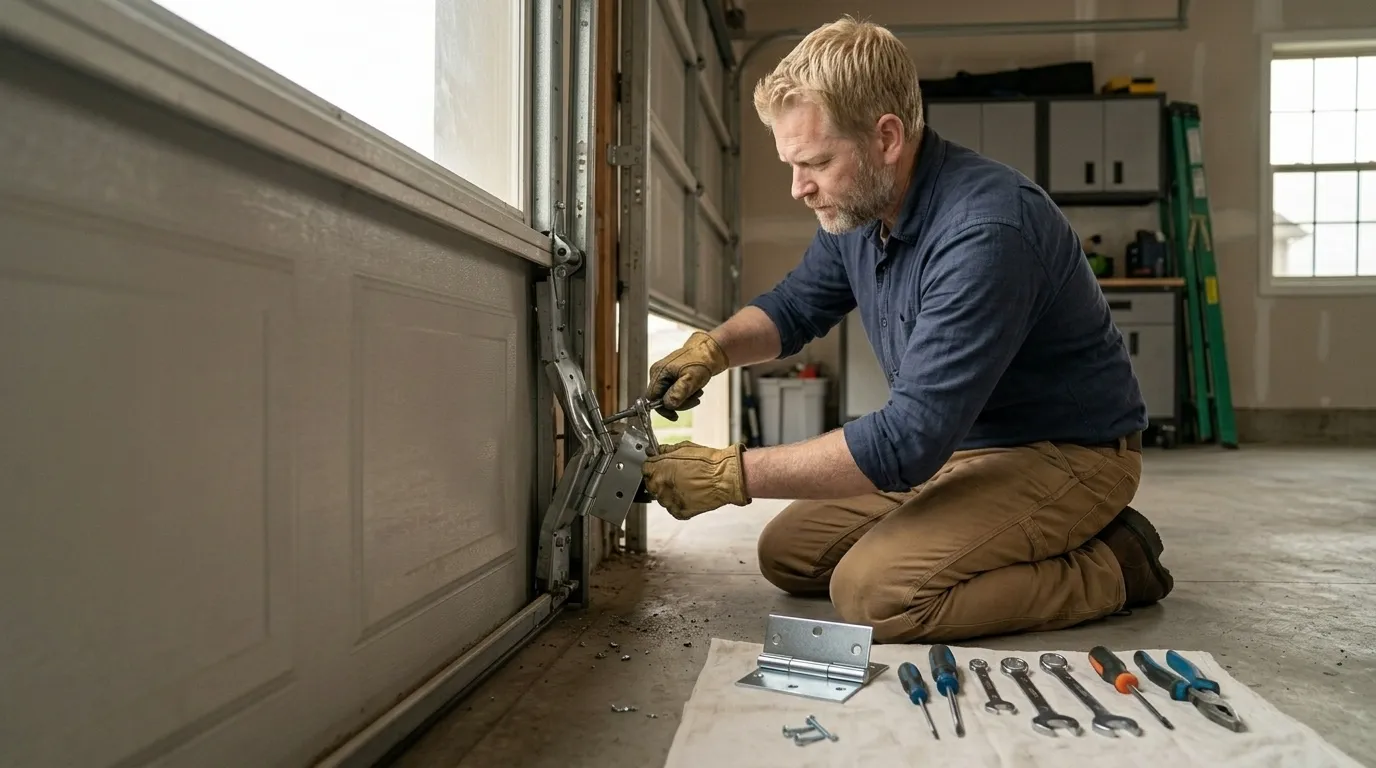
Off-track doors are common in Kansas City's 1960s-70s housing stock and cold winters. See how the fix works and why it happens here more than most places.

Learn more
Commercial Garage Door in Kansas City

Commercial Garage Door

Commercial garage door repair for warehouses, shops, and industrial buildings across Kansas City, tied to the metro's building stock and cold-severe winters.

Learn more
Emergency Garage Door Repair in Kansas City

Emergency Garage Door Repair

Broken spring or stuck door at 6am? We fix emergency garage door failures across Kansas City's older housing stock, built mostly 1951-2002, in cold-weather conditions.

Learn more
Questions

Frequently asked

Straight answers about garage door repair in Kansas City. Still unsure? Ask us directly.

Why does my opener struggle more in winter here?

Cold thickens the grease in the drive mechanism and makes chain and screw-drive openers work harder to move the same door. In Kansas City's cold-severe climate, that's normal seasonal drag, not a failure - but if it's also straining against old springs, cold makes that worse too, and that combination is what actually breaks.

What happens to my garage door if the power goes out?

The opener goes dead, and the door is locked to the trolley unless you pull the manual release cord, usually a red handle hanging near the rail. After that, you're lifting the door by hand. If the springs are weak, that's heavy, and on a double door it's often a two-person lift.

Is it worth adding battery backup to my opener?

Depends on how often your area loses power. If outages are rare and short, it's not essential. If you're in a spot that loses power more than once a winter, a backup unit is a reasonable one-time cost against being locked out or stuck driving around a dead door.

Why does my breaker trip when the opener runs?

In a lot of the 1960s-70s housing stock here, garage circuits were wired light - sometimes shared with an outdoor outlet or light fixture. An opener pulling extra current in cold weather can push a marginal circuit over the edge. That's an electrical fix, not something we rewire, but we can tell you if that's what's going on.

Ready to get your garage door sorted?

Tell us what it’s doing and where you are in Kansas City - we’ll take it from there.

Request a QuoteCall