Serving Kansas City, MO & nearby
(816) 857-5830
Kansas City, MO

When to Fix and When to Replace a Kansas City Garage Door

Kansas City homes mostly date to the 1960s-70s boom, and cold winters wear original hardware fast. Here's how to tell repair from replacement on that door.

When to Fix and When to Replace a Kansas City Garage Door

When It Stops Being a DIY Job

Most of the housing stock around Kansas City went up between 1951 and 2002, with the bulk of it clustered in the 1960s and 70s across the older neighborhoods on both sides of the river. That means a lot of doors still running on the hardware they shipped with - steel torsion springs rated for a specific cycle count, galvanized cable that's been through fifty winters, and rollers nobody makes replacement stems for anymore. Tightening a hinge or lubricating a track is fine to do yourself. Pulling a wound torsion spring, or working on a door where the cable has started to fray at the drum, is not. The spring is under enough tension to break a bone if it lets go wrong, and on a door this old you often can't tell how much life is left in it just by looking. If your door was installed anywhere near when the house was built - and in this area that's frequently the case - assume the original spring is past its rated life and treat any spring job as a call, not a Saturday project. Track alignment on an older jamb is another one: shims and brackets settle over decades, and forcing a door back onto a track that's shifted just cracks a panel.

What the Weather Here Does to It

Kansas City sits in a severe cold climate band, and that matters more for a door built in the 1970s than one installed last year. Steel contracts in hard cold, and on an original torsion spring that's already fatigued, a hard freeze is often what finally snaps it - which is why late-December and January calls skew toward broken springs, not openers. Weatherstripping on a door this old has usually hardened and cracked, so cold air pushes straight through the bottom seal and around the frame. On uninsulated single-layer steel panels, common in that era, the temperature swing between the garage and outside also stresses the panel seams over the years, and you'll see rust starting at the bottom corners first. None of that means the door is done. It means the seals and the spring wear out faster here than they would in a milder climate, and a door that looks fine in October can fail the first cold snap. If your panels are original steel and single-layer, insulating or replacing the weatherstrip before winter is cheap insurance against a bigger repair once the cold sets in.

The Situation

Across the service area there are roughly 103,000 households and about 52,855 owner-occupied houses, and a large share of them sit in that 1951-2002 build window - meaning a huge number of garage doors out there are original or close to it. With median household income around $69,680 in this area, most owners we talk to want a straight answer on repair versus replace, not an upsell. A door from the 60s or 70s with a solid steel frame and no rust-through at the bottom panel is usually worth fixing: new springs, new rollers, new cable, and it'll run another decade. A door with rusted-out bottom corners, a warped track from years of settling, or an opener that predates modern safety reversal sensors is a different conversation - parts for openers that old are getting hard to source, and that's a real limitation on our end, not a sales pitch. We tell people straight when a part isn't worth chasing down anymore.

What Most People Get Wrong

The most common mistake we see on older Kansas City houses is replacing the opener and assuming that fixes the door. If the door is from the same era as the house - built anywhere in that 1951-2002 stretch - the opener failing is often a symptom, not the problem. A worn torsion spring makes the opener work harder to lift the door, which burns out the opener's gears faster than normal. Swap the opener without addressing the spring, and the new one wears out on the same schedule the old one did. The other mistake is assuming a door needs full replacement because it's noisy. A lot of the noise on original 1960s and 70s hardware comes from dry, pitted rollers and a track that's never been lubricated, not from the panel or frame itself. Given how much of this area's housing sits in that build window, we'd rather diagnose which part is actually failing before quoting a full replacement - half the time the frame and panels are still sound and it's the moving parts that need attention.

How it works

From “it’s stuck” to “it’s fixed”

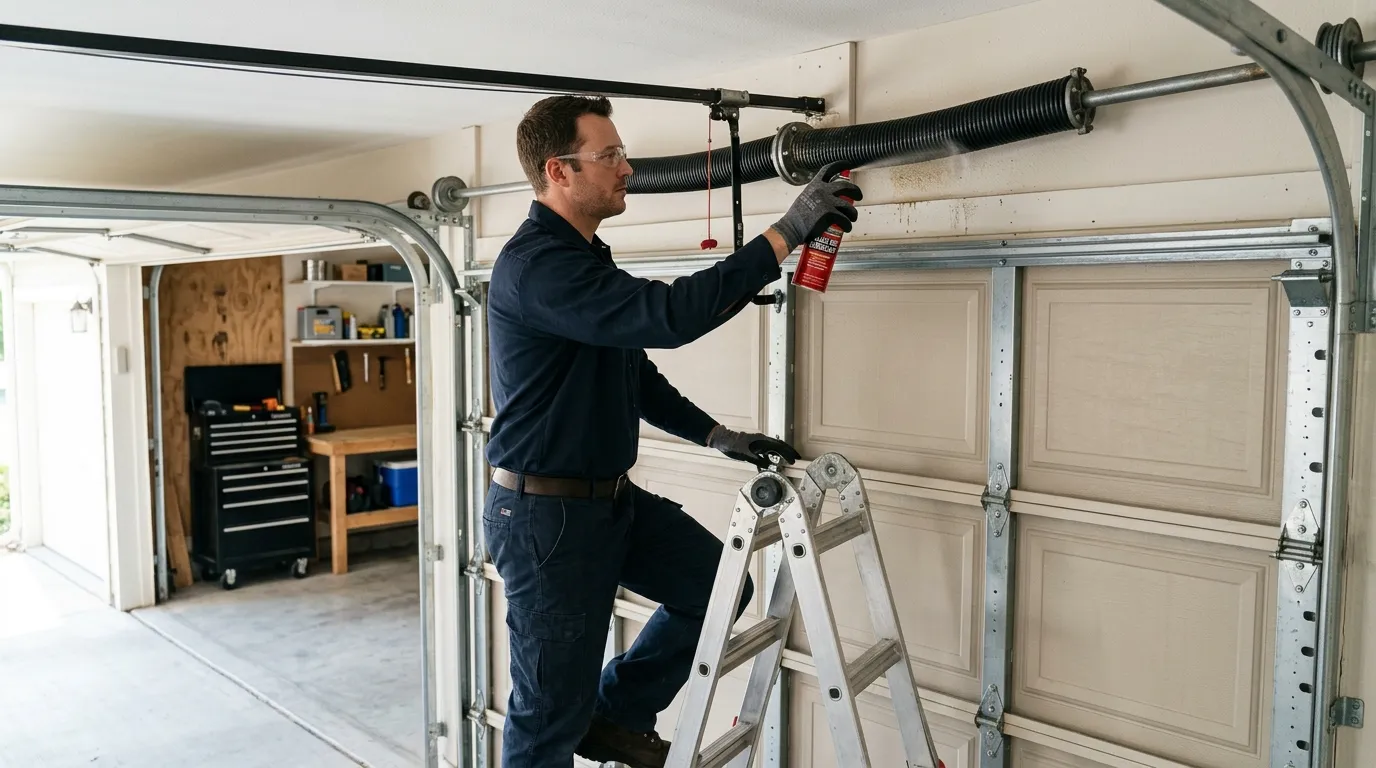
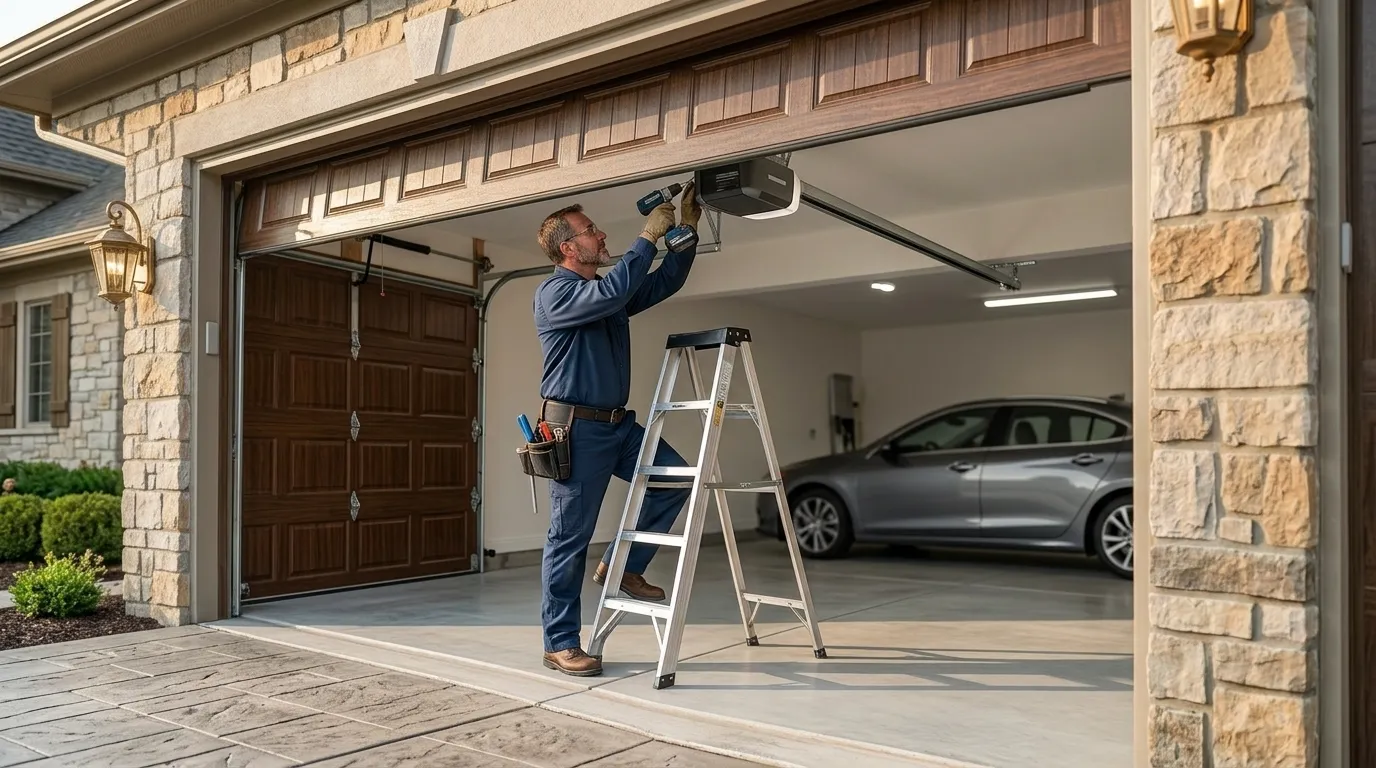
Tell us what’s wrong - Kansas City garage door service

Tell us what’s wrong

Describe the symptom - won’t open, loud bang, opener runs but the door won’t move.

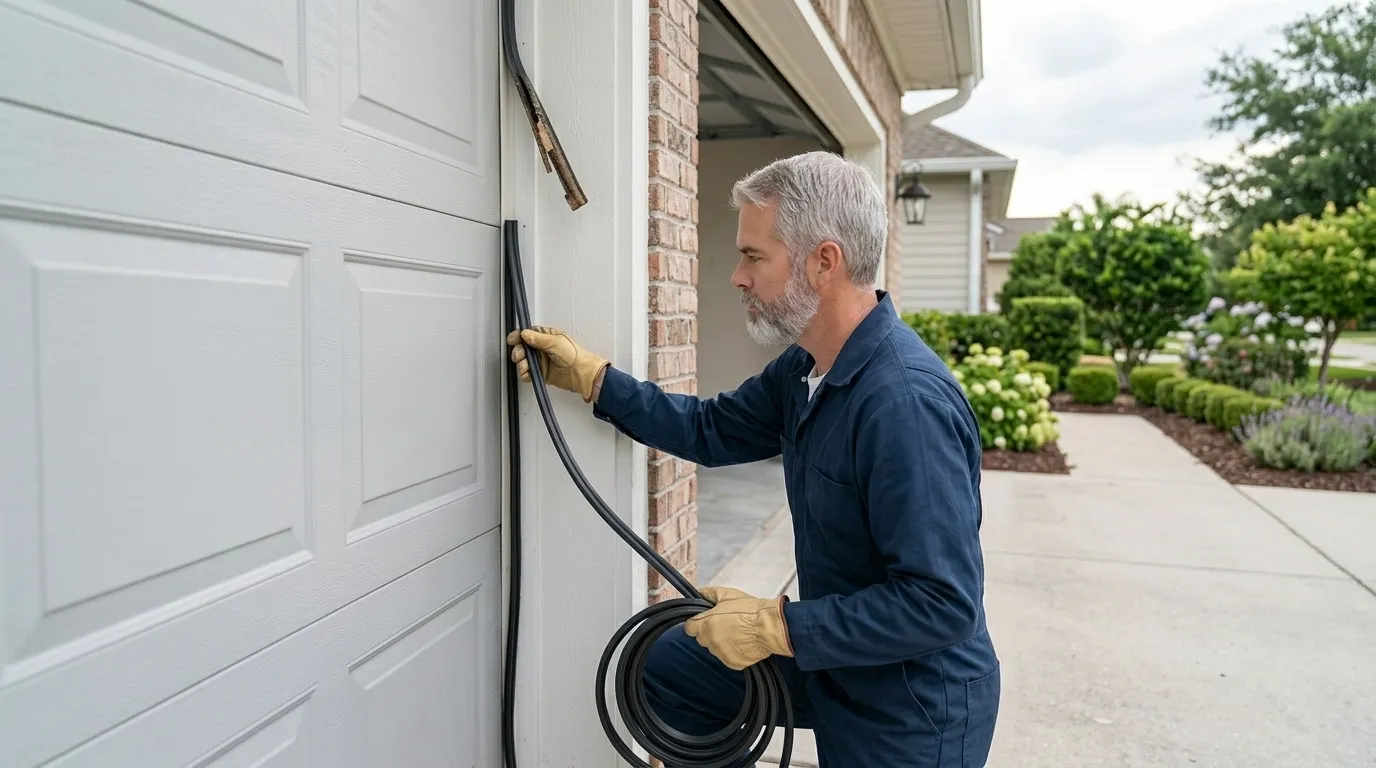
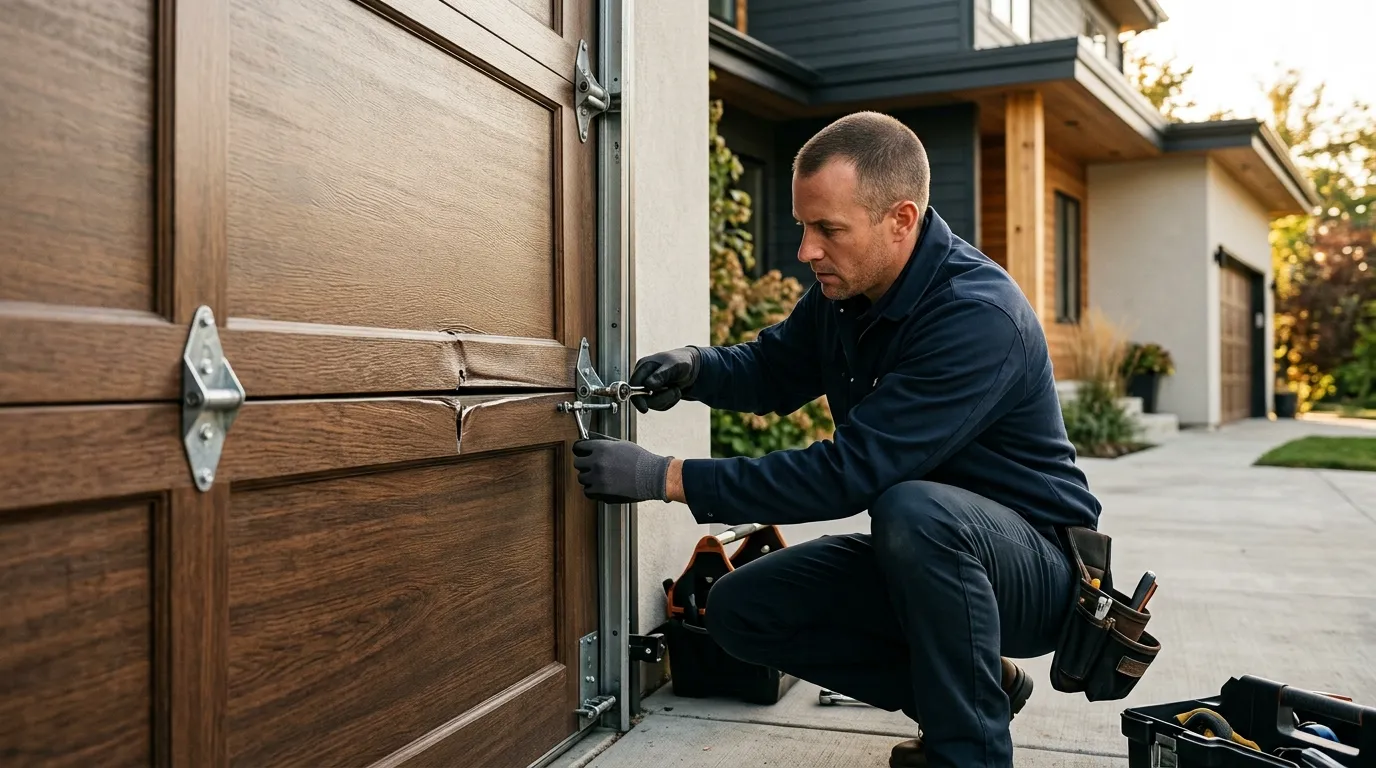
On-site diagnosis - Kansas City garage door service

On-site diagnosis

A technician tests the door under power and by hand and finds what actually failed.

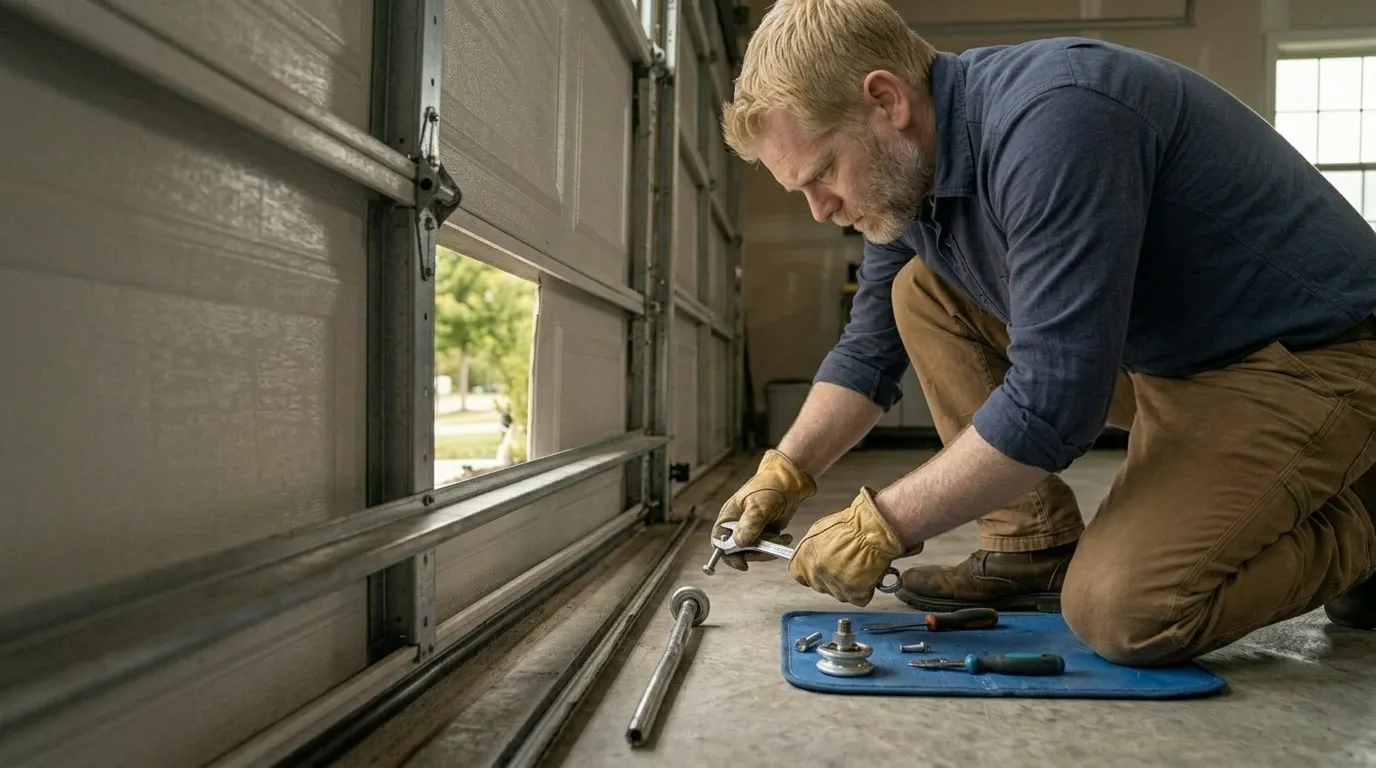
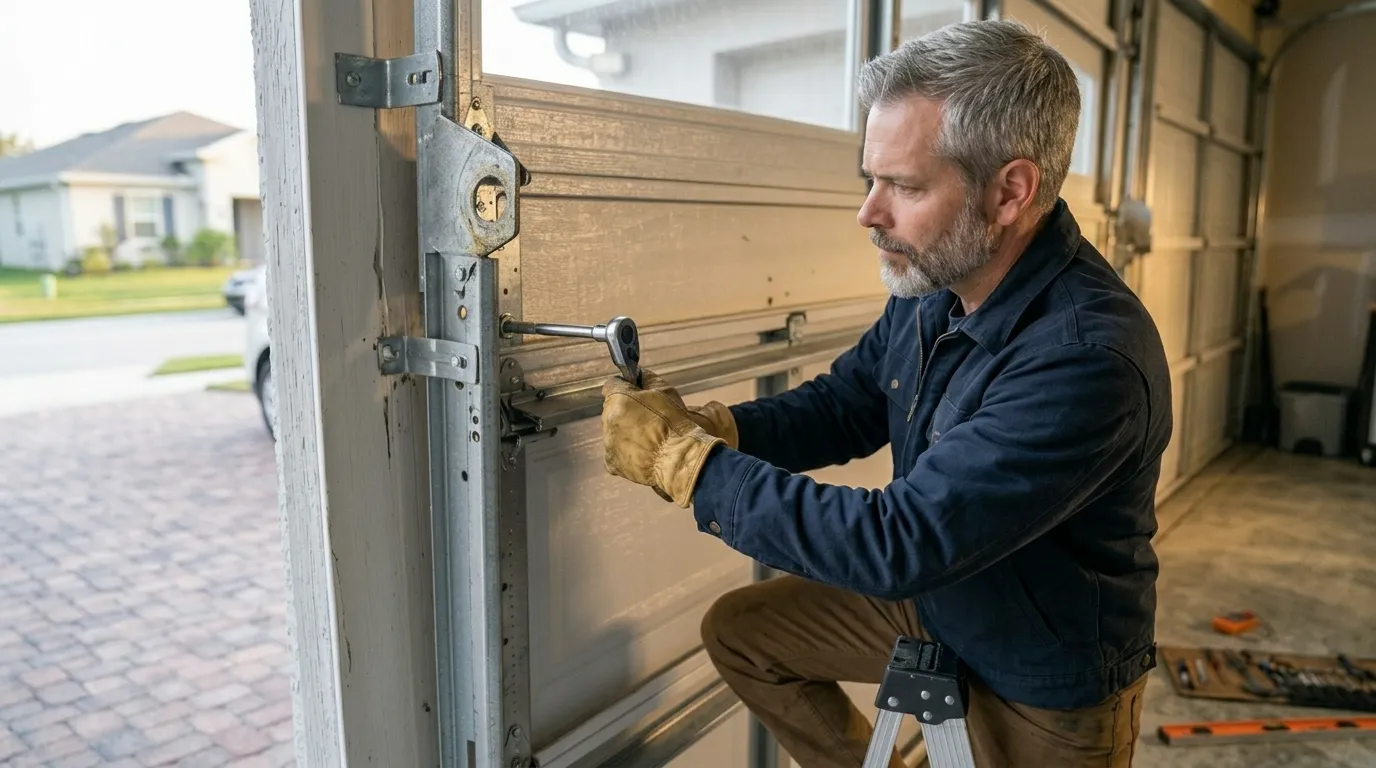
Clear, up-front plan - Kansas City garage door service

Clear, up-front plan

You get the fix that’s needed and what drives the cost - before any work starts.

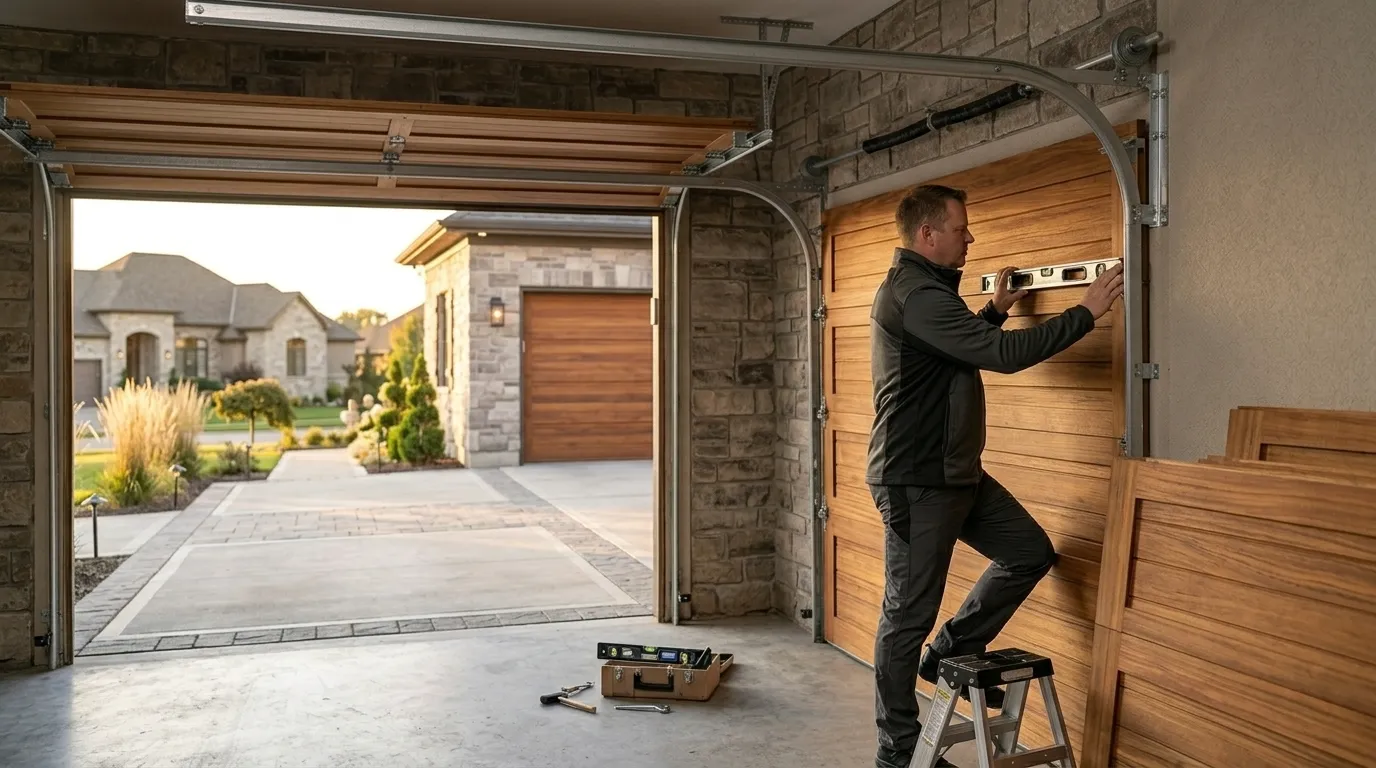
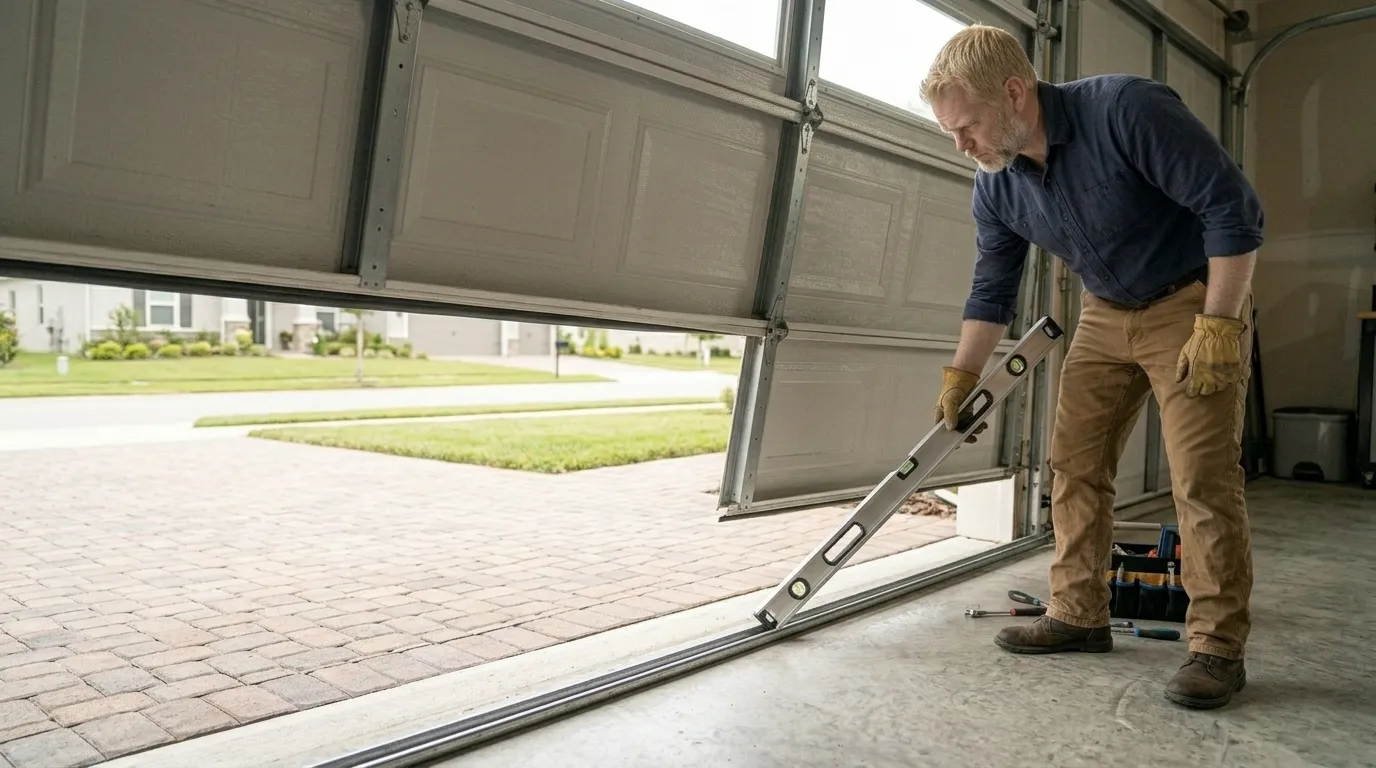
Repaired & tested - Kansas City garage door service

Repaired & tested

The repair is done, the door is set true and tested, and the work area left clean.

Serving Kansas City, MO - tell us what your door’s doing and we’ll take it from there.

How we work

What to expect

Diagnosis first

Every visit starts by finding what actually failed - not a pre-written parts list.

The right part for the door

Springs and openers matched to the door’s weight and age, so the fix holds up.

Straight answers

When a repair makes more sense than a replacement - or the reverse - you hear it plainly.

Clean, careful work

Tension released safely, hardware set true, the door tested under power before we leave.

What we do

Garage Door Services

Repair and installation work for Kansas City homes and businesses.

Garage Door Repair in Kansas City

Garage Door Repair

Garage door repair in Kansas City for houses built 1951-2002, from broken springs to openers that fail in severe cold. Straight fixes, fair prices, no upsell.

Learn more
Garage Door Installation in Kansas City

Garage Door Installation

Most Kansas City homes date from 1951 to 2002, with openings built for lighter doors. Here's what installing a new door involves, costs, and why fit matters.

Learn more
Garage Door Service in Kansas City

Garage Door Service

Kansas City's 1960s-70s housing stock and severe cold winters wear out original springs and openers fast. Here's how that failure shows up and what fixing it involves.

Learn more
Opener Repair in Kansas City

Opener Repair

Opener repair for Kansas City homes built mostly between 1951 and 2002, where cold winters and aging drive systems wear out openers faster than newer suburbs.

Learn more
Cable Repair in Kansas City

Cable Repair

Broken or frayed garage door cables on Kansas City homes built between 1951 and 2002. We diagnose the cause and replace cables the right way, not just the symptom.

Learn more
Off-Track Repair in Kansas City

Off-Track Repair

Off-track doors are common in Kansas City's 1960s-70s housing stock and cold winters. See how the fix works and why it happens here more than most places.

Learn more
Commercial Garage Door in Kansas City

Commercial Garage Door

Commercial garage door repair for warehouses, shops, and industrial buildings across Kansas City, tied to the metro's building stock and cold-severe winters.

Learn more
Emergency Garage Door Repair in Kansas City

Emergency Garage Door Repair

Broken spring or stuck door at 6am? We fix emergency garage door failures across Kansas City's older housing stock, built mostly 1951-2002, in cold-weather conditions.

Learn more
Questions

Frequently asked

Straight answers about garage door repair in Kansas City. Still unsure? Ask us directly.

Is it worth fixing a garage door on a house built in the 1960s or 70s?

Usually, yes, if the frame and panels aren't rusted through. A lot of Kansas City's housing sits in that build window, and the steel frames from that era typically outlast their original springs and rollers. Replacing the wear parts on a sound frame is often cheaper than a full replacement and gets you another decade of use.

Why do garage doors break more in winter here?

Kansas City sits in a severe cold climate band, and steel torsion springs that are already fatigued from age tend to fail during hard freezes. The cold makes brittle metal snap under tension it might have handled in milder weather. That's why broken-spring calls spike in the coldest stretch of the year.

Should I replace the opener or the whole door?

If the door itself - frame, panels, track - is still solid, replacing just the opener usually makes sense. But on an older door, a worn spring or track often causes the opener to fail early, so replacing the opener alone can just repeat the problem. It's worth having both checked together.

Ready to get your garage door sorted?

Tell us what it’s doing and where you are in Kansas City - we’ll take it from there.

Request a QuoteCall