
What Was Built Here
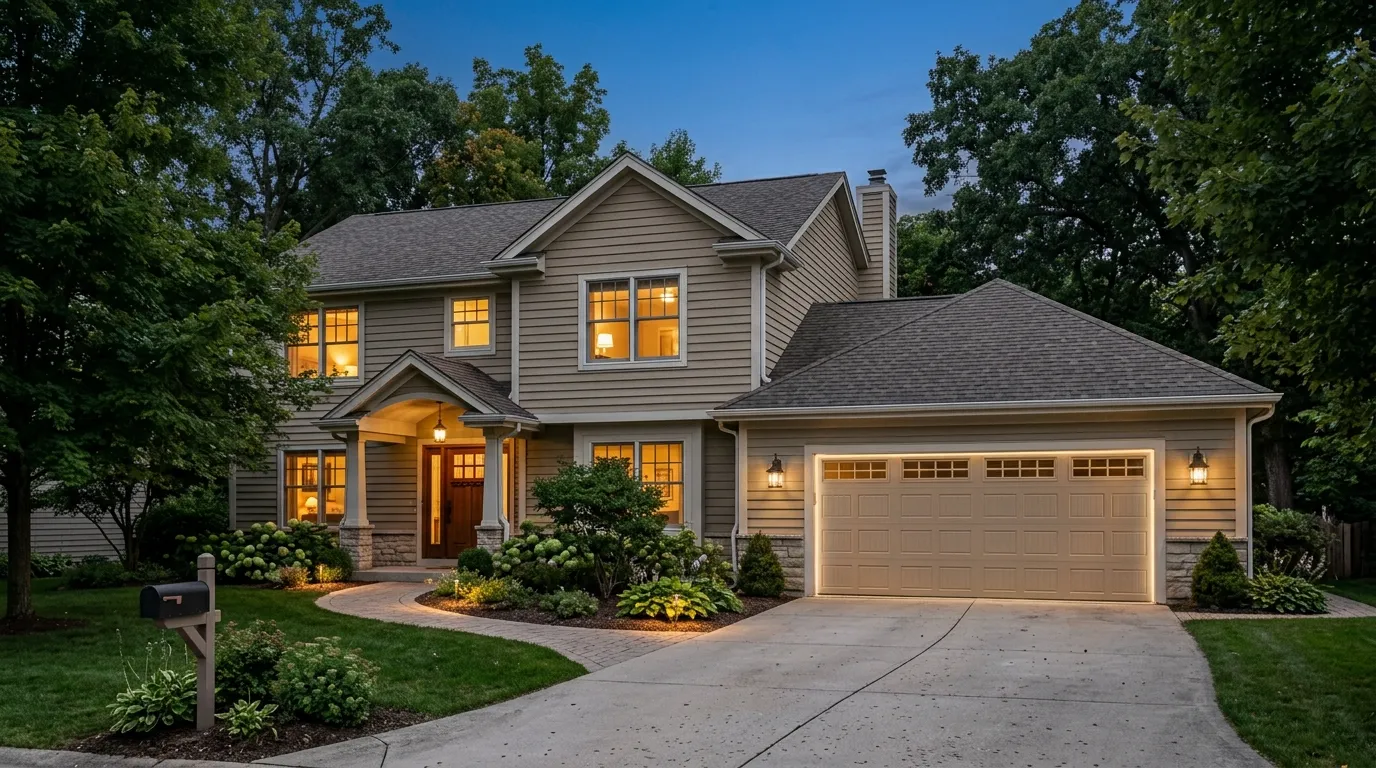
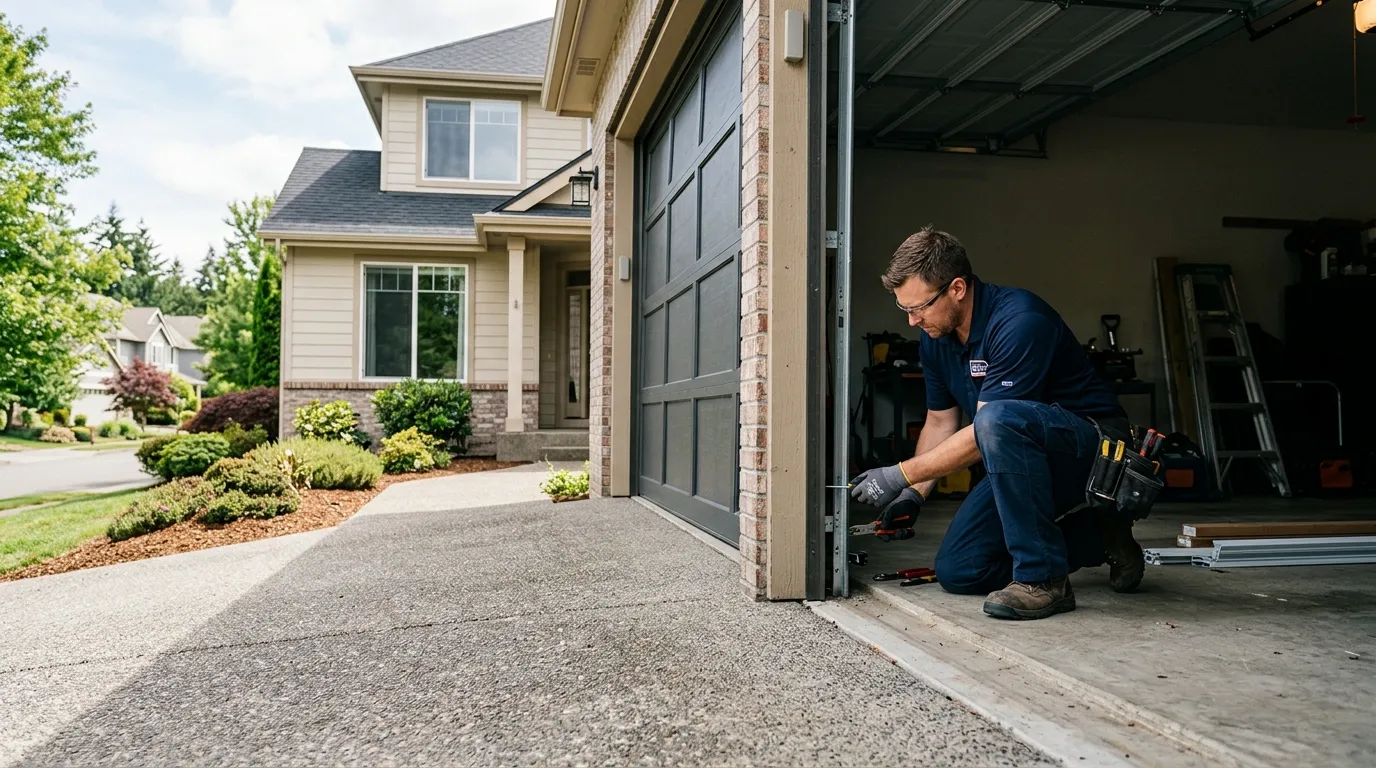
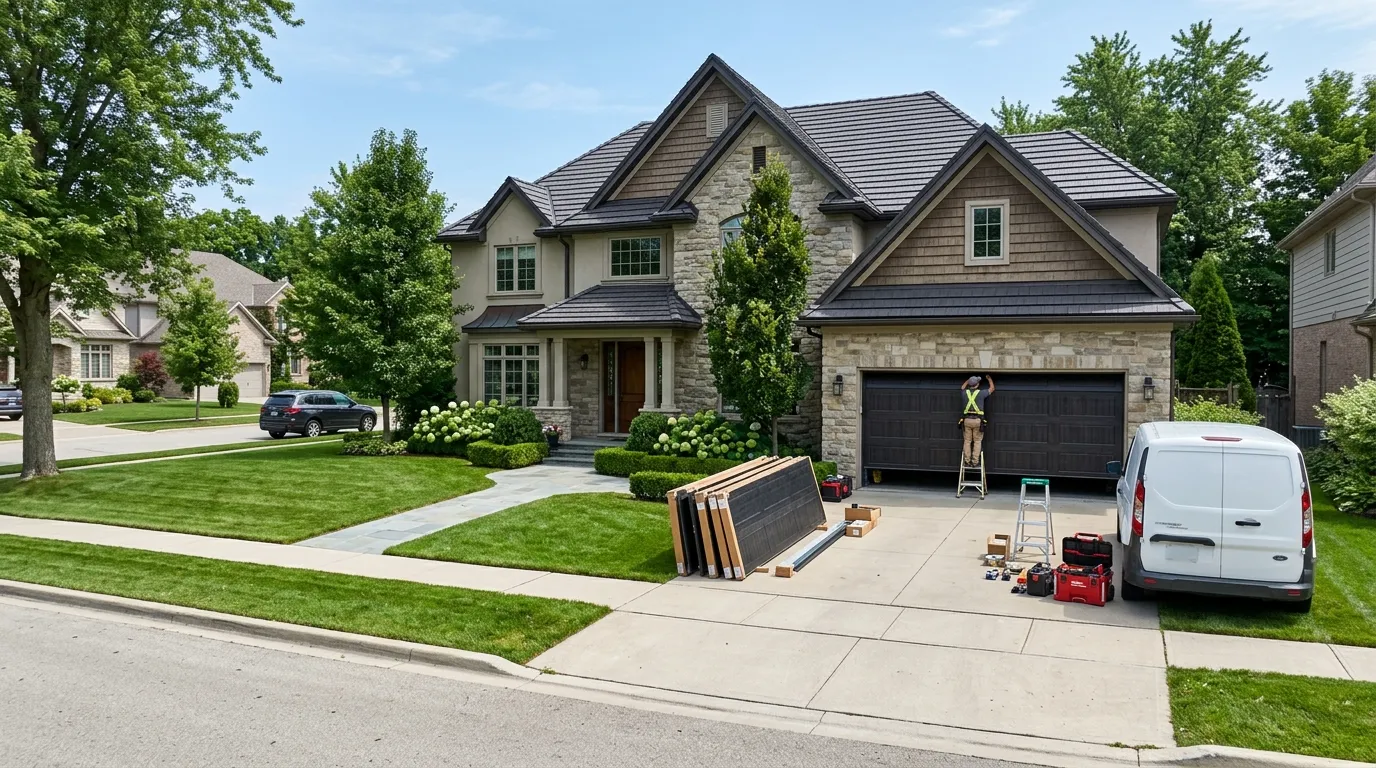
Gladstone sits six miles north of Kansas City, and the houses here cluster tightly around a median build year of 1972 - a year earlier than the 1973 median for the wider service area, which itself runs from 1951 up through 2002 across eighteen named neighborhoods. That narrow band matters. It means Gladstone isn't a mix of teardown-era ranches next to brand-new subdivisions; it's block after block of homes framed and finished within a few years of each other, most of them during the same run of 1960s-70s construction that shaped this whole side of Kansas City. With 11,796 households in Gladstone and a median income of $72,134, this reads as a stable, established residential area rather than new-build territory. When a door here fails, it's very often failing for the same reason the house next door's door failed five years ago - the original hardware simply aging out on the same clock.
What We Will Not Take On
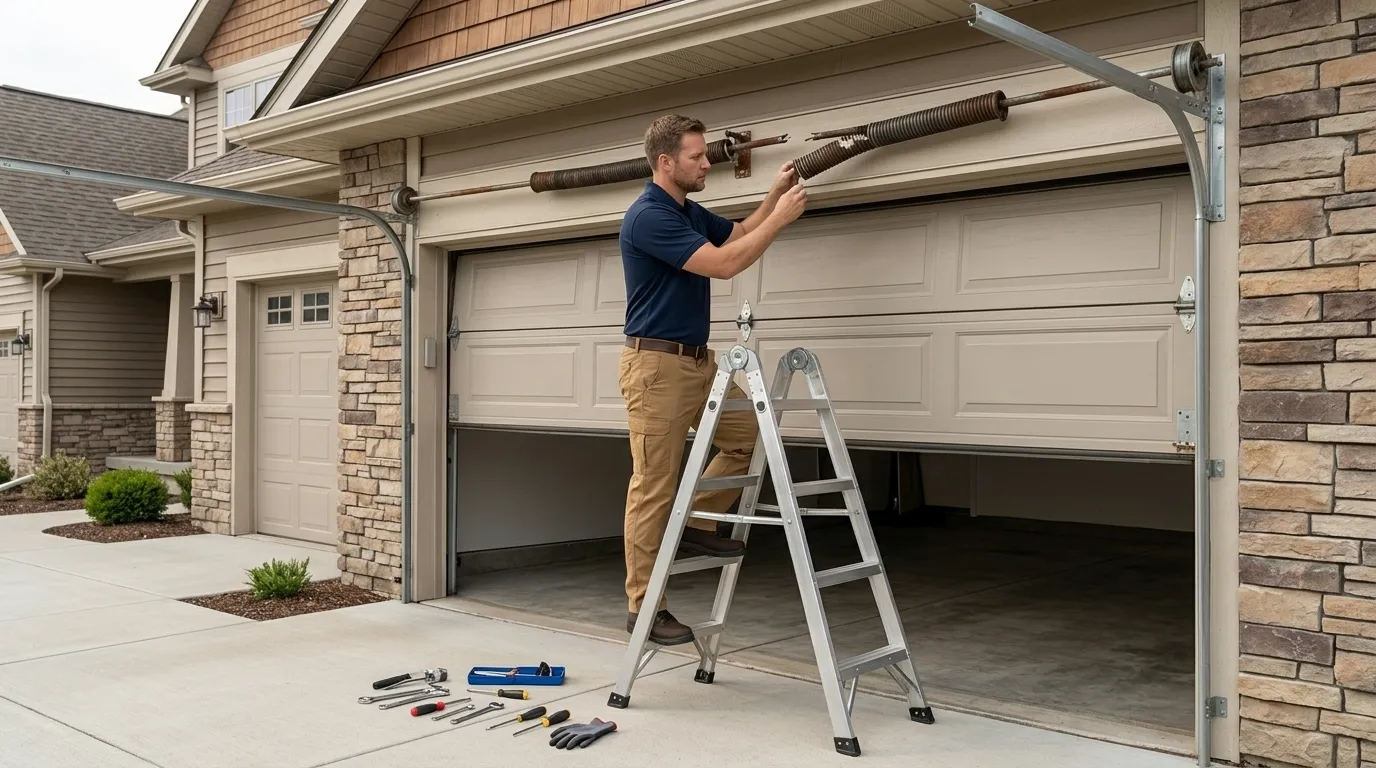
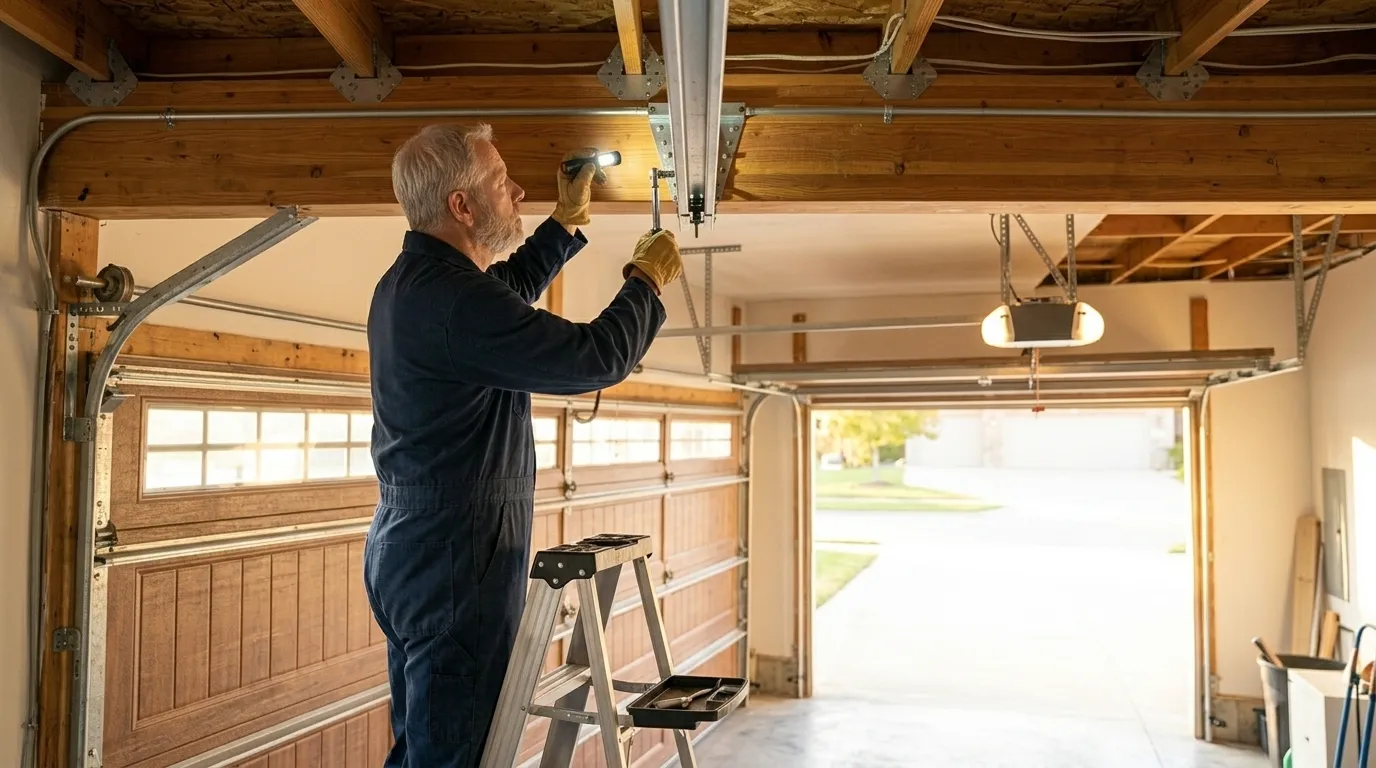
We don't do structural framing repair - if the header above the opening has shifted or rotted and the door is racking because of that, that's carpentry work, not garage door work, and we'll tell you so instead of patching around it. We also won't try to source obsolete extension spring hardware from a custom or architect-built door if the manufacturer stopped making the part; on those we'll tell you honestly when replacement makes more sense than chasing a discontinued piece. And because we run out of Kansas City rather than keeping a stocked location in Gladstone, an unusual part sometimes means a return trip once it's in, not a same-visit fix.
How Soon We Can Come Out
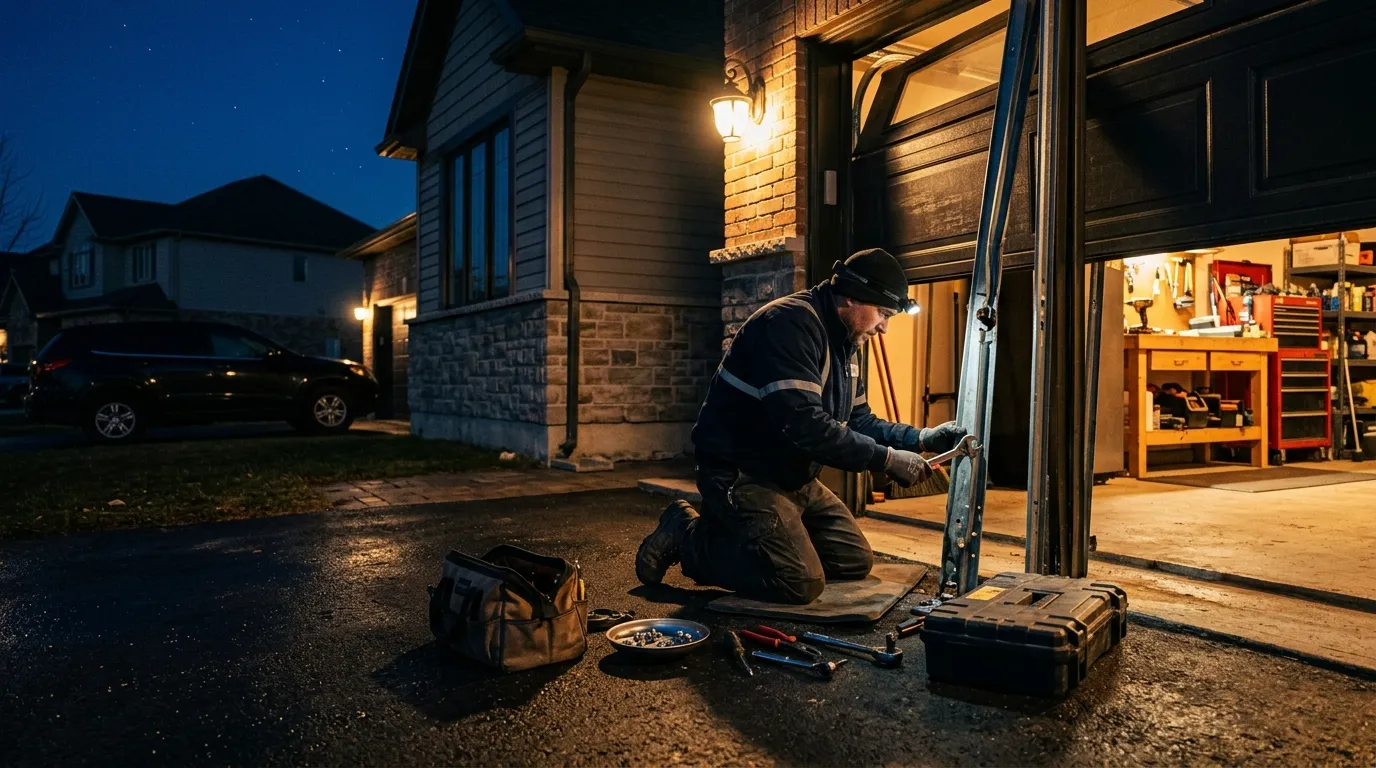
We travel the six miles from Kansas City into Gladstone as part of our regular route, not as a special trip, so getting a truck out isn't the issue - matching the right spring or panel to a door built to early-1970s specs is what takes the extra minute on the phone. We'll ask the age of the house and, if you know it, whether the door's original, because that tells us more about what we're walking into than the symptom does. Winters here fall into the severe-cold band for this region, and cold snaps are when original torsion springs from this era are most likely to finally let go, so call volume tends to track the thermometer more than the calendar.