What It Costs
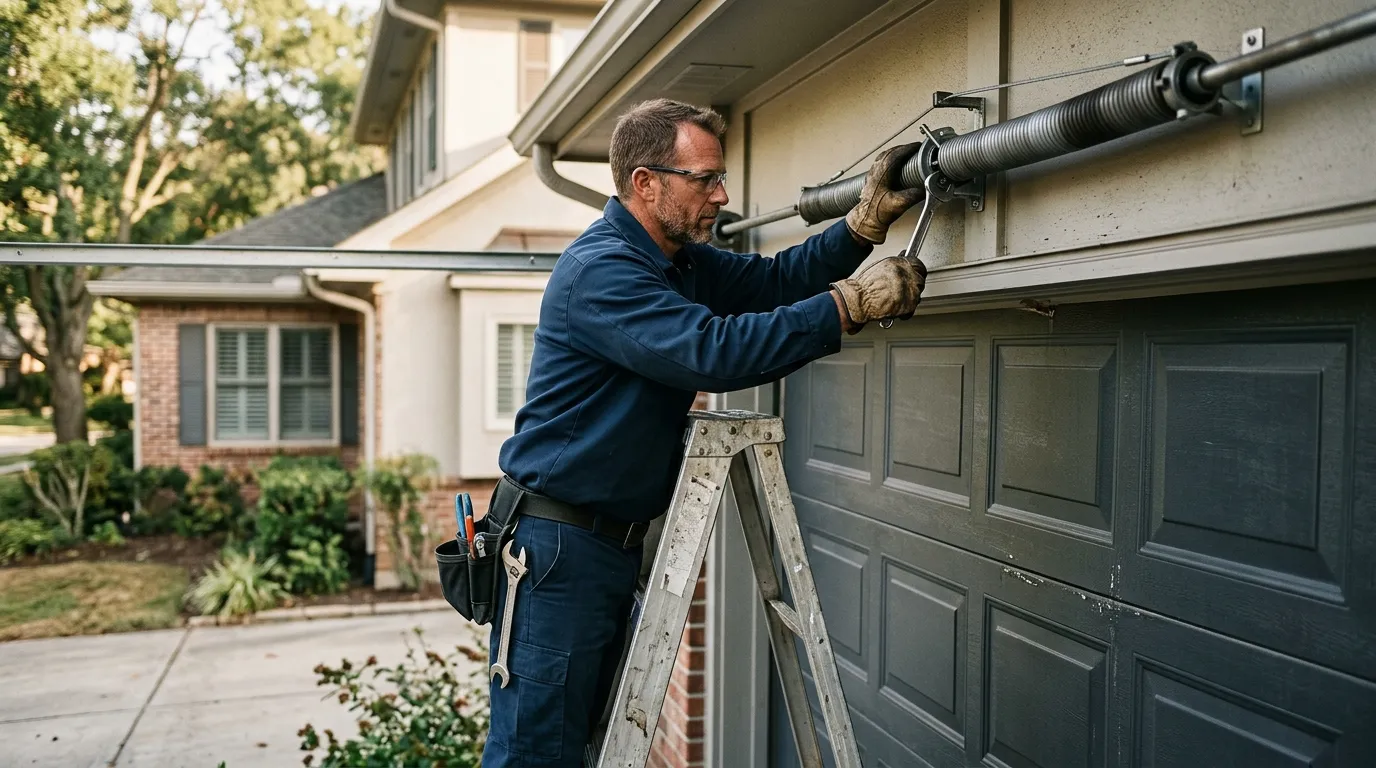
We don't quote a flat number for commercial work in Gladstone because the range is wide and the building stock here makes it wider than usual. A torsion spring swap on a standard steel sectional runs different money than replacing a full opener and track assembly on a door that's been carrying rust since the Nixon administration. What we can tell you: the older the hardware, the more likely a job includes parts that aren't sitting on a shelf, and that adds cost before labor even enters the conversation. Ask for a walk-through quote before you commit to anything sight unseen - a phone estimate on a door built to 1970s spec is a guess, not a number.
What drives the bill up in this area specifically is age matching. If your building went up anywhere near the 1972 median for this part of town, the door is likely a single-source steel panel on a spring size that newer commercial suppliers don't stock in bulk. That's not a Gladstone-only problem, but it's more common here than in newer commercial corridors because so much of the stock clusters in that same build decade.
How Long It Takes
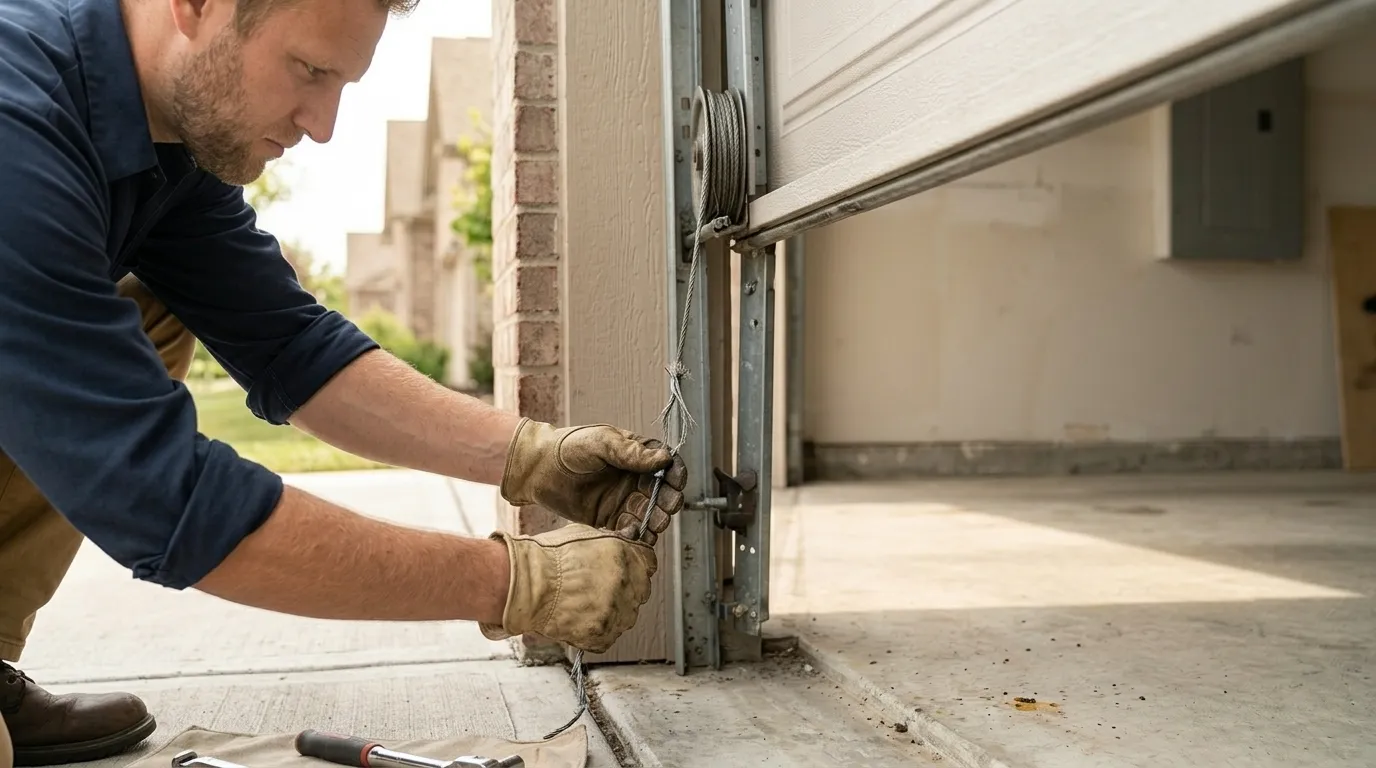
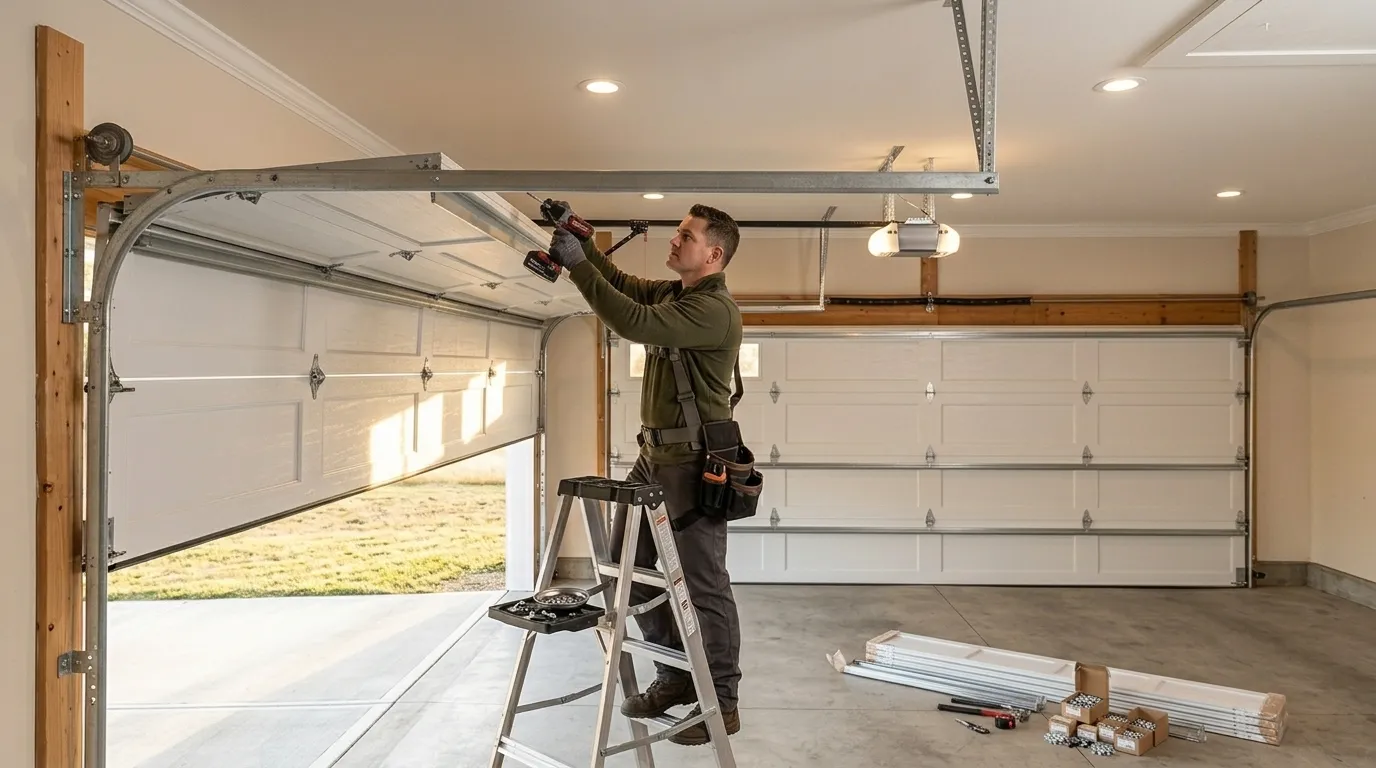
We can't promise a same-day fix sight unseen, and we won't pretend a job on a door this old is quick just because the symptom looks simple. A stuck door with a snapped cable might be an hour of work. The same symptom on original 1970s hardware, where the drum, the bearing plate, and the spring were all sized to a door that's no longer made the same way, can mean a return trip once the right parts are sourced. That's an honest limitation, not an excuse - parts for hardware this old don't always ship overnight, and we'd rather tell you that up front than promise a timeline we can't hold.
What we can control is the diagnosis. A tech looking at your door on-site can usually tell within a few minutes whether you're looking at a same-visit repair or a parts-order situation, and price the difference honestly before any work starts.
The Complications
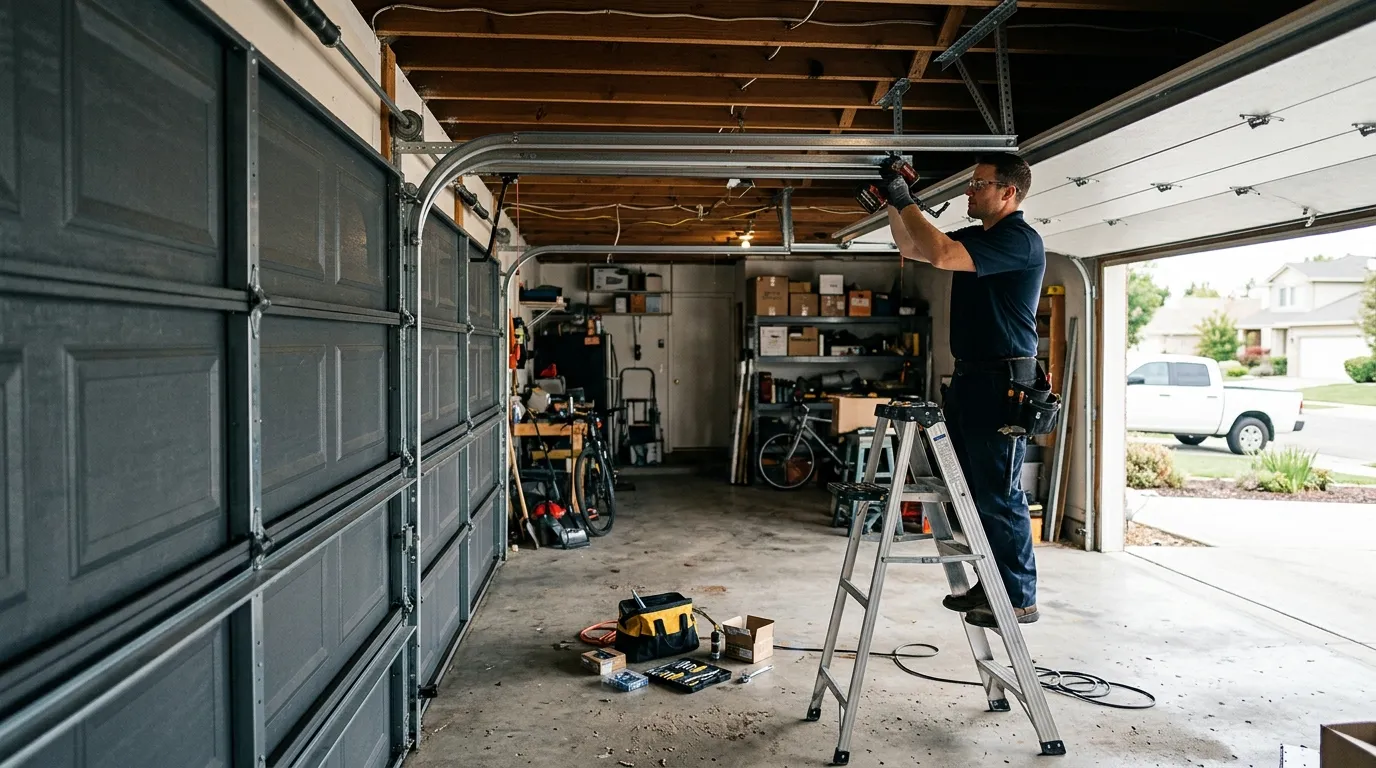
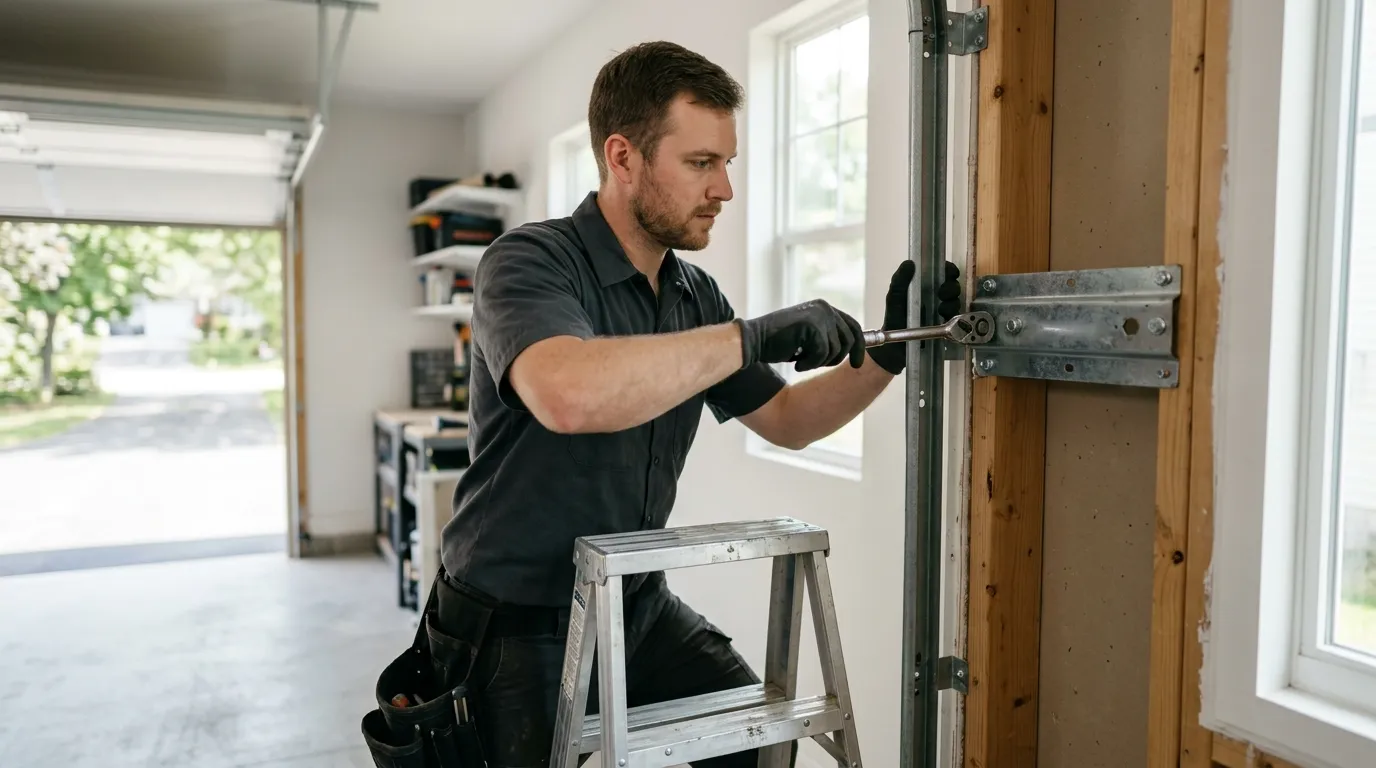
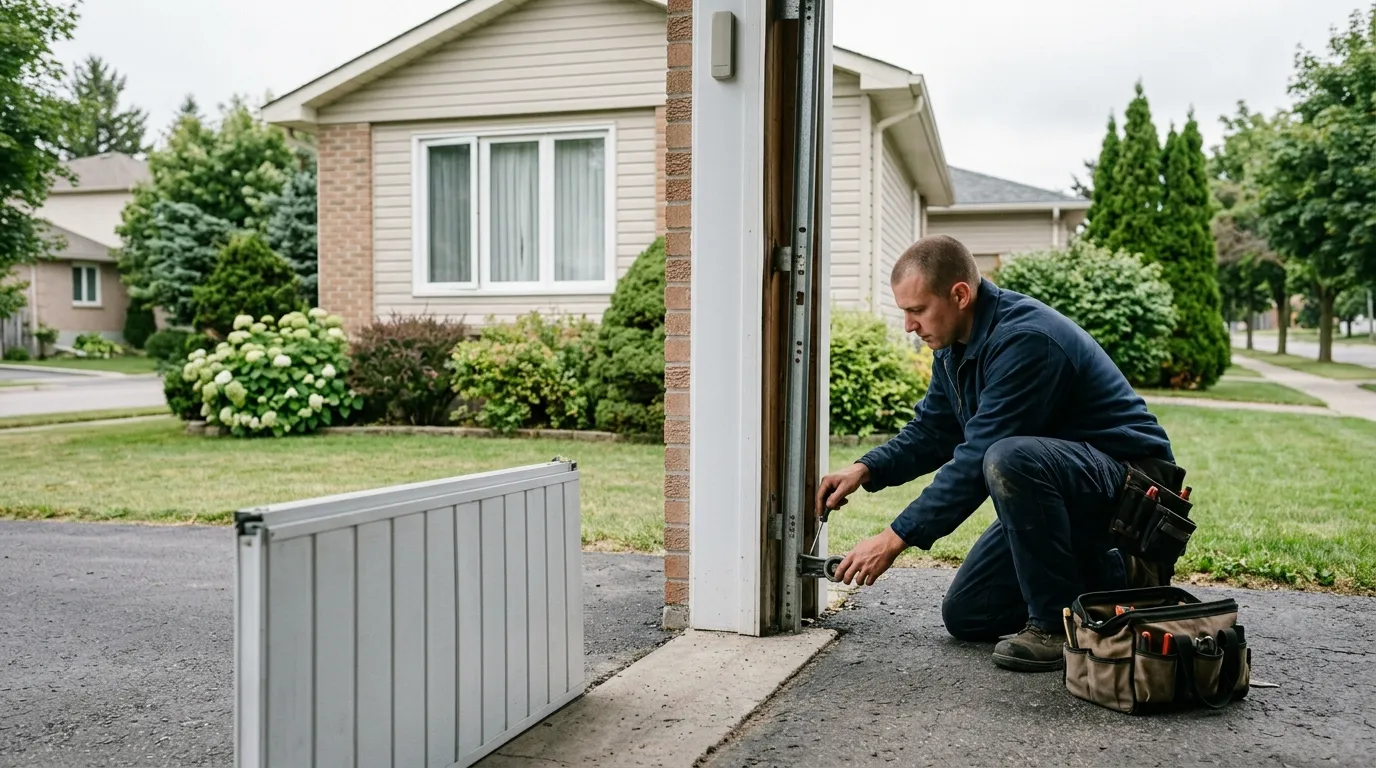
The main complication in Gladstone's commercial stock is mismatched hardware. A building from the early 70s that's had one opener swap and one partial spring replacement over five decades often ends up with three generations of parts on the same door - an original torsion tube, a mid-life bracket, and a newer opener that was never quite matched to the spring tension it's fighting against. That combination looks fine until the day it doesn't, and when it fails, it tends to fail as a compound problem instead of one clean break.
Cold-band winters make this worse. Steel expands and contracts with the swings, and hardware that's already carrying decades of wear doesn't flex the way new steel does. We also see openers wired into circuits that were never sized for a heavier modern motor, which is a separate call from a garage door repair but comes up often enough on buildings this age that it's worth flagging before you book a straightforward-sounding spring job.
Getting It Booked In
Gladstone sits about six miles from Kansas City, close enough that a job here doesn't carry the drive-time math you'd see on a call out past Smithville or twenty miles out. There's no depot in Gladstone itself - we run this coverage from Kansas City - but the distance doesn't add meaningfully to a job's timeline. Median household income here runs $72,134, a notch above the roughly $69,680 average across the wider service area, and it tends to track with owners who call about worn hardware before it fails outright rather than after.
If you're not sure whether what you're looking at is a same-visit repair or a parts-order job, describe what the door is doing and when it started - that's usually enough for a tech to plan the visit before ever seeing the building. See our Gladstone coverage page for the areas nearby, or the Kansas City commercial garage door page for the full run of services we offer across the metro.