How It Shows Up
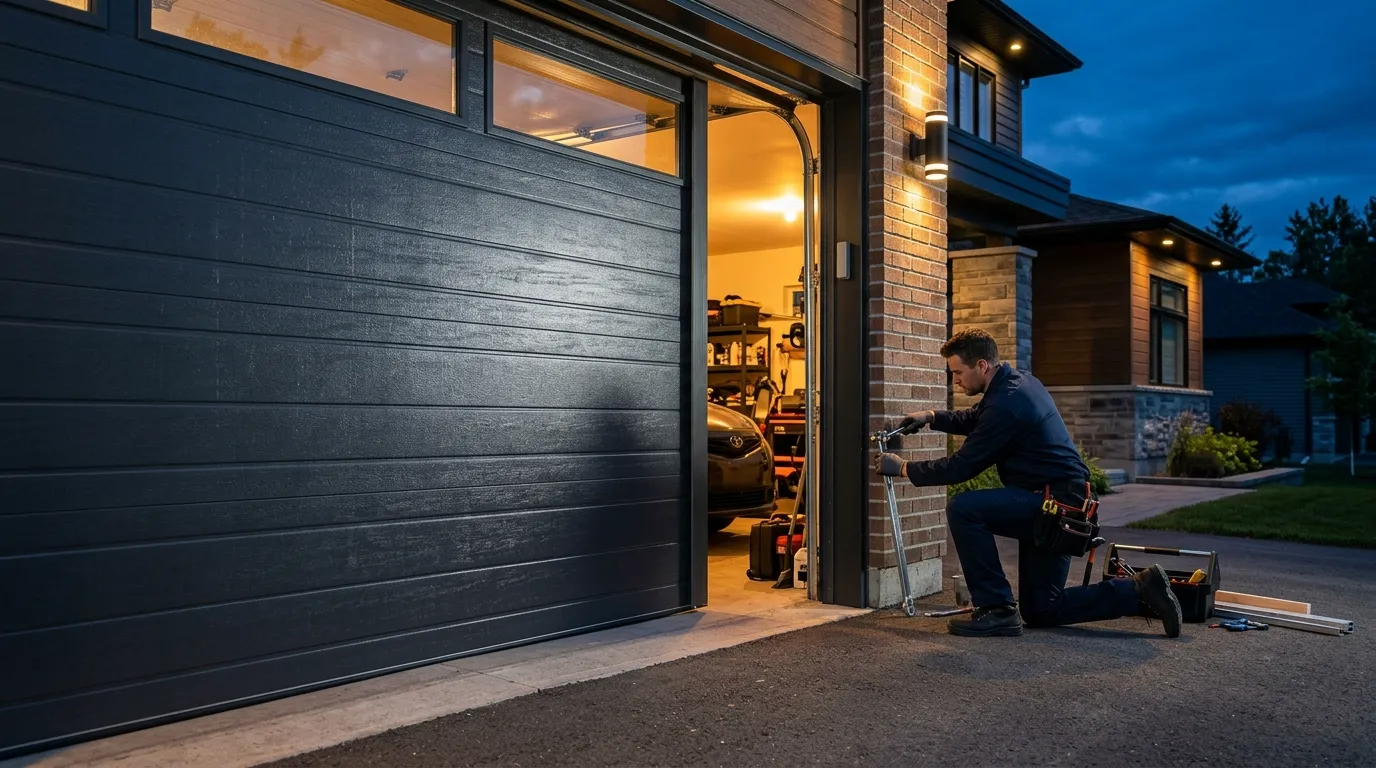
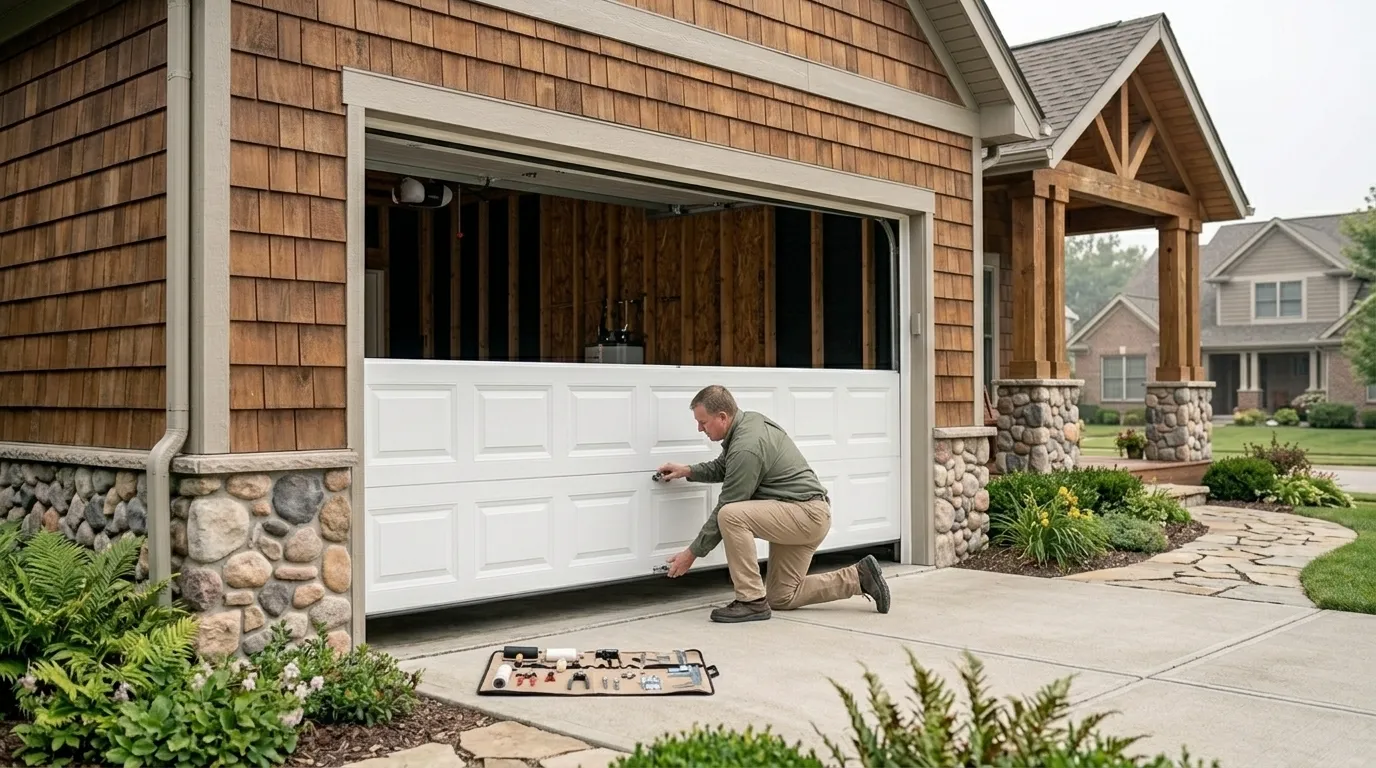
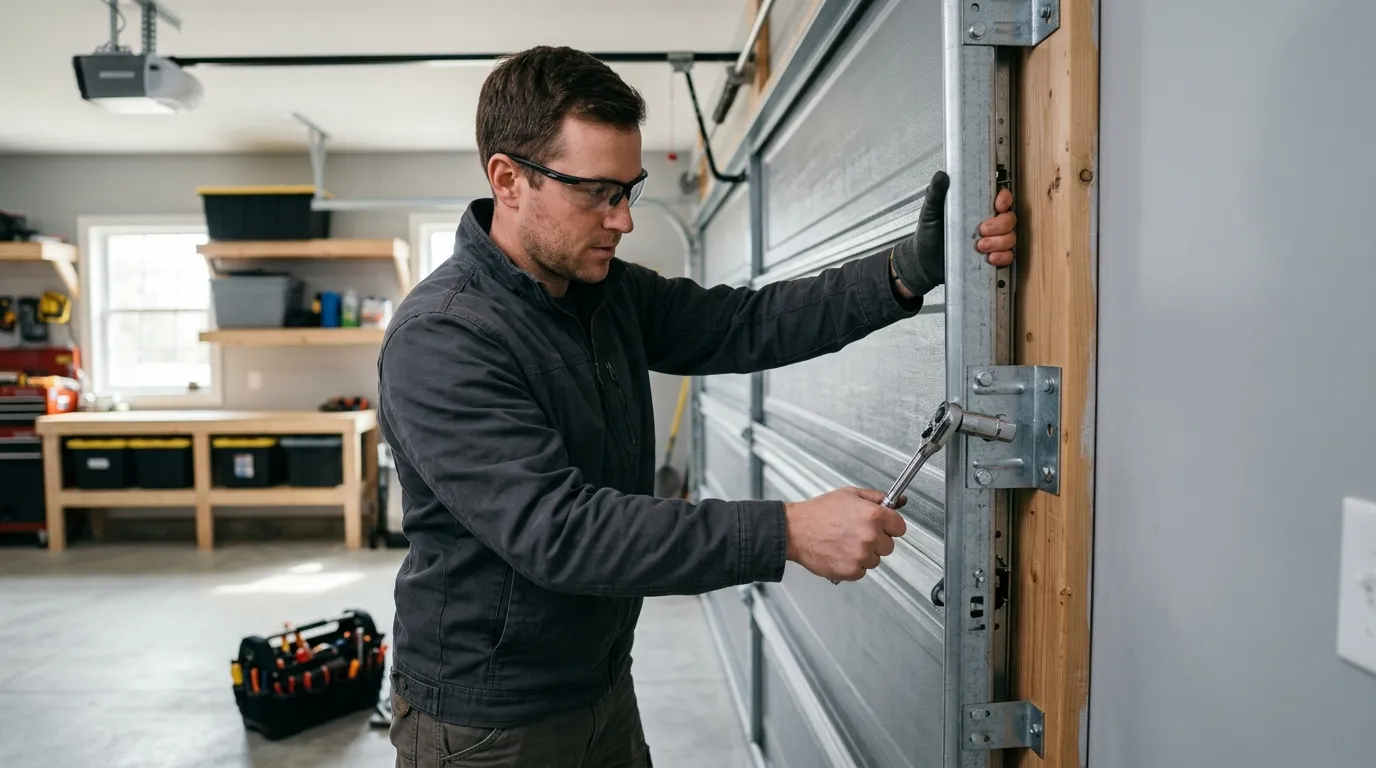
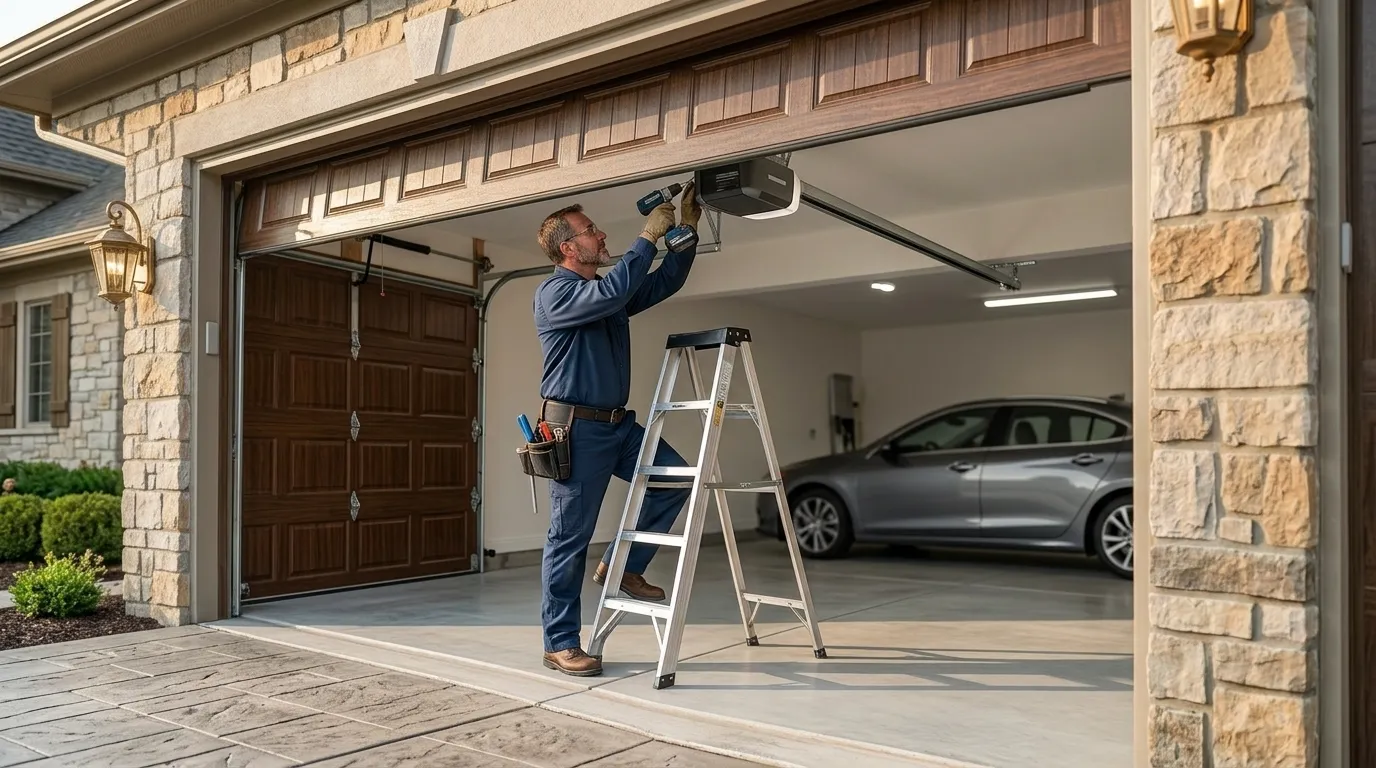
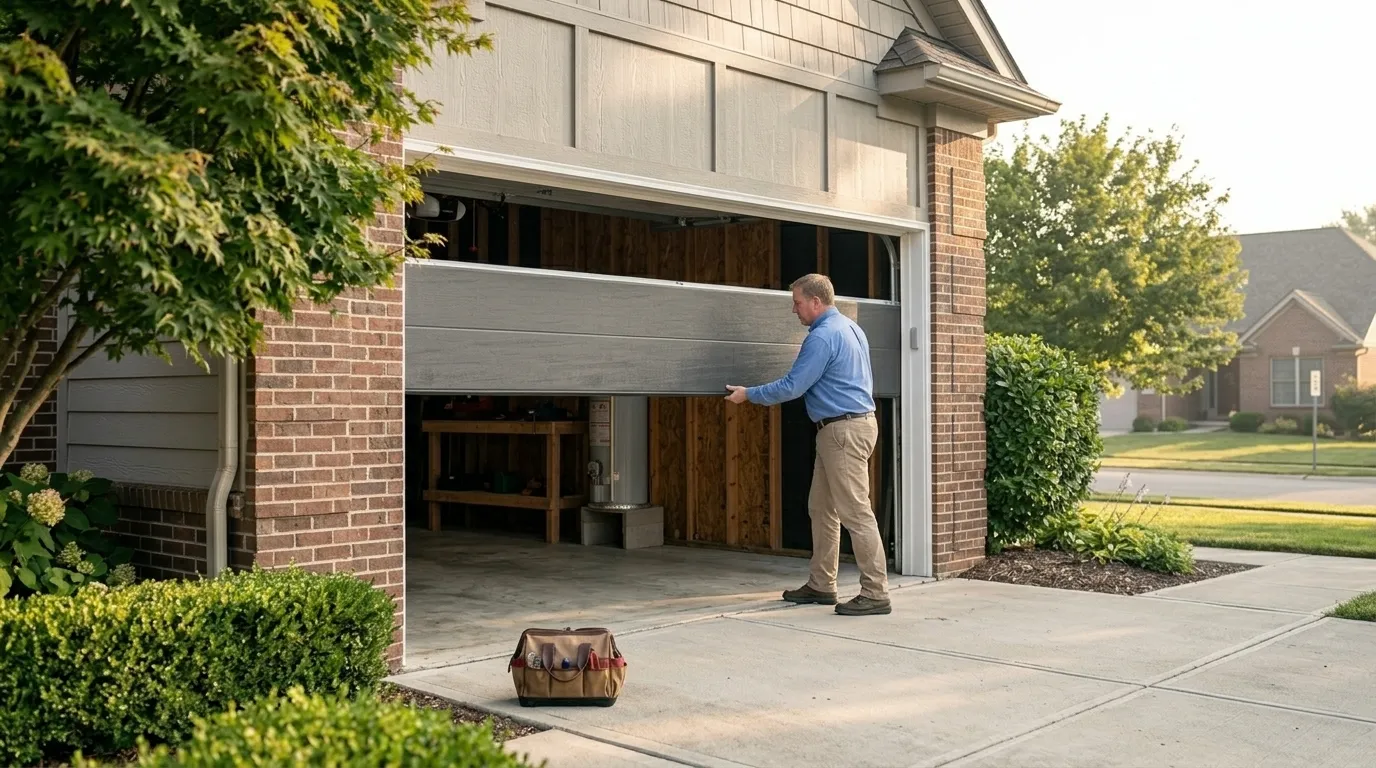
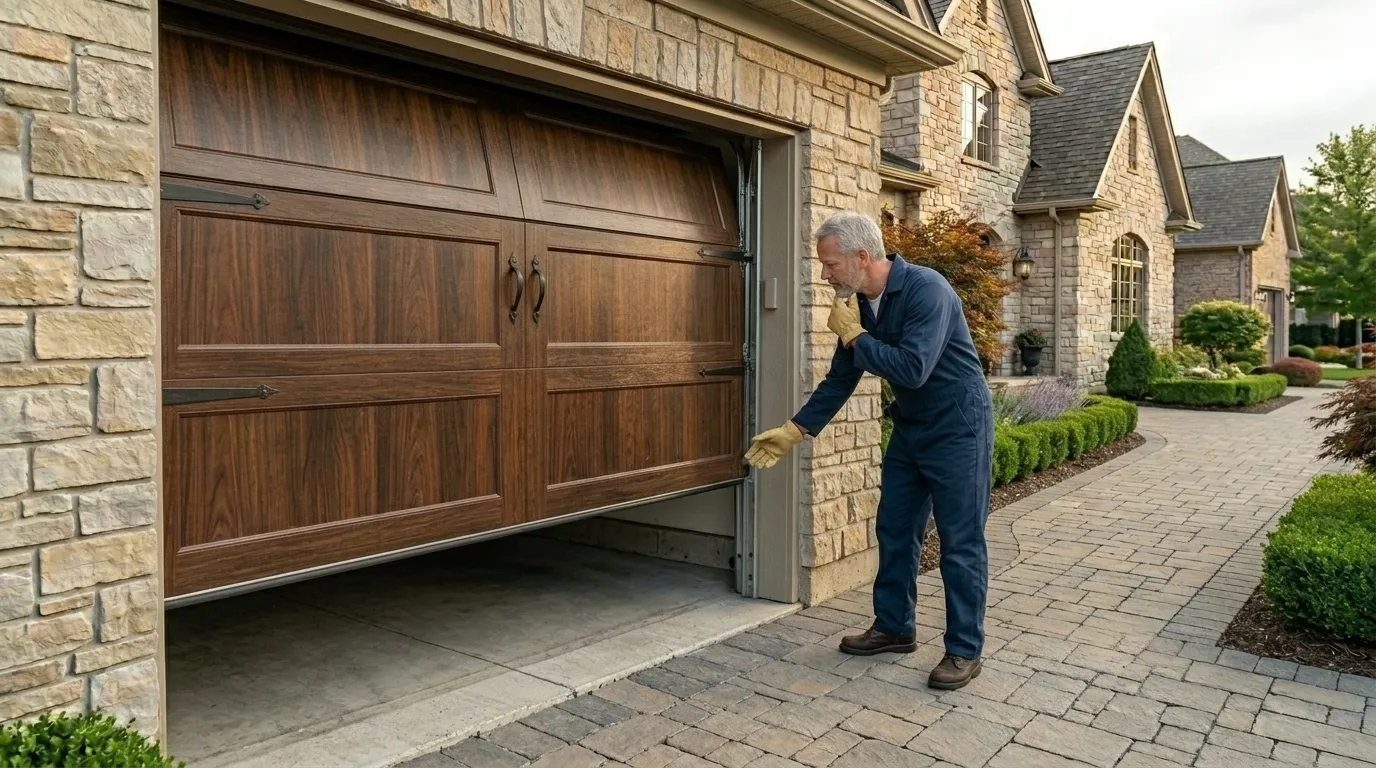
You hit the button and nothing happens, or the door starts up and stops halfway, or the motor hums but the door doesn't move at all. Sometimes it's the opener running the gear the wrong way, grinding instead of lifting. In a lot of Kansas City houses this starts as an intermittent problem - works fine for a week, then quits on the coldest morning of the month - before it fails outright.
The pattern we see across this service area, from the older blocks near out through Gladstone and Raytown, is an opener that's outlived the door hardware it was paired with. Houses here were built mostly between 1951 and 2002, with a lot of the stock going up through the 1960s and 70s across all 18 of the named areas we work. A lot of those original openers, or the first replacement unit installed decades later, are running gears, capacitors, and logic boards that were never built for the load a heavier insulated door puts on them today.
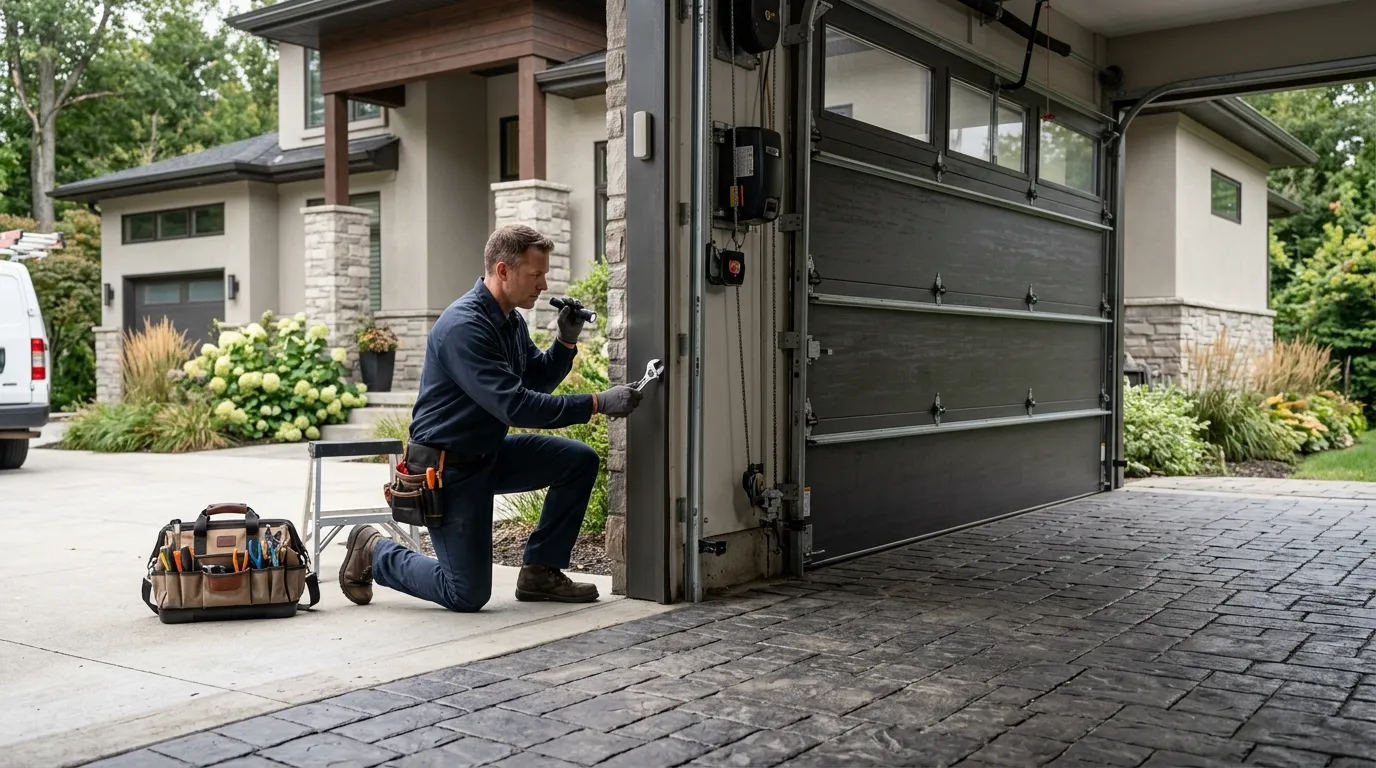
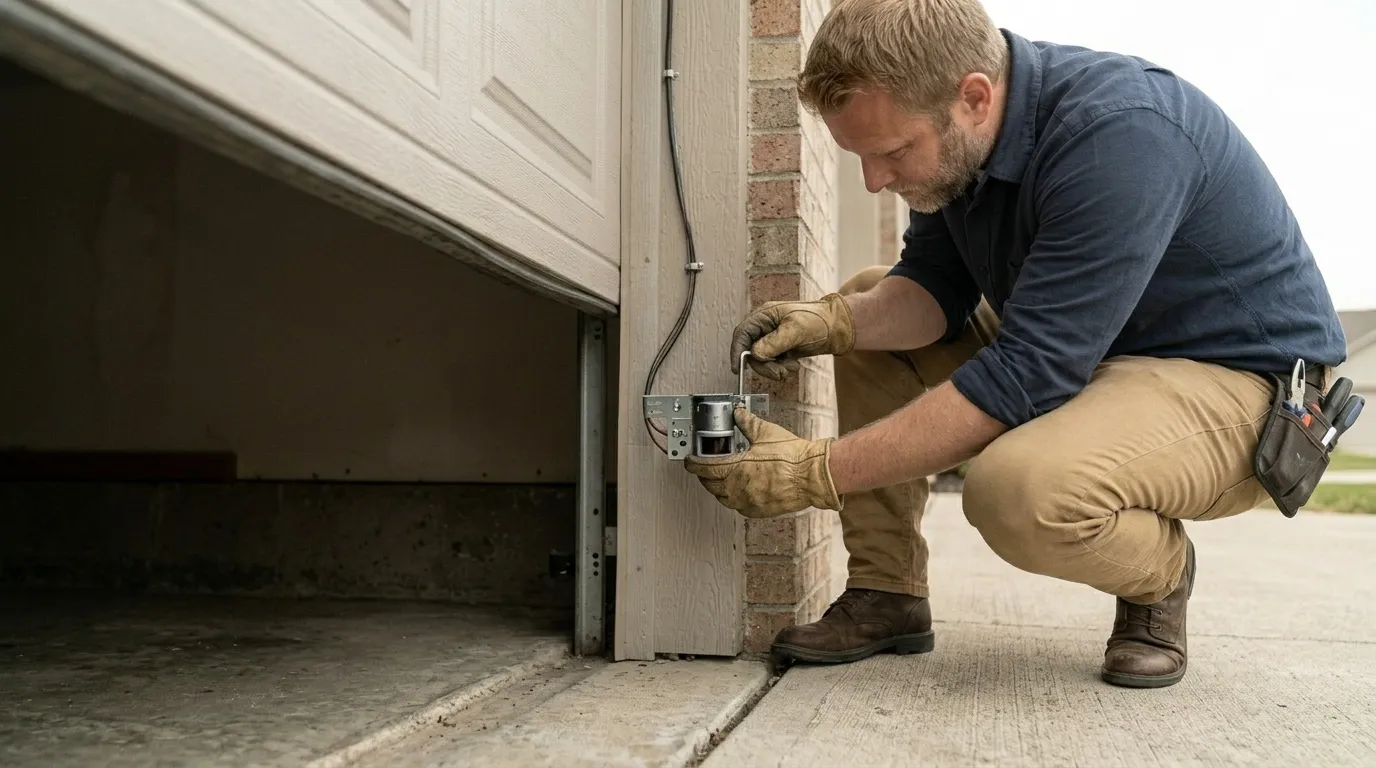
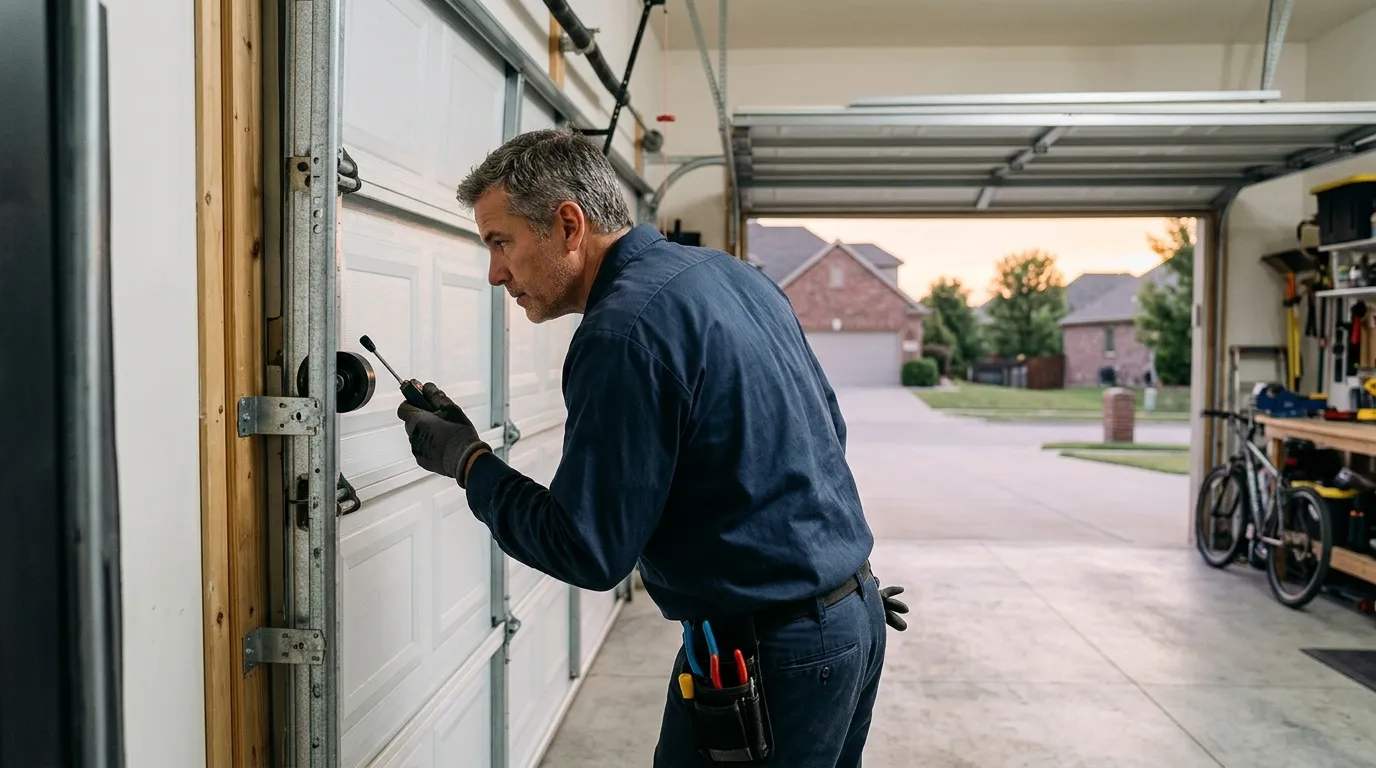
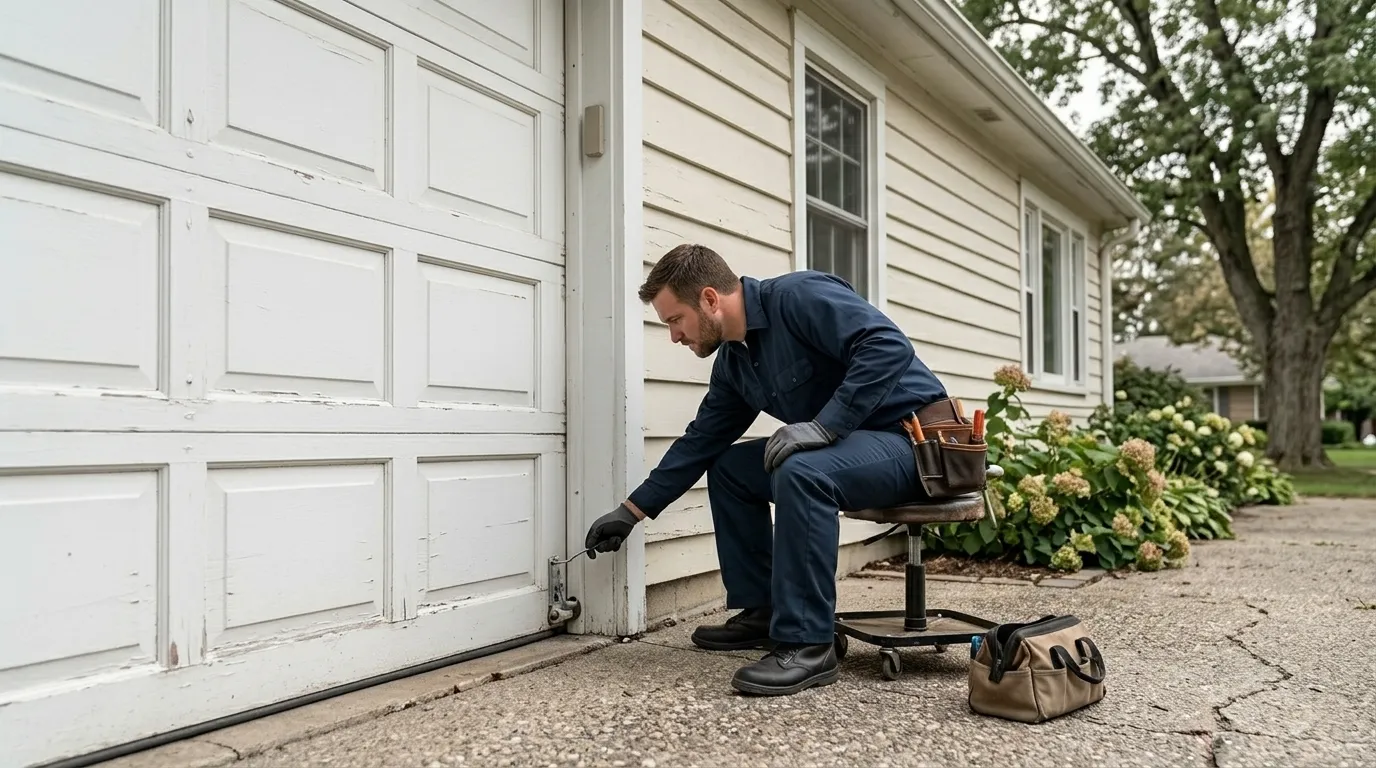
You'll also see the door reverse right after it touches the floor, or the wall button work but the remote doesn't. Both point to the opener's sensors or receiver, not the door itself, which matters because fixing the wrong part wastes a service call.
Why This Fails Locally
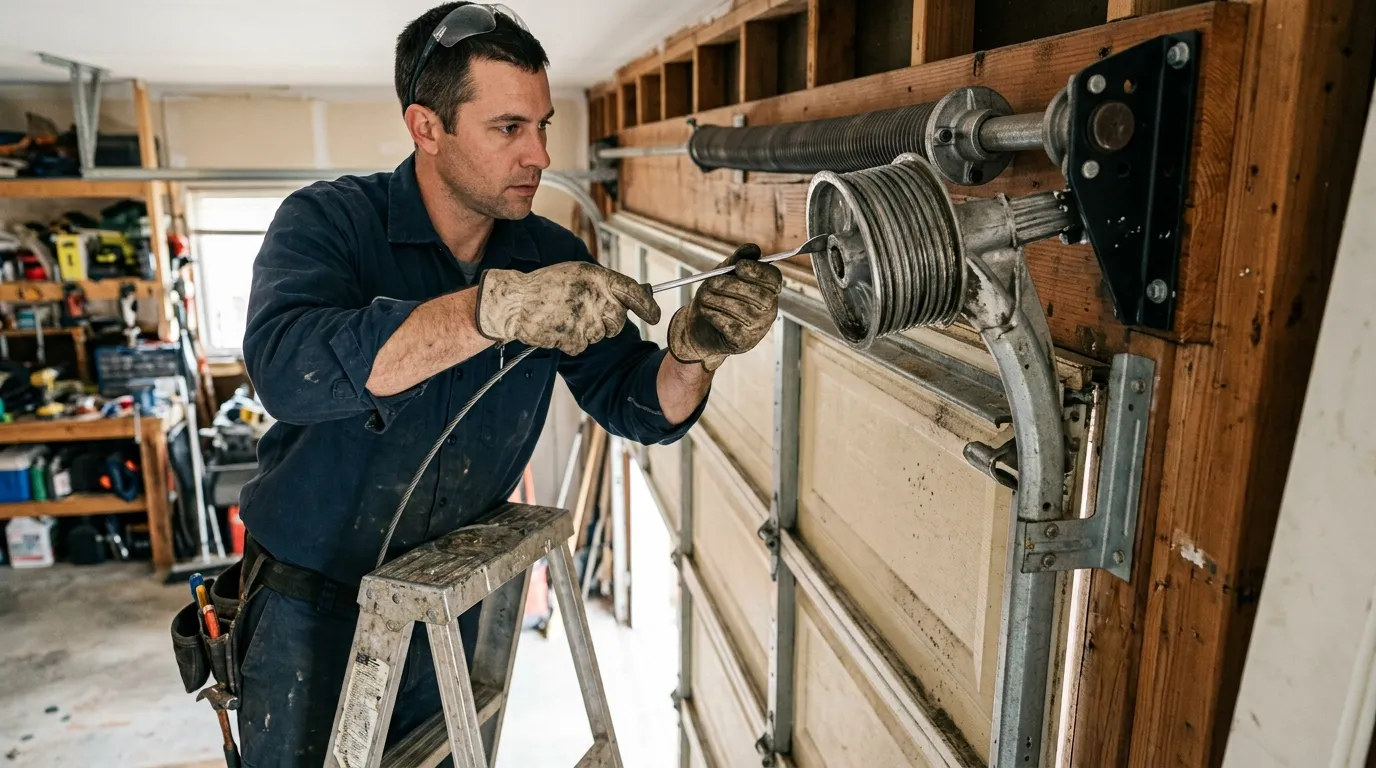
Kansas City sits in a severe cold climate band, and that matters more for openers than most homeowners expect. Cold doesn't just stiffen door springs - it thickens the grease in an opener's gearbox, drags down capacitor performance, and puts extra strain on the motor every time it tries to lift a door that's heavier and stiffer than it was in July. An opener that's marginal in October often dies outright on the first hard freeze.
The age of the housing stock compounds it. With most homes across this service area built between 1951 and 2002, and a heavy concentration in 1960s and 70s construction, a large share of openers in use are original replacements from the 1980s or 90s - units built before modern safety-sensor standards and well past the design life of their internal gears. That's true whether the house sits near the Northeast Industrial District, out toward Gladstone, or further out.
This isn't a problem unique to any one block. It's a function of when this part of the metro was built and what the winters here do to mechanical parts that are already decades old.
What It Costs
Cost comes down to which part failed and whether the opener is old enough that parts are hard to source. A bad capacitor or sensor pair is usually a straightforward, lower-cost repair. A stripped gear kit costs more in labor because of the disassembly involved. A failed logic board on a discontinued model often means opener replacement is the more sensible spend than chasing parts that no longer exist.
We don't quote a flat number over the phone for opener work, because the difference between a $40 sensor and a full replacement unit is significant, and guessing wrong either way isn't fair to you. What we can tell you upfront: if your opener predates the mid-2000s, expect us to talk you through replacement options alongside any repair estimate, since that's often the more honest long-term answer for households across this income range and housing stock.