When It Stops Being a DIY Job
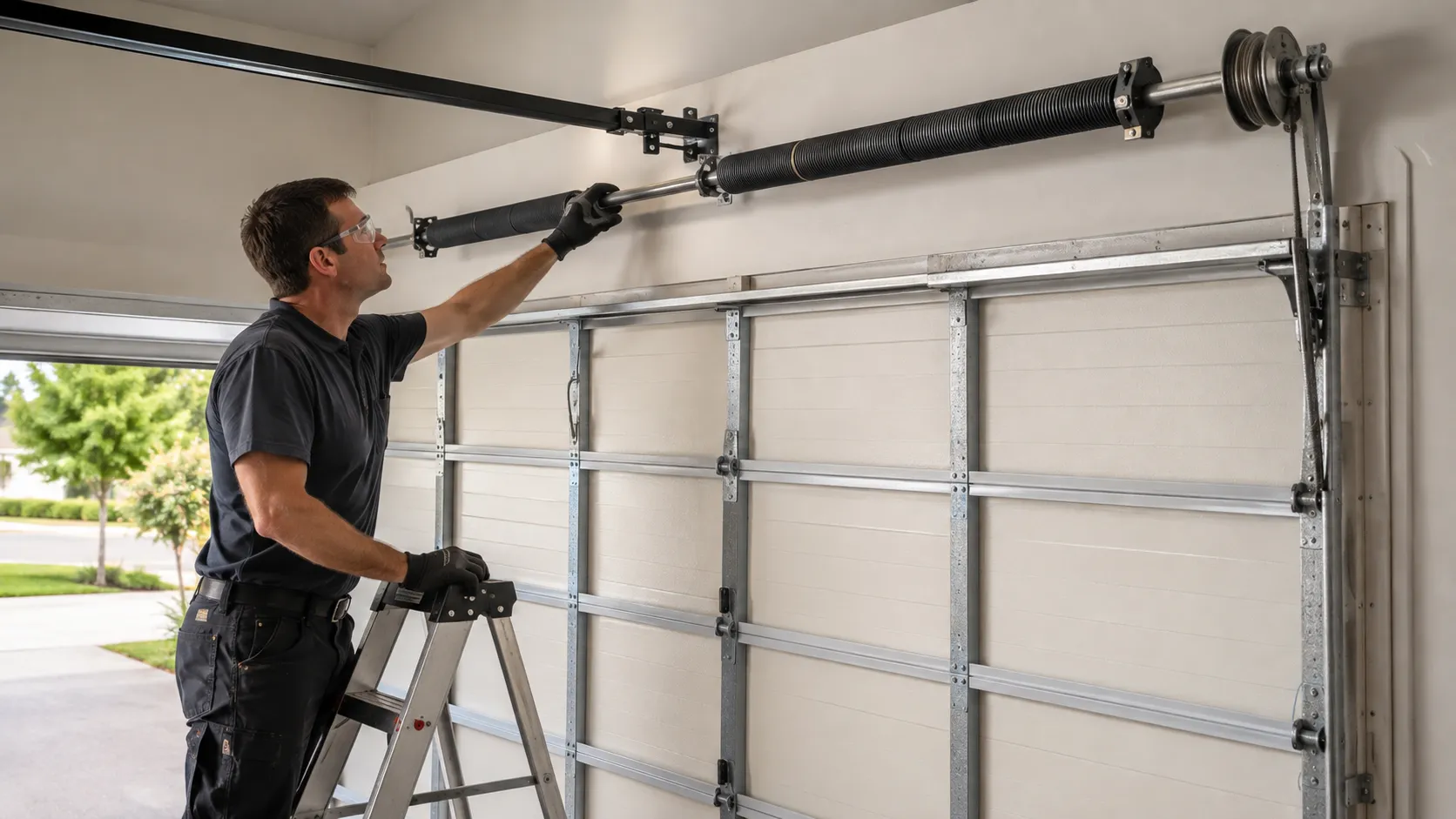
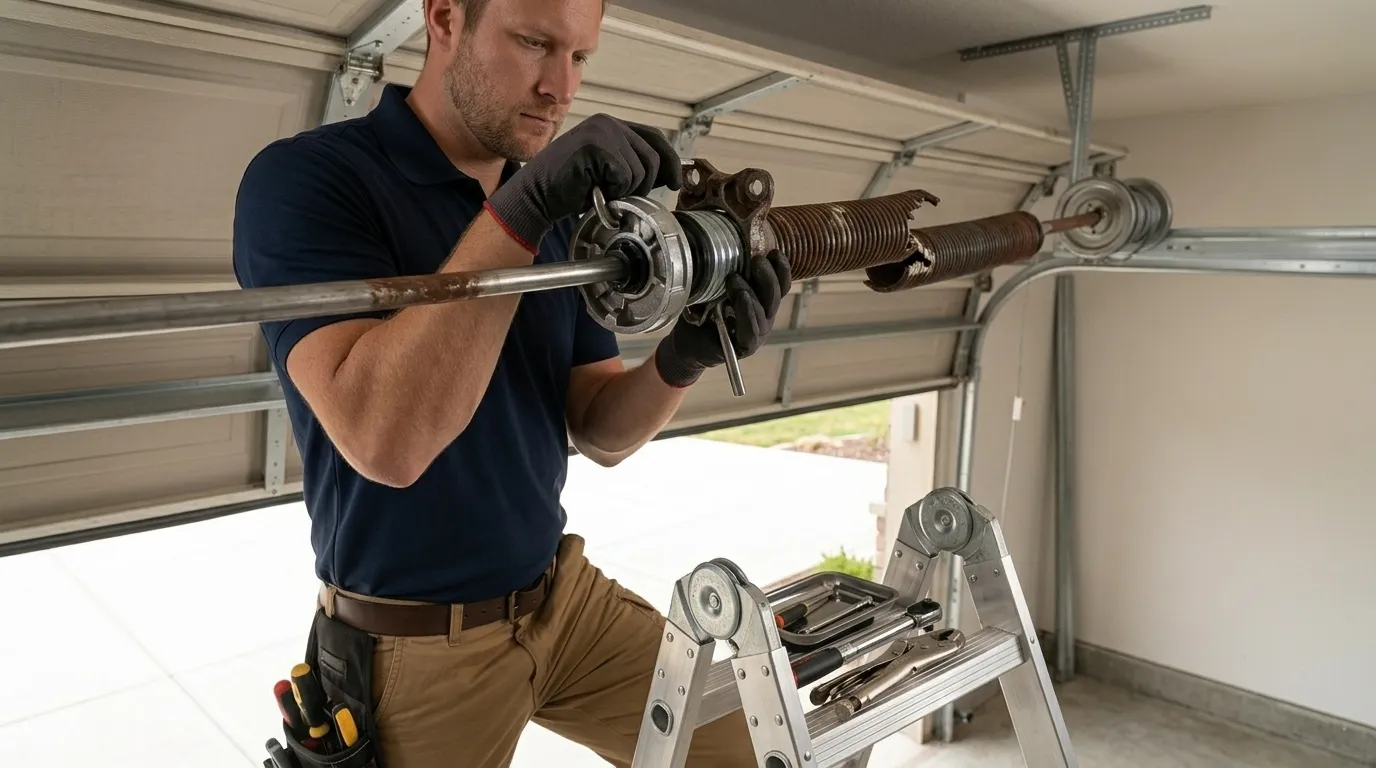
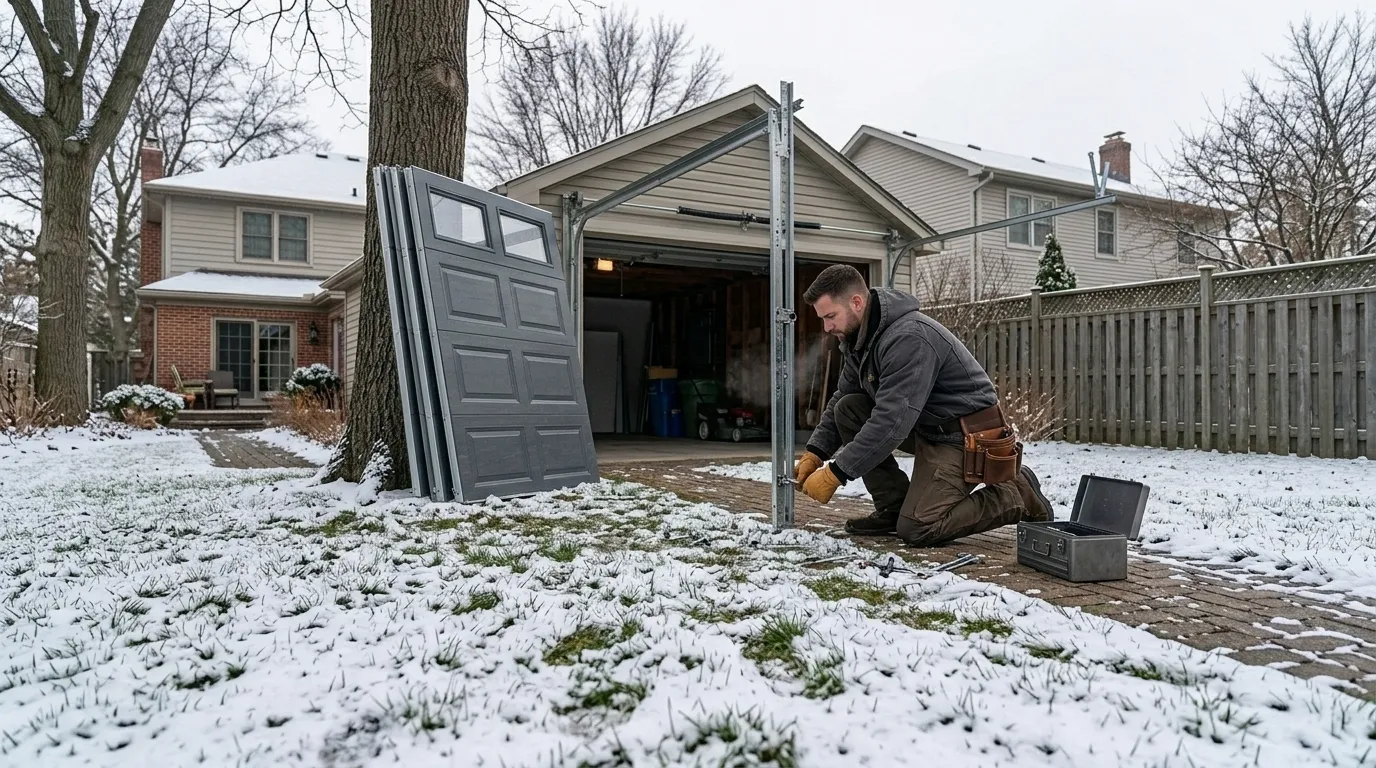
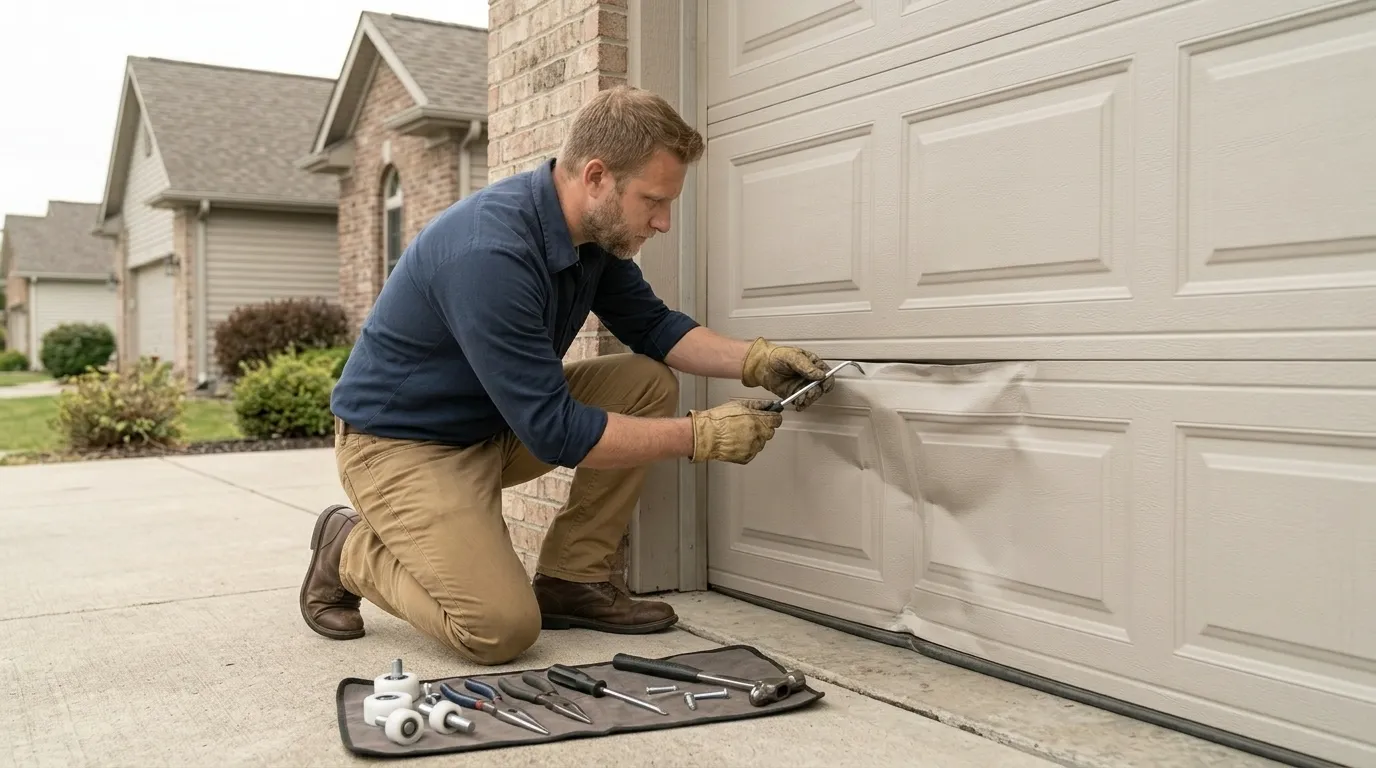
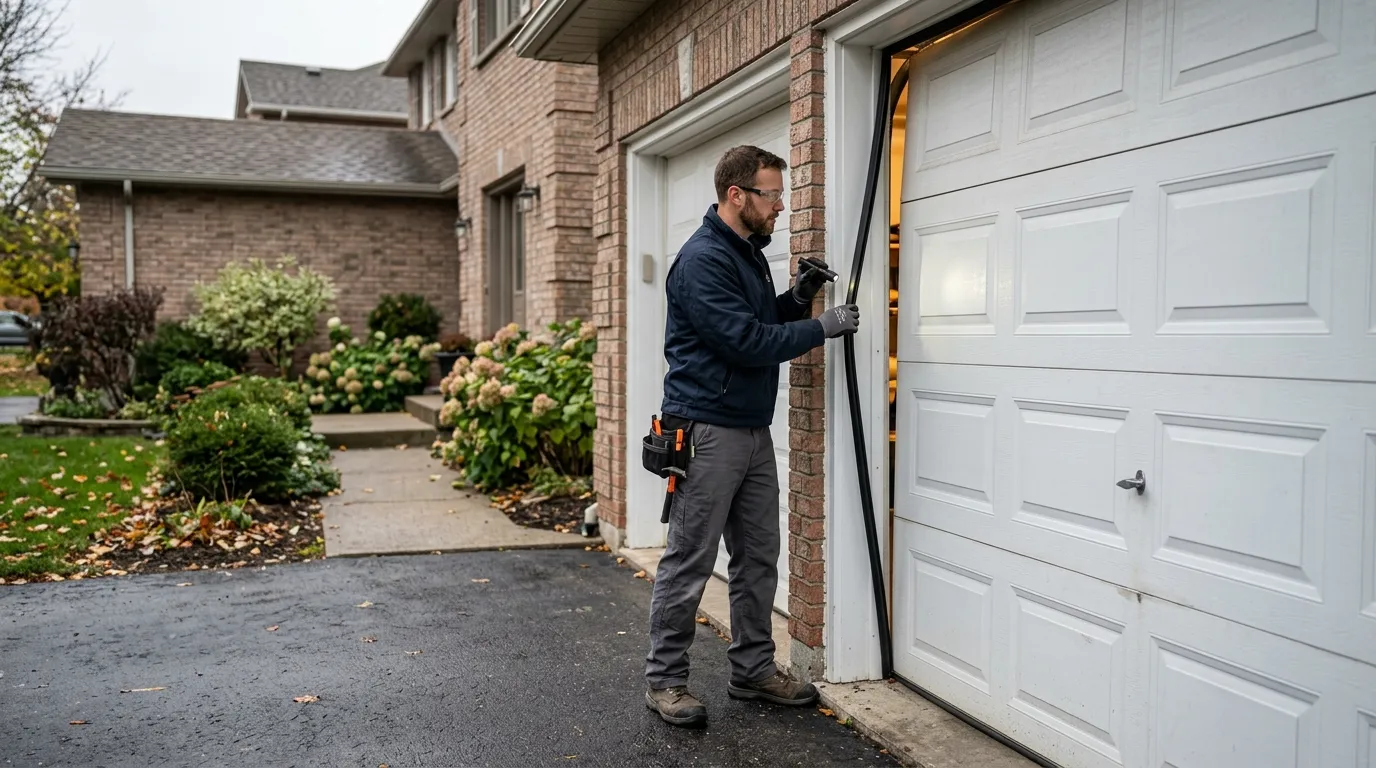
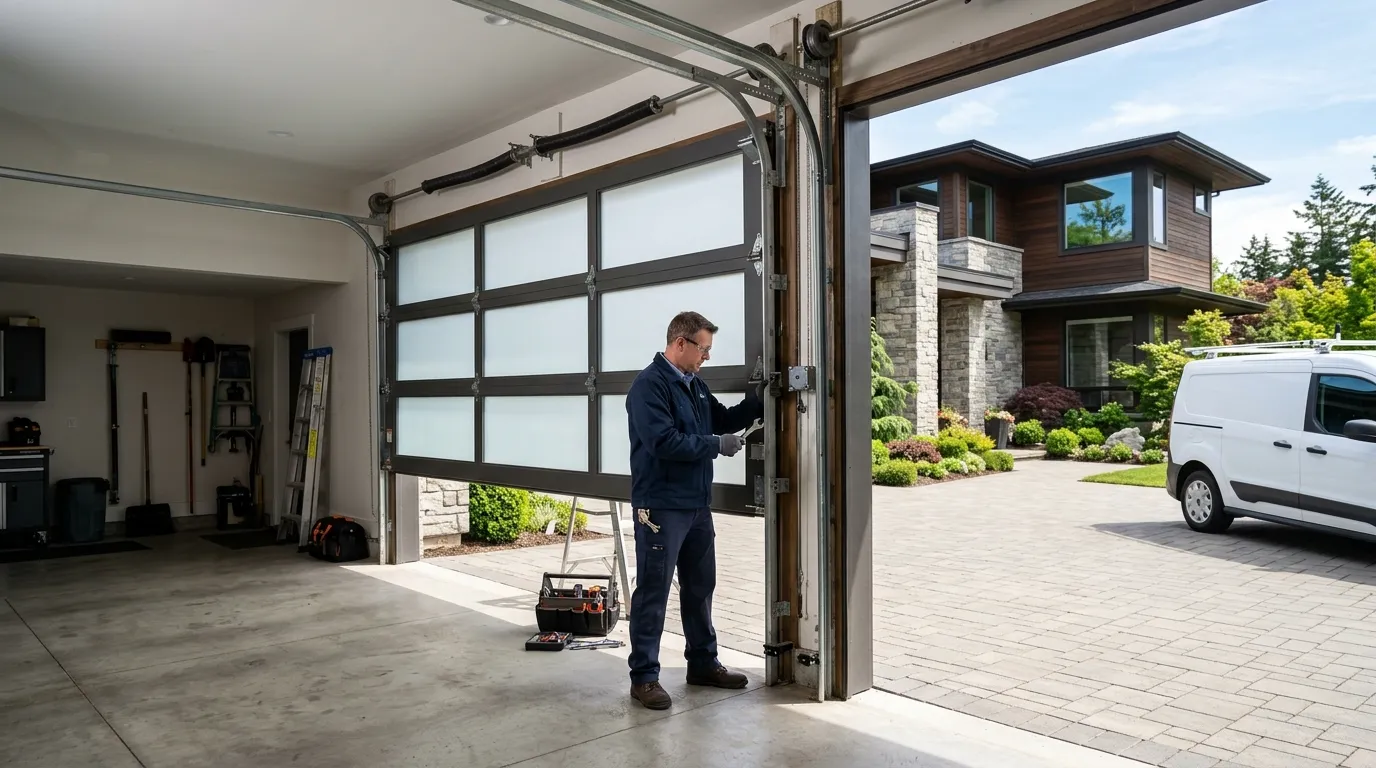
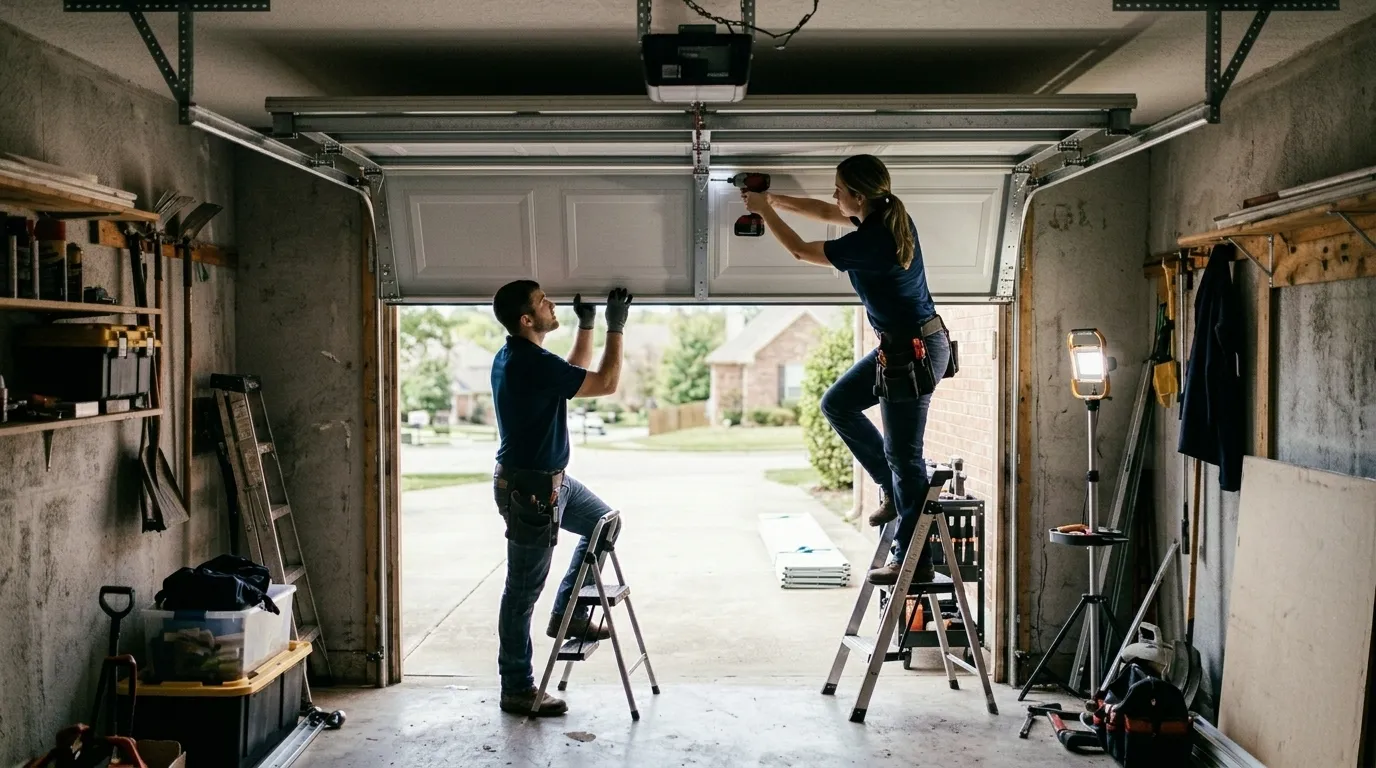
A door that's popped a roller out of the track will sometimes look like a five-minute fix - just muscle it back in, right? Not on the housing stock common across this area. Homes here run 1951 to 2002, with median build year around 1973, and a lot of that stock in the 18 named neighborhoods still runs original track brackets that have loosened over five decades of seasonal expansion and contraction. Once a bracket has walked even a quarter inch from square, forcing the roller back in just moves the failure point down the track. At that stage you're not re-seating a roller, you're re-aligning a track that's been slowly bending for years, and that means loosening lag bolts on a door under spring tension. If the door came off during operation rather than sitting still, assume a cable or a bottom bracket is involved too. That's not a job to eyeball and shove back into place - a door under tension that lets go can put a track bracket through drywall or through a hand. We won't sugarcoat it: past a bent track section, this is a call, not a project.
The Situation
Across the households in this service area - just over 103,000, with roughly 52,855 owner-occupied houses - a large share sit on the same era of construction, which means the failure pattern repeats house to house rather than being random. A door built to 1970s spec used lighter-gauge track and fewer bracket anchor points than what's installed today. That's not a knock on the builders; it's just the standard of the time. It means a track that was adequate for a door forty years ago is now working harder to hold the same door as those thin brackets fatigue. If you're in one of the older pockets of this footprint, the odds that a track issue is bracket fatigue rather than a one-time bump are higher than they'd be in a newer subdivision.
What Most People Get Wrong
The most common mistake is treating an off-track door as a lubrication problem. WD-40 on a roller does nothing for a bracket that's pulled loose from the jamb. The second mistake is assuming replacement is always the answer - it isn't. A track with one bent section from an impact, on an otherwise sound door, is a track repair, not a new door. Where replacement does make sense is when the bracket holes have stripped out from decades of vibration; redrilling into the same worn wood usually fails again within a season. We'll tell you straight which one you've got before we quote anything. One limitation worth knowing up front: if the track is a discontinued profile from an older build, matching parts can take longer to source than the repair itself - we'll flag that before we start, not after.