Serving Kansas City, MO & nearby
(816) 857-5830
Kansas City, MO

What Kansas City's Older Housing Stock Means for Your Garage Door

Most Kansas City garage doors were built between 1951 and 2002, and the severe cold winters here can crack seals and freeze tracks on original hardware fast.

What Kansas City's Older Housing Stock Means for Your Garage Door

When It Stops Being a DIY Job

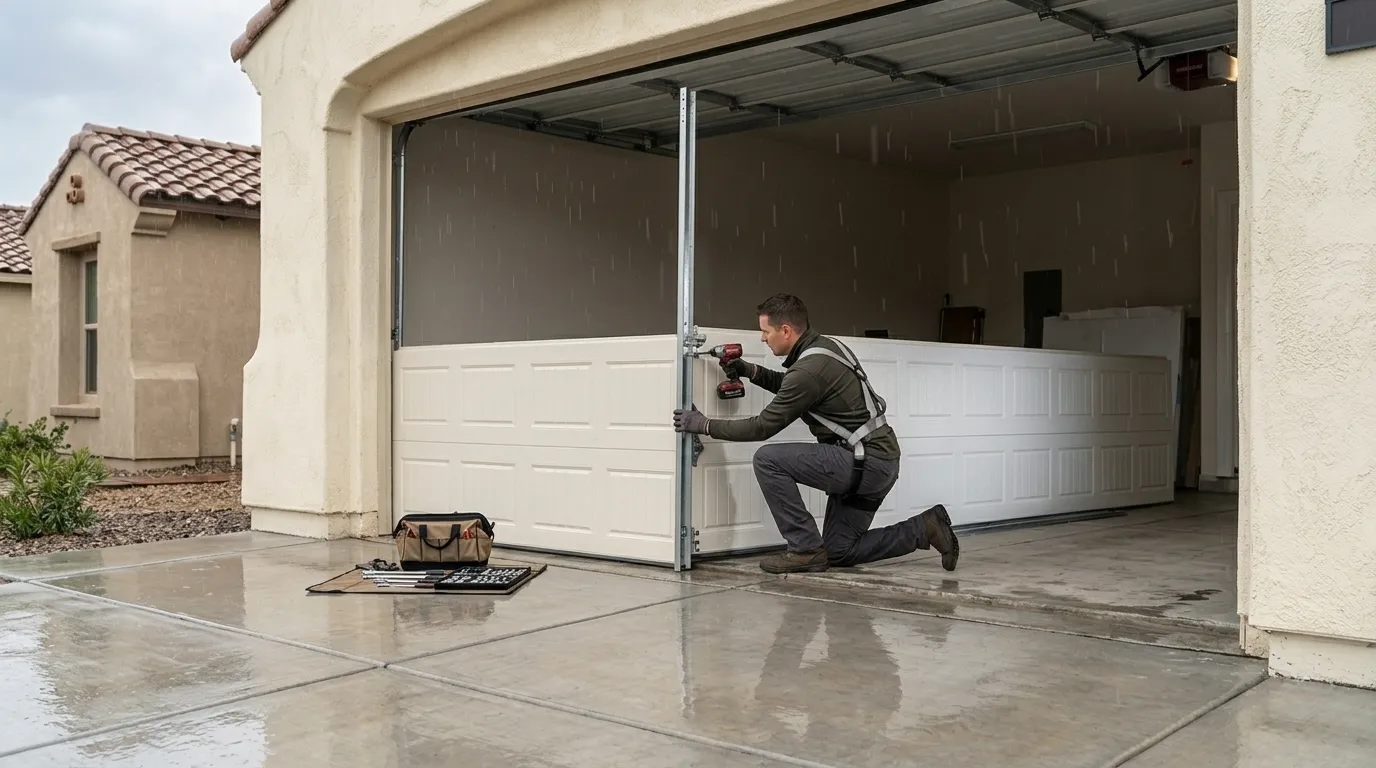
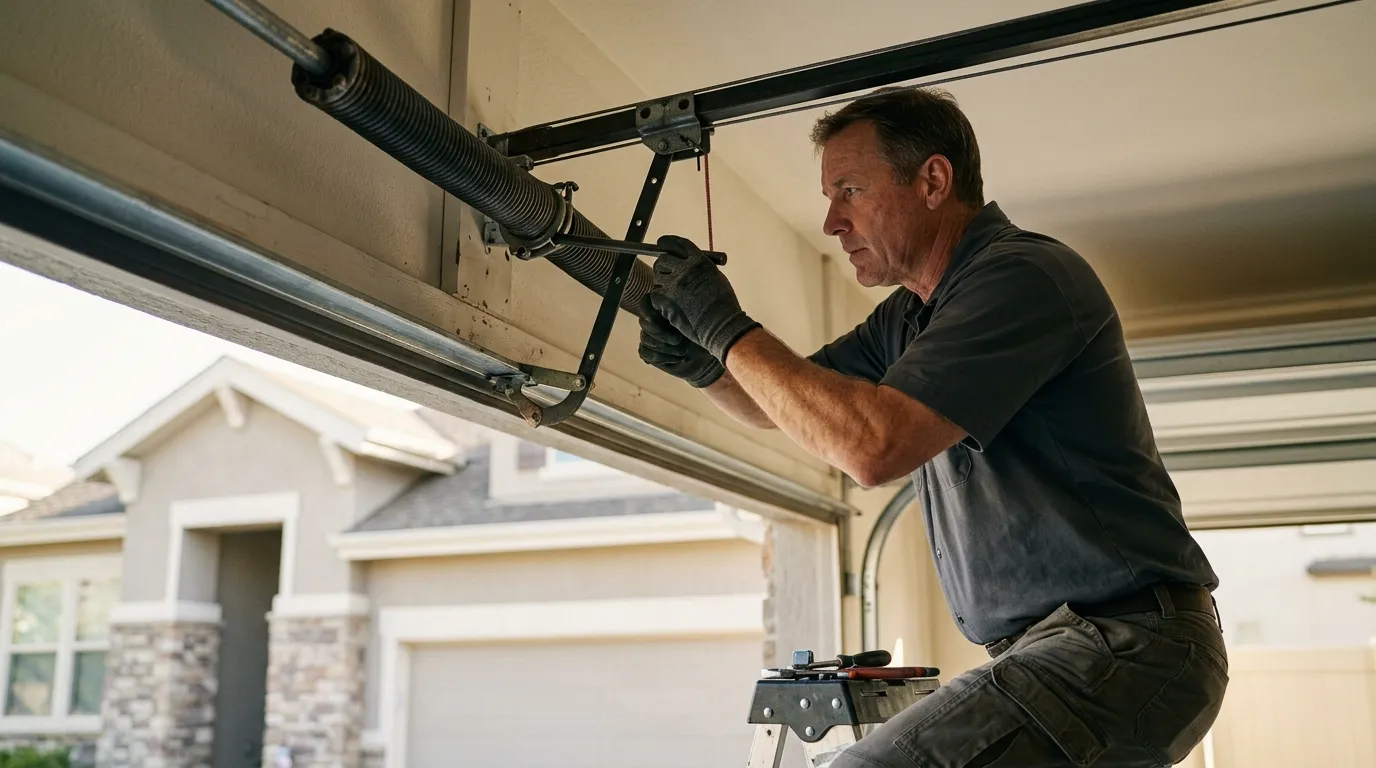
Swapping weatherstrip or tightening a loose roller bracket is fine to do yourself, and plenty of owners here do it. Torsion spring work is a different animal, and it matters more in this area because so much of the housing stock is original 1960s-70s construction with the older side-mounted torsion hardware still on the door. That hardware was built to a different standard than what goes up today, and a spring under that kind of tension will put someone in the ER if the winding bars slip. We don't walk people through spring replacement over the phone, and we won't pretend it's a weekend project - that's the one place we tell homeowners to stop and call instead of pushing through. Everything upstream of the spring - opener adjustments, sensor alignment, track lubrication - is reasonable DIY territory on a door this age, as long as you know what you're looking at before you start.

What the Weather Here Does to It

This is a COLD severe climate band, and it does specific things to a garage door that a mild-winter town never deals with. Steel panels contract hard when the temperature drops fast, and on doors without a foam core - common on stock built before insulation rules tightened up - that contraction cracks old rubber seals at the bottom and around the perimeter. Nylon rollers stiffen and start to squeal or bind in the track. Opener motors work harder pulling a door that's lost its balance because a cold-stiffened spring isn't carrying its share of the weight anymore. On an attached garage, a bad seal or a door that won't sit flush also means cold air pushing straight into whatever room shares that wall. None of this shows up in July. It shows up the first hard cold snap of the season, usually as a door that won't close all the way or an opener that strains and reverses.

The Situation

The service area runs from North Kansas City and the Northeast Industrial District a mile out to twenty miles off, covering 18 named areas in between. Across that footprint there are 103,053 households, and 52,855 of them are owner-occupied houses - the group carrying most of the aging door hardware we're talking about here. Median household income across the area sits at $69,680, which tracks with what we see on service calls: a lot of houses where the door still has its original torsion setup because replacing a working door outright isn't the first move most owners make. Housing here runs 1951 through 2002 with a median build year of 1973, so the middle of the market is squarely mid-century construction, not new-build stock with modern hardware standards baked.

What Most People Get Wrong

The assumption we run into most is that an insulated-looking door means an insulated door. It doesn't. With a median build year of 1973, a lot of doors on this side of town went up before insulation rules for garage doors were part of the code conversation at all - they're single-layer steel with no foam core and no vapor barrier, regardless of how the panel is styled. Owners also assume a door that closes fine is a door that's fine, when a door can look level and still be carrying uneven spring tension that's slowly wearing the opener gear down. And people often wait for a full failure before calling, when a door that's dragging, unbalanced, or noisy is cheaper to deal with early. We'll say plainly when a repair isn't worth it and replacement makes more sense - that call depends on the door's age and condition, not just what's broken today.
How it works

From “it’s stuck” to “it’s fixed”

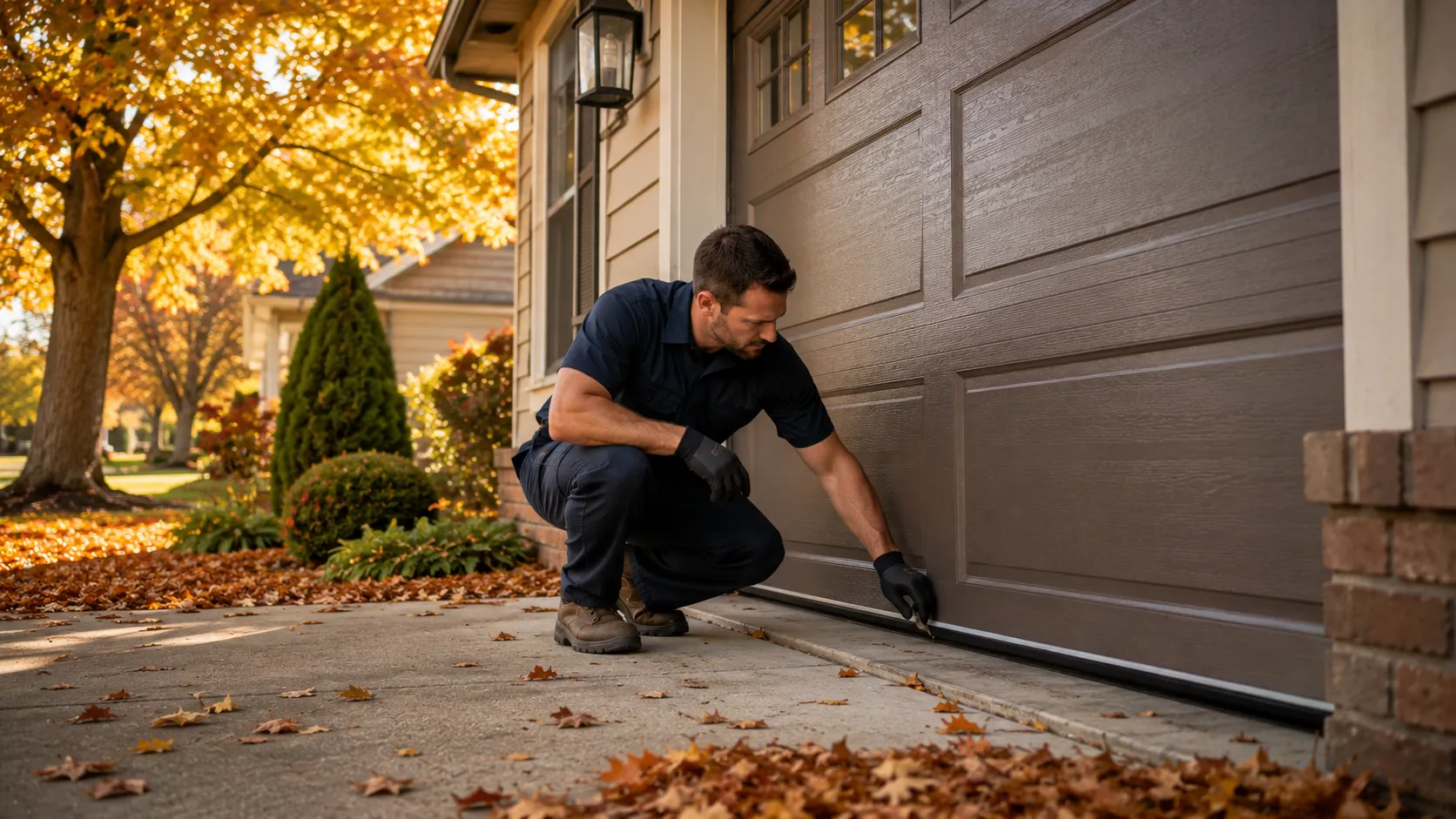
Tell us what’s wrong - Kansas City garage door service

Tell us what’s wrong

Describe the symptom - won’t open, loud bang, opener runs but the door won’t move.

On-site diagnosis - Kansas City garage door service

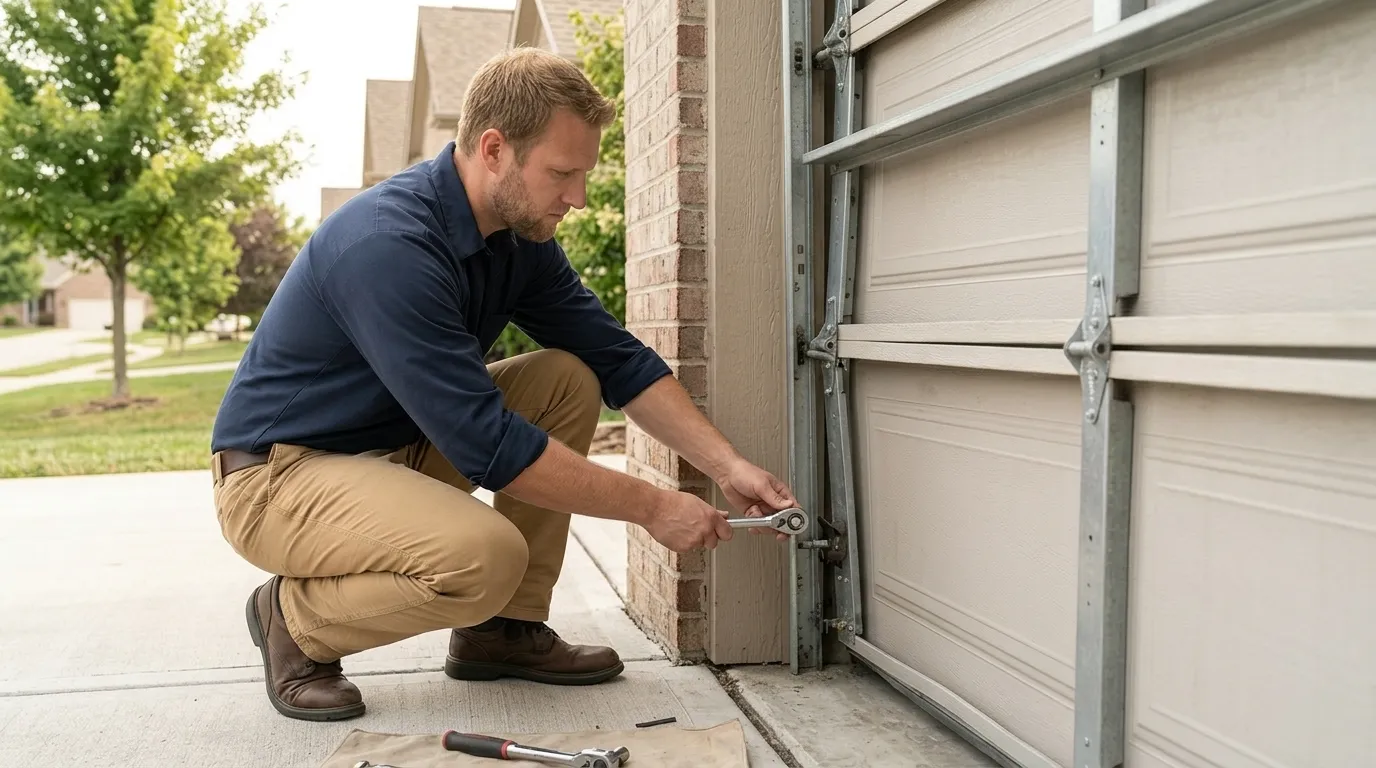
On-site diagnosis

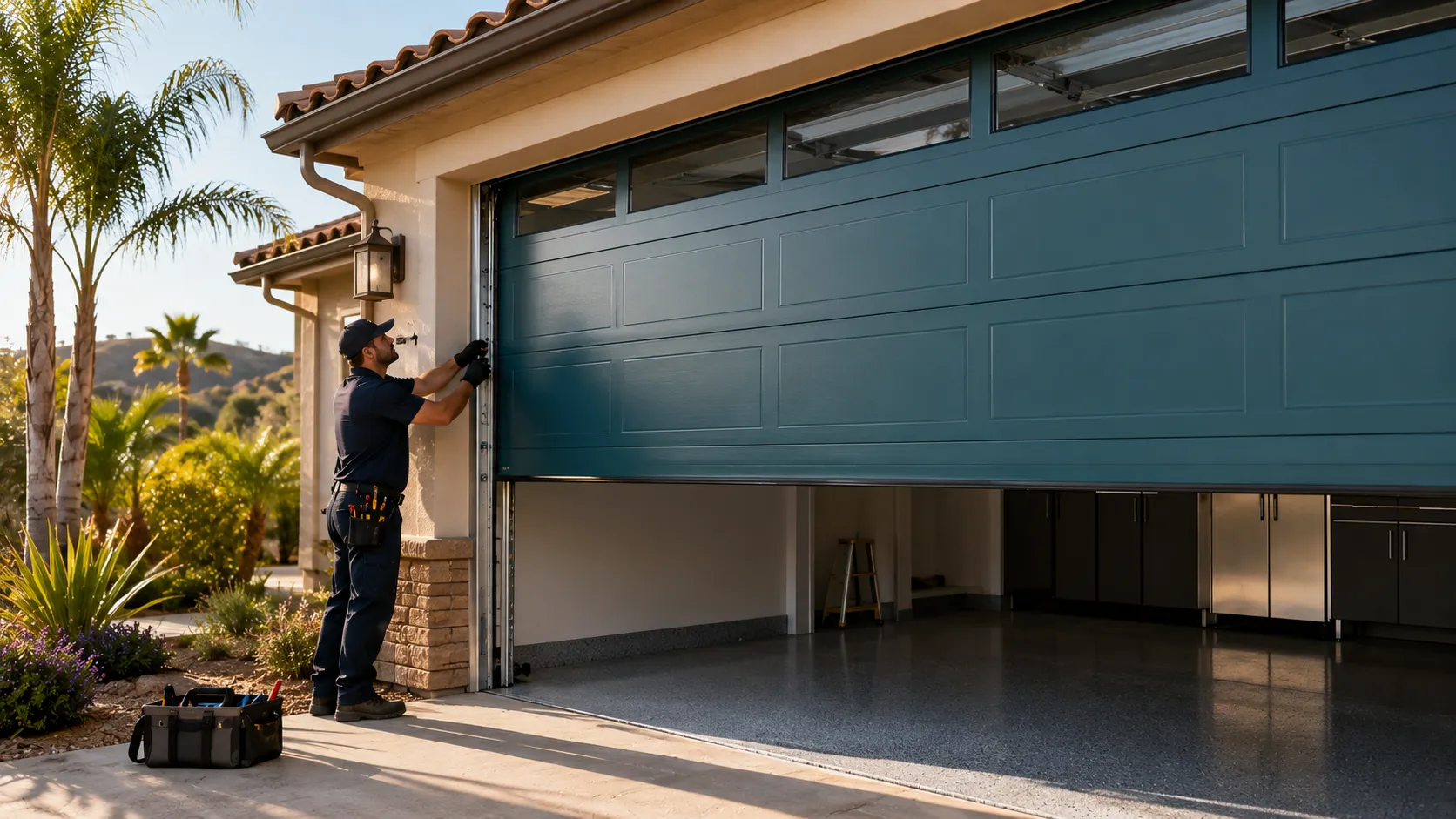
A technician tests the door under power and by hand and finds what actually failed.

Clear, up-front plan - Kansas City garage door service

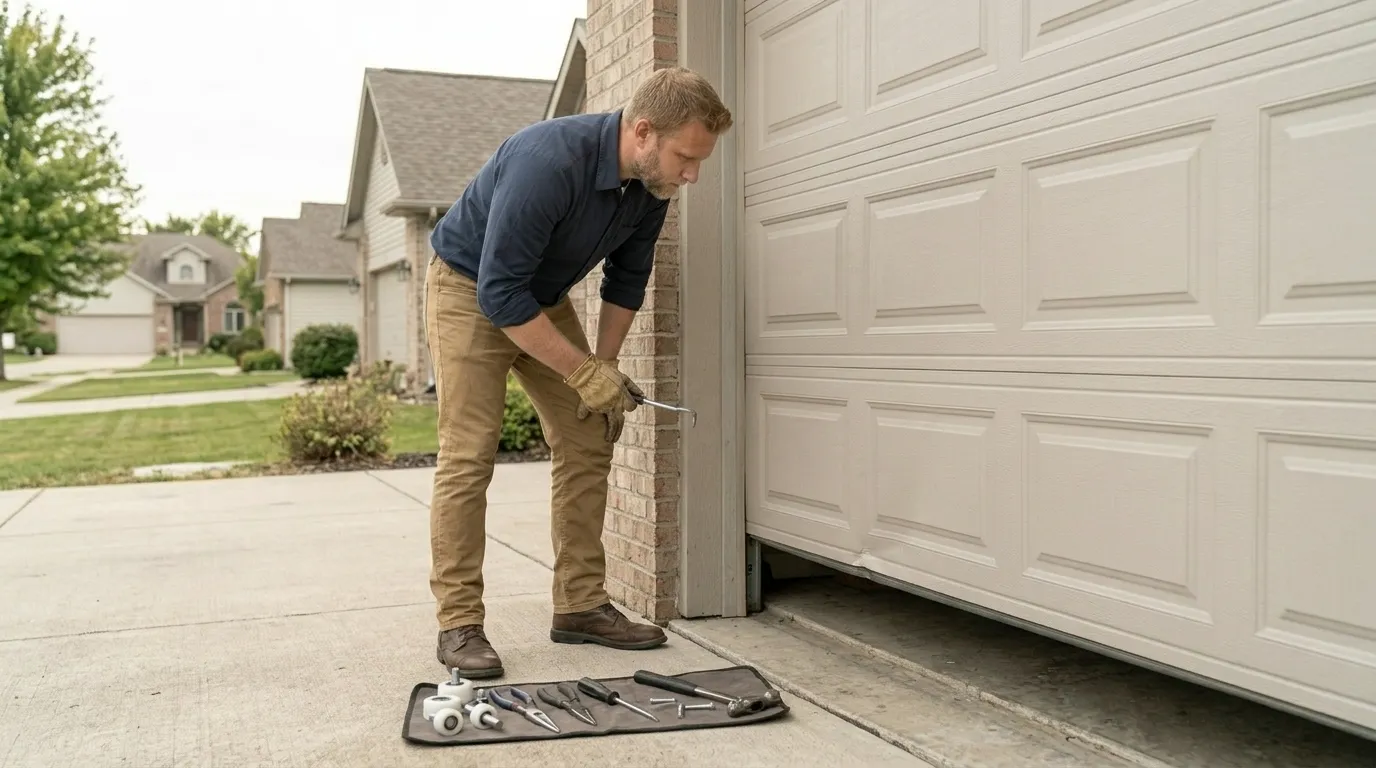
Clear, up-front plan

You get the fix that’s needed and what drives the cost - before any work starts.

Repaired & tested - Kansas City garage door service

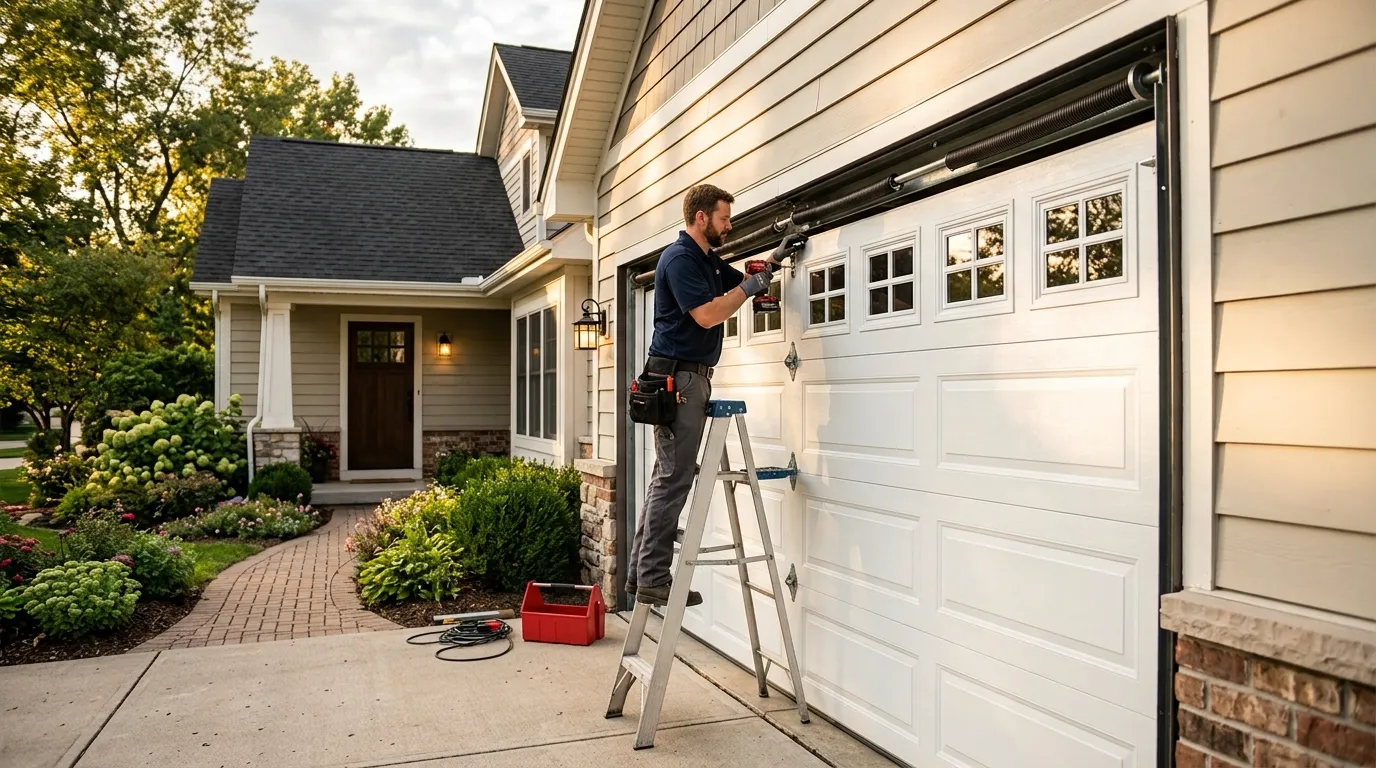
Repaired & tested

The repair is done, the door is set true and tested, and the work area left clean.

Serving Kansas City, MO - tell us what your door’s doing and we’ll take it from there.

How we work

What to expect

Diagnosis first

Every visit starts by finding what actually failed - not a pre-written parts list.

The right part for the door

Springs and openers matched to the door’s weight and age, so the fix holds up.

Straight answers

When a repair makes more sense than a replacement - or the reverse - you hear it plainly.

Clean, careful work

Tension released safely, hardware set true, the door tested under power before we leave.

What we do

Garage Door Services

Repair and installation work for Kansas City homes and businesses.

Garage Door Repair in Kansas City

Garage Door Repair

Garage door repair in Kansas City for houses built 1951-2002, from broken springs to openers that fail in severe cold. Straight fixes, fair prices, no upsell.

Learn more
Garage Door Installation in Kansas City

Garage Door Installation

Most Kansas City homes date from 1951 to 2002, with openings built for lighter doors. Here's what installing a new door involves, costs, and why fit matters.

Learn more
Garage Door Service in Kansas City

Garage Door Service

Kansas City's 1960s-70s housing stock and severe cold winters wear out original springs and openers fast. Here's how that failure shows up and what fixing it involves.

Learn more
Opener Repair in Kansas City

Opener Repair

Opener repair for Kansas City homes built mostly between 1951 and 2002, where cold winters and aging drive systems wear out openers faster than newer suburbs.

Learn more
Cable Repair in Kansas City

Cable Repair

Broken or frayed garage door cables on Kansas City homes built between 1951 and 2002. We diagnose the cause and replace cables the right way, not just the symptom.

Learn more
Off-Track Repair in Kansas City

Off-Track Repair

Off-track doors are common in Kansas City's 1960s-70s housing stock and cold winters. See how the fix works and why it happens here more than most places.

Learn more
Commercial Garage Door in Kansas City

Commercial Garage Door

Commercial garage door repair for warehouses, shops, and industrial buildings across Kansas City, tied to the metro's building stock and cold-severe winters.

Learn more
Emergency Garage Door Repair in Kansas City

Emergency Garage Door Repair

Broken spring or stuck door at 6am? We fix emergency garage door failures across Kansas City's older housing stock, built mostly 1951-2002, in cold-weather conditions.

Learn more
Questions

Frequently asked

Straight answers about garage door repair in Kansas City. Still unsure? Ask us directly.

Is my garage door actually insulated if the house was built in the 1970s?

Not necessarily. A lot of Kansas City's housing stock dates to the median build year of 1973, before insulation standards for garage doors were common, so a door from that era is often single-layer steel with no foam core, whatever the panel style suggests from the outside.

Why does my door get harder to open in the winter here?

This area sits in a COLD severe climate band. Cold steel contracts, rollers and hinges stiffen, and springs lose some of their lift, so the opener has to work harder to move the same door it handled easily in warmer months.

Should I replace old torsion springs myself?

No. Torsion springs on the older side-mounted hardware common in this area's 1960s-70s housing stock hold enough tension to cause serious injury if the winding process goes wrong. That's the one repair we always tell owners to leave to a call, not a DIY attempt.

How do I know if my door's problem is worth fixing versus replacing?

It depends on the door's age and how much of the original hardware is still on it. A door that's dragging or noisy but structurally sound is usually a repair. A door with worn-out panels and hardware from the original build is often better replaced than patched piece by piece.

Ready to get your garage door sorted?

Tell us what it’s doing and where you are in Kansas City - we’ll take it from there.

Request a QuoteCall