
Stocked Parts
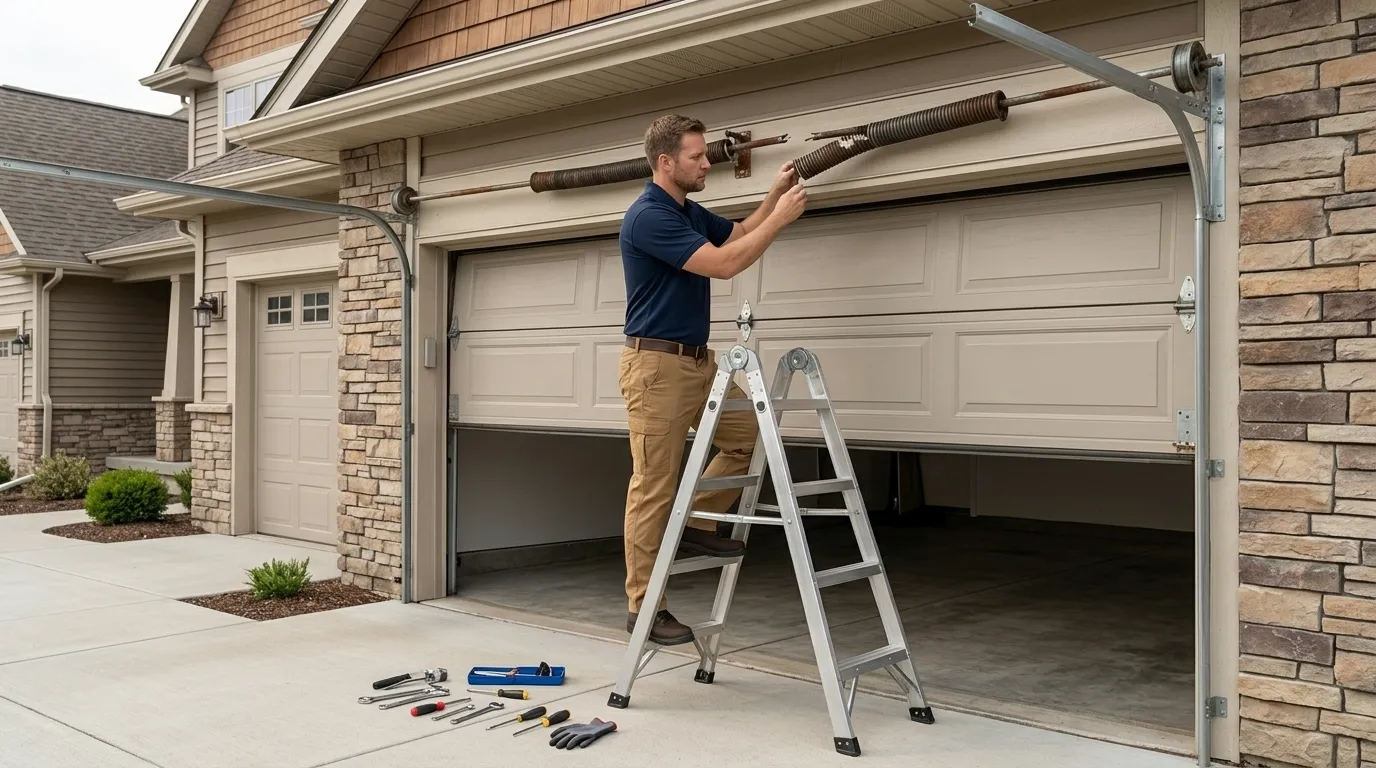
A door in North Kansas City is almost always a steel section door hung on a torsion spring, put up somewhere around 1974 when this stretch of the metro area was filling in fast. That's the era this pocket of town belongs to - most of the housing stock here dates from the early 1970s, a few years past the wider service area's 1973 median. The doors are single-layer steel, narrower tracks than what goes into new builds, and the torsion springs are wound for a lighter panel than today's insulated doors. We carry standard torsion springs, steel rollers, and the drums and cables sized for that older track width, because that's what shows up on almost every call in this stretch. What we don't carry on the truck is anything custom - a door with a non-standard width or a wood door someone put in later. Those get ordered, and that can mean a short wait while a distributor ships the part. We'll tell you up front if that's what you're looking at rather than promise a fix that isn't sitting in the truck.
How It Shows Up
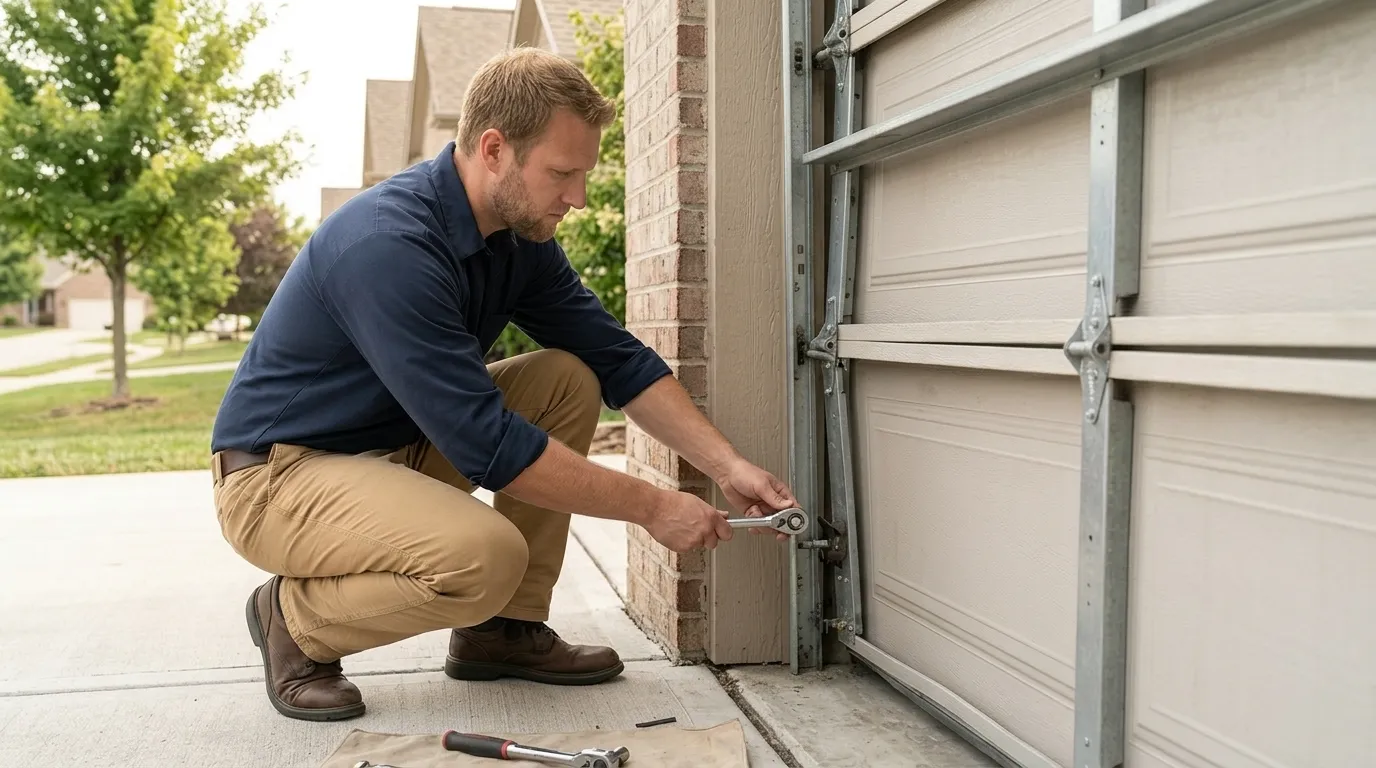
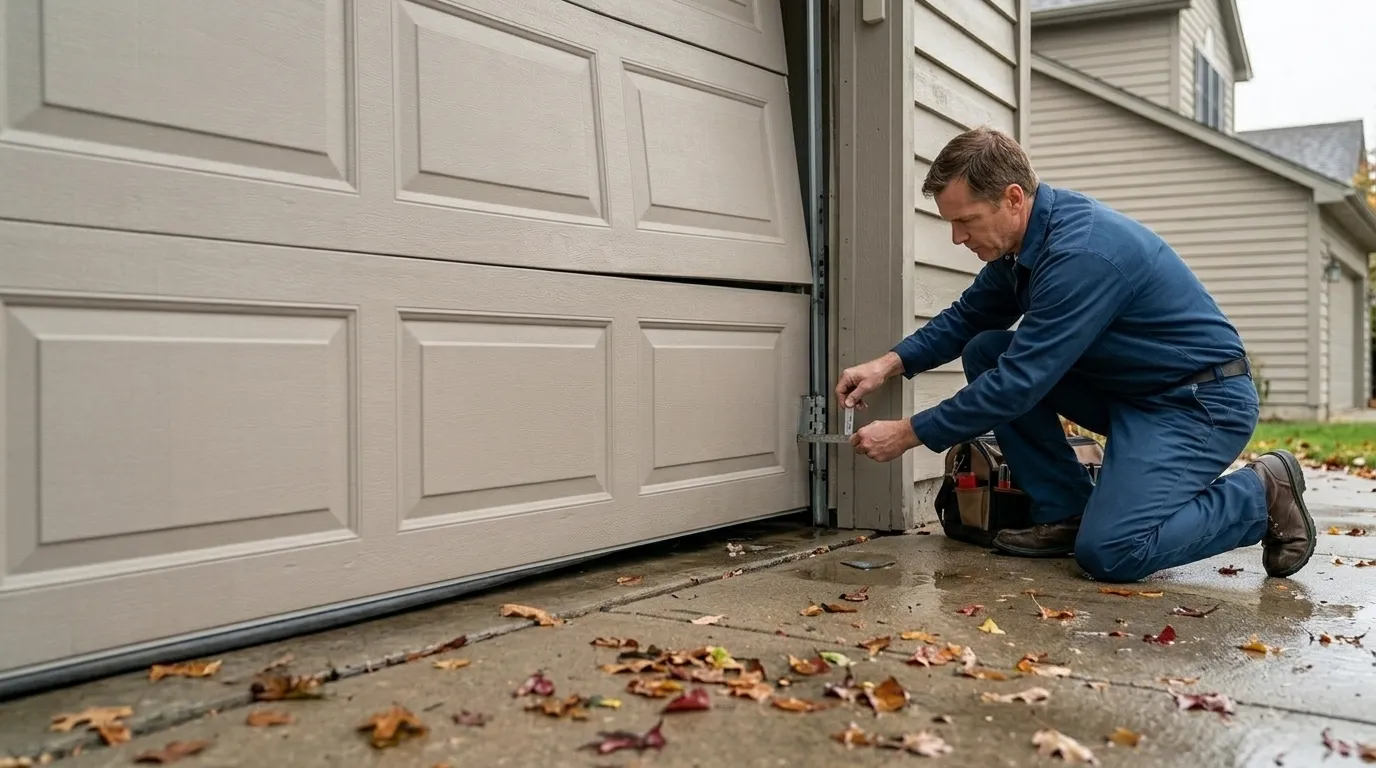
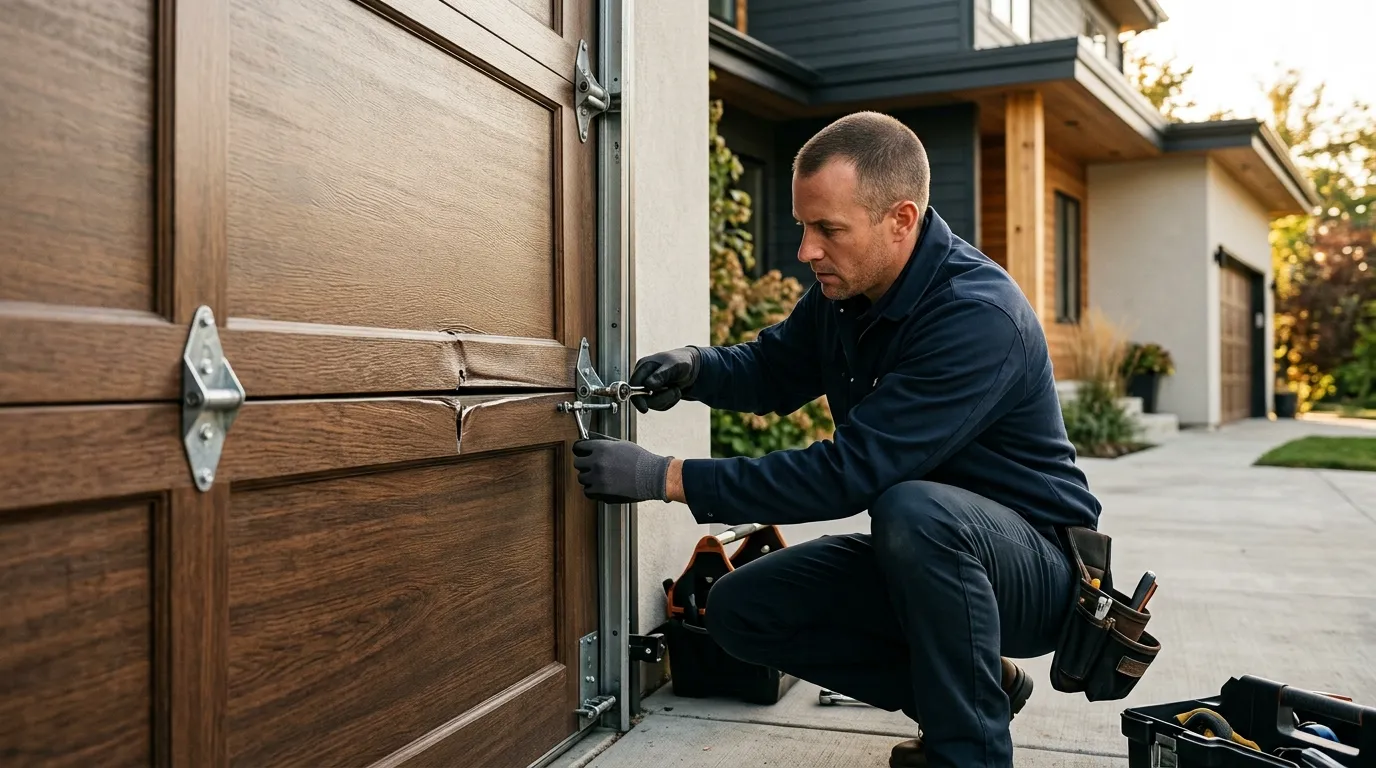
The most common call is a spring that lets go with a bang, usually first thing on a cold morning, and the door won't lift or only lifts partway before the opener strains and stops. Close behind that is a door that reverses itself right after the floor, which on a torsion setup this age usually means the spring has lost enough tension that the opener's force sensor reads it as an obstruction. You'll also hear it before you see it - a grinding or scraping from the top of the door as steel rollers, original to the house, wear grooves into tracks that have never been replaced. On the opener side, a chain-drive unit from the same build period will often run but not pull, slipping on a stripped sprocket, or it'll hum without moving the door at all. Less dramatic but just as common: a cable that's frayed at the drum and about to jump off, which usually shows up as the door hanging crooked, one side lower than the other, right before it fails outright.
Doing It Yourself
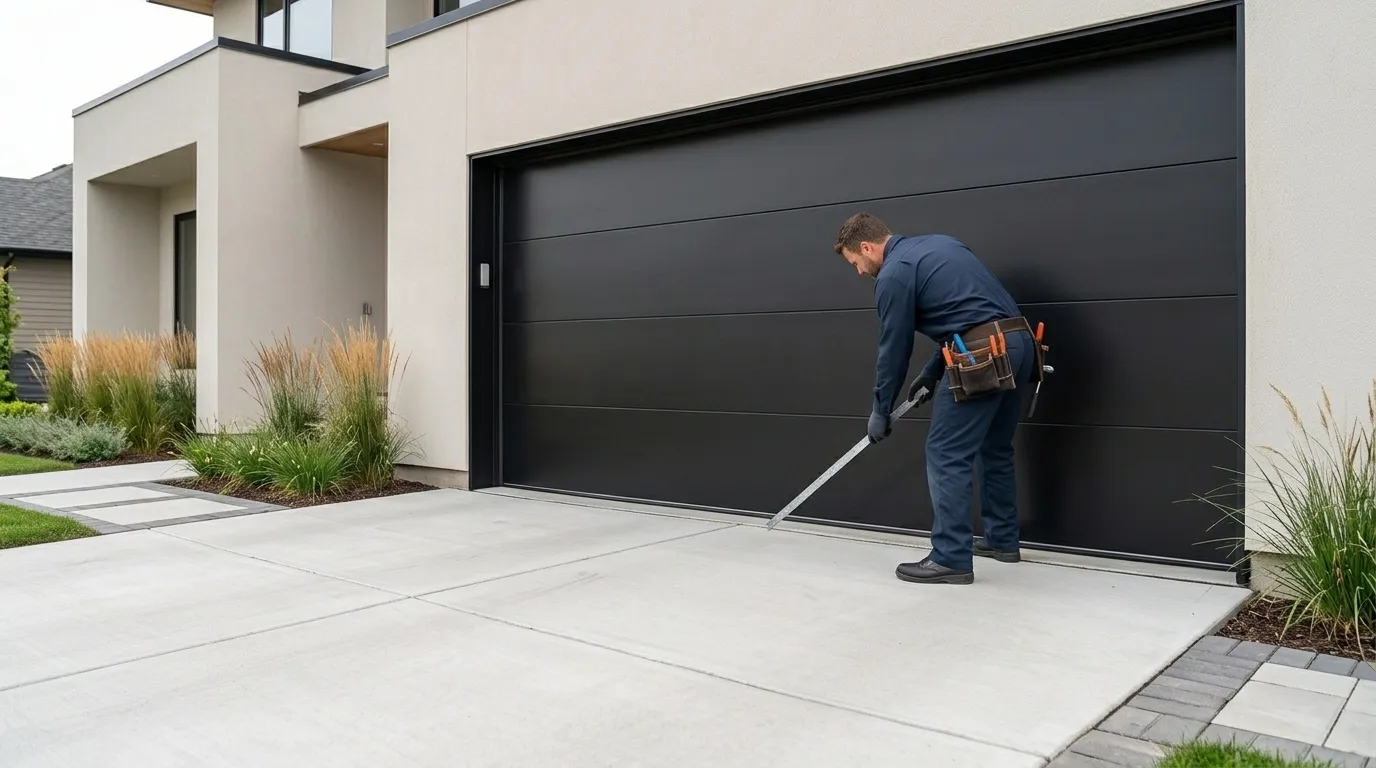
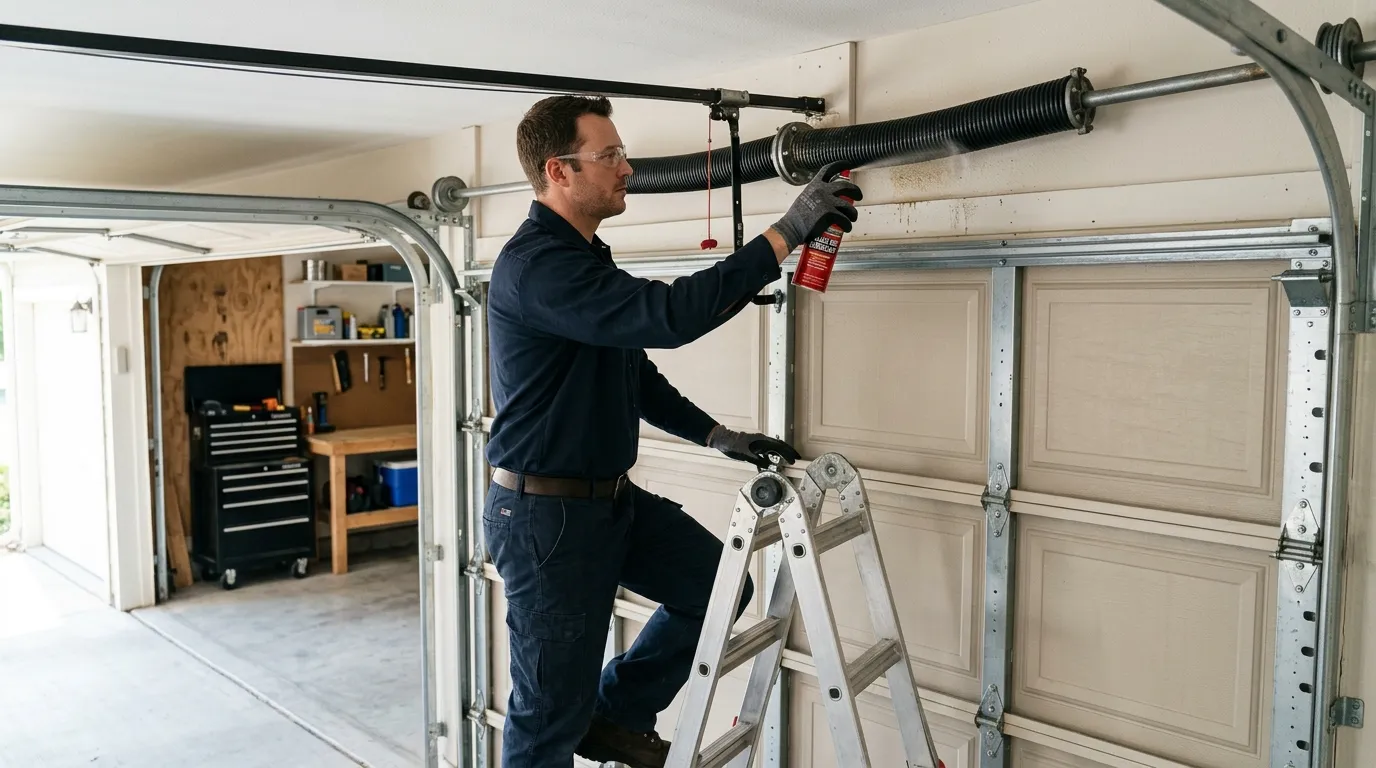
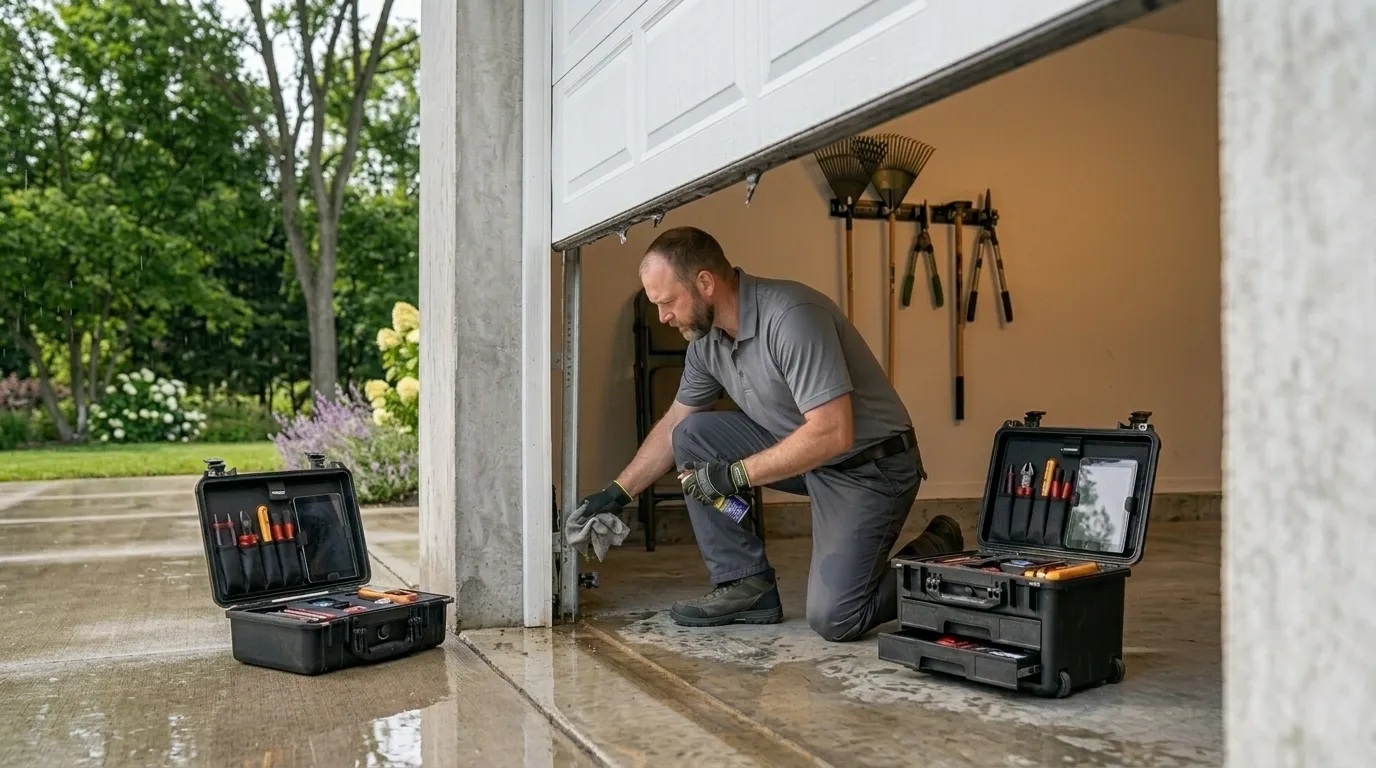
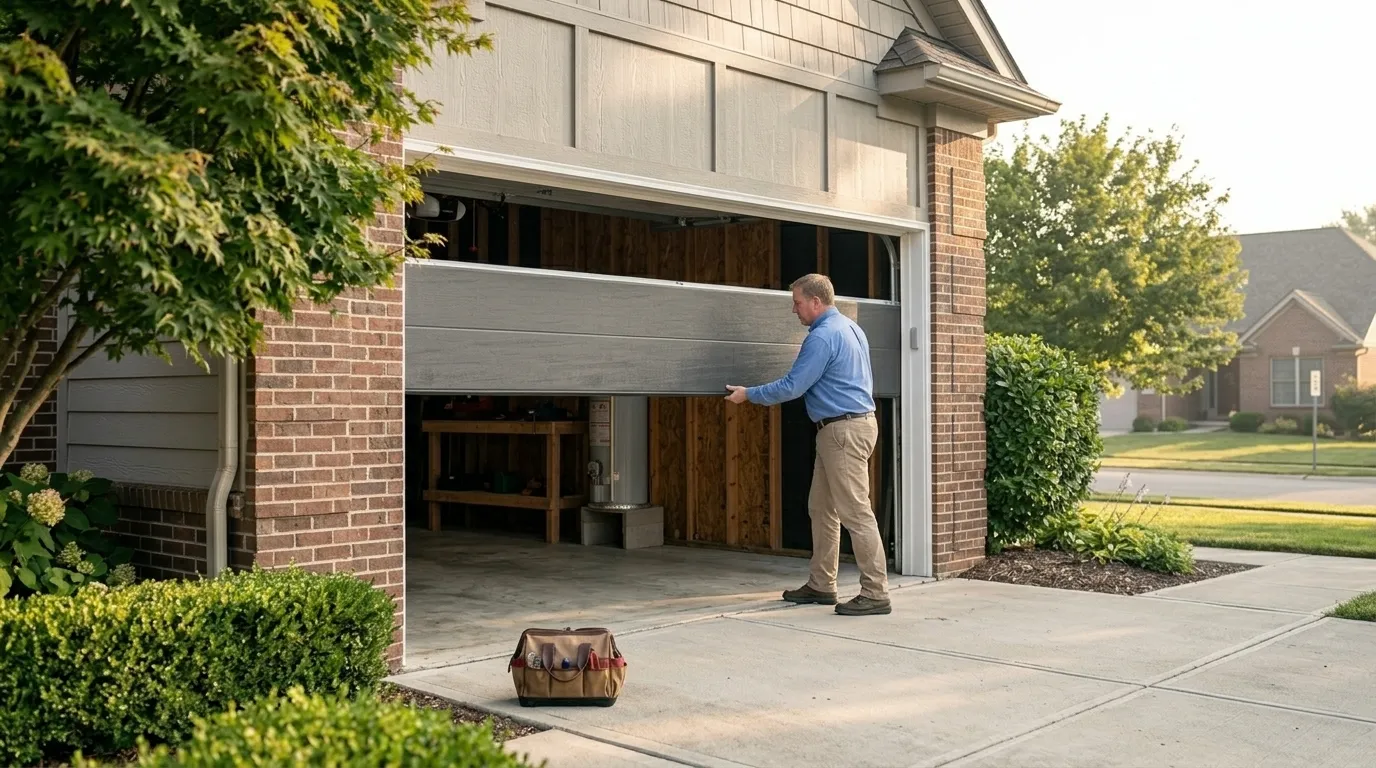
There's a limit to what's safe to touch on your own, and a torsion spring is past that limit no matter how straightforward it looks. A wound spring holds enough stored force to break a wrist or worse, and that's true whether it's new or original to a 1974 build. What you can safely check yourself: the tracks for visible dents or gaps, the rollers for cracking or heavy wear, and whether the door is balanced - disconnect the opener, lift the door halfway by hand, and see if it holds. If it drops or shoots up, the spring tension is off and that's a call, not a DIY job. You can also lubricate hinges and rollers with a light garage-door lubricant, which is cheap and genuinely extends the life of original hardware. What we won't tell you to do is replace a spring, cable, or drum yourself - that's the one honest line we draw, and it's not a sales pitch, it's the part of this job that hurts people who try it without the right bars and clamps.