
Stocked Parts
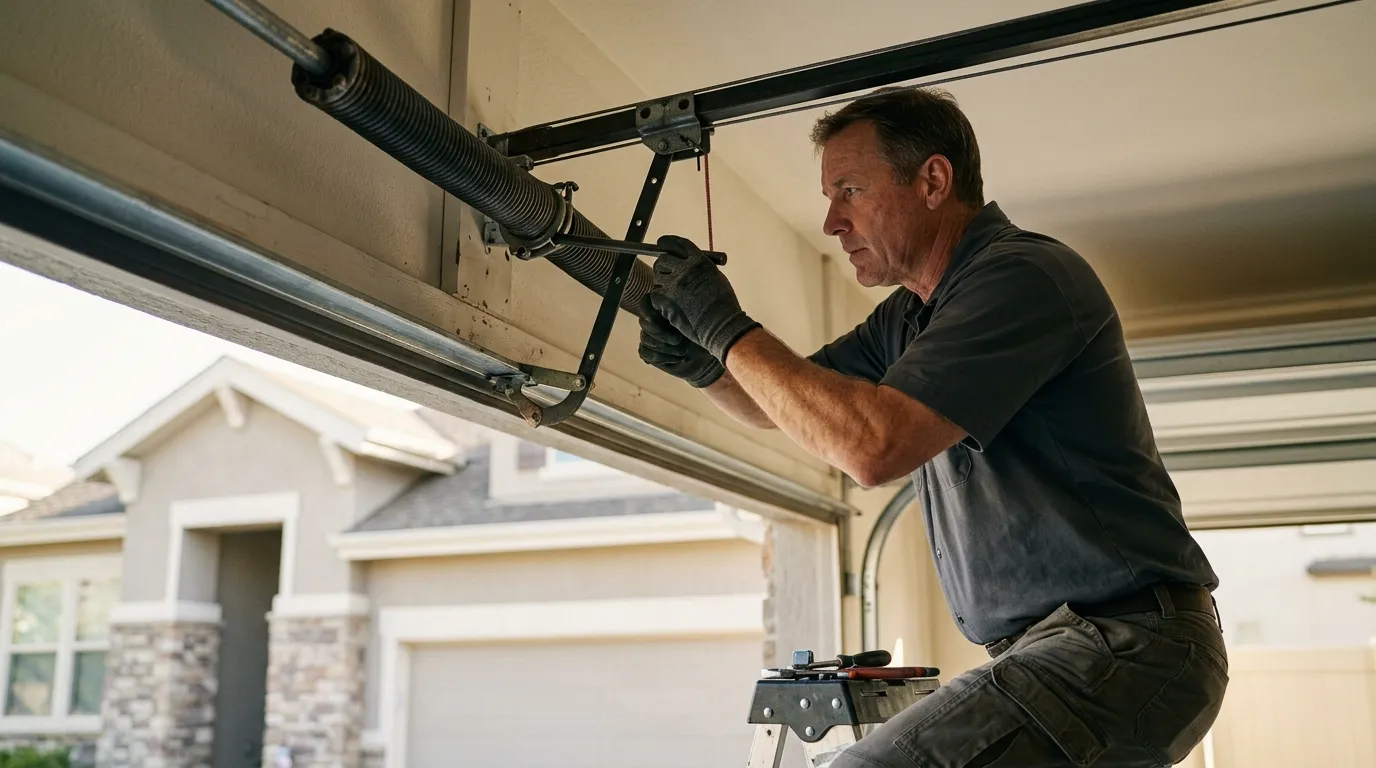
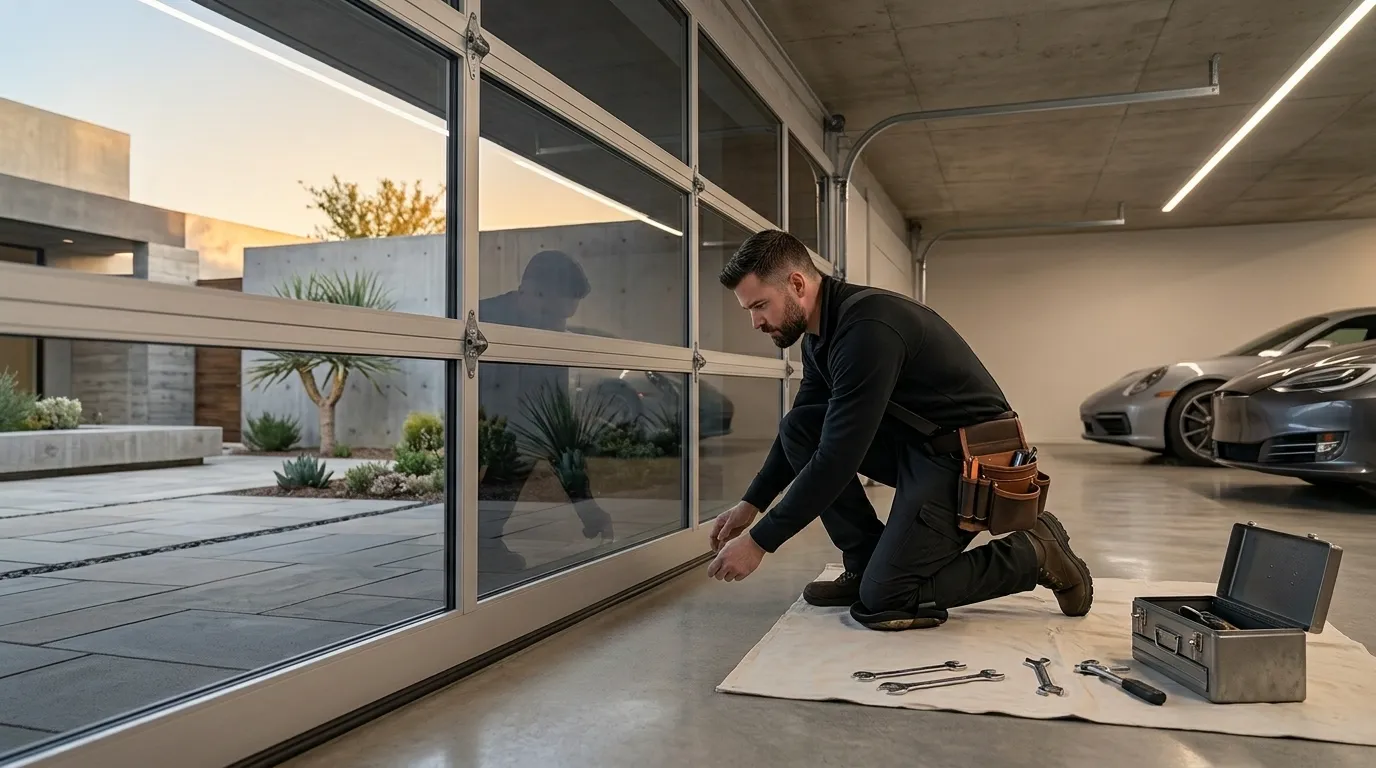
Most commercial buildings in North Kansas City went up around 1974, right in the thick of the wider area's 1951-2002 construction run. That matters for parts. A steel sectional door installed when a warehouse or shop first opened is very likely still running its original torsion spring setup, the same steel rollers, and cable that's never been swapped - because nobody replaces what still moves, until it doesn't. We carry torsion springs sized for the door widths that era of commercial construction favored, plus extension springs for the older counterweight setups some of these buildings kept. We stock standard-lift cable, galvanized rollers, and the hinges and struts that fail first on a fifty-year-old sectional door. What we don't stock on the truck is anything custom - oversized doors, unusual track configurations, or openers tied to older proprietary control boards. Those get ordered once we've seen the door in person, not guessed at over the phone.
How It Shows Up
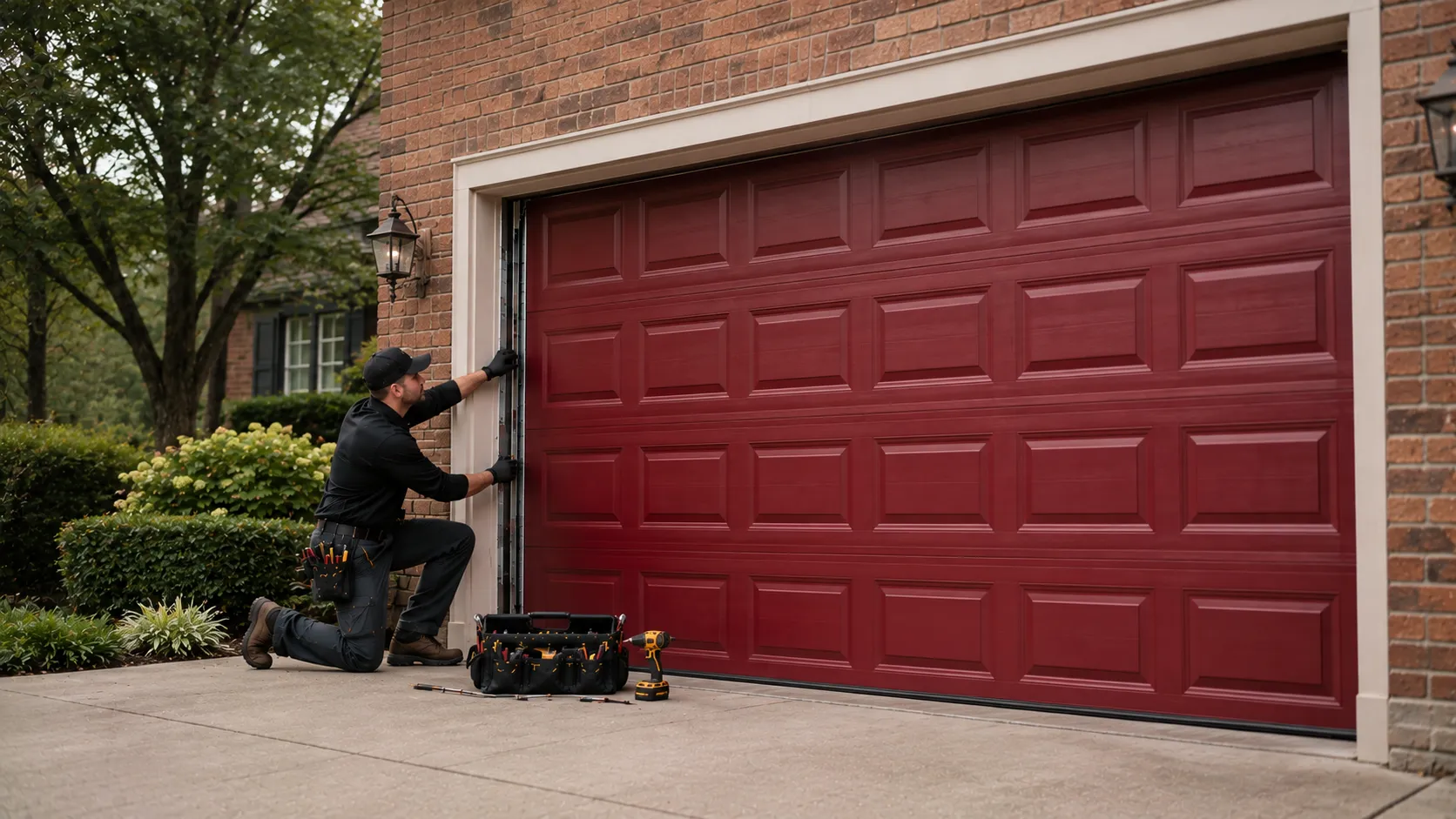
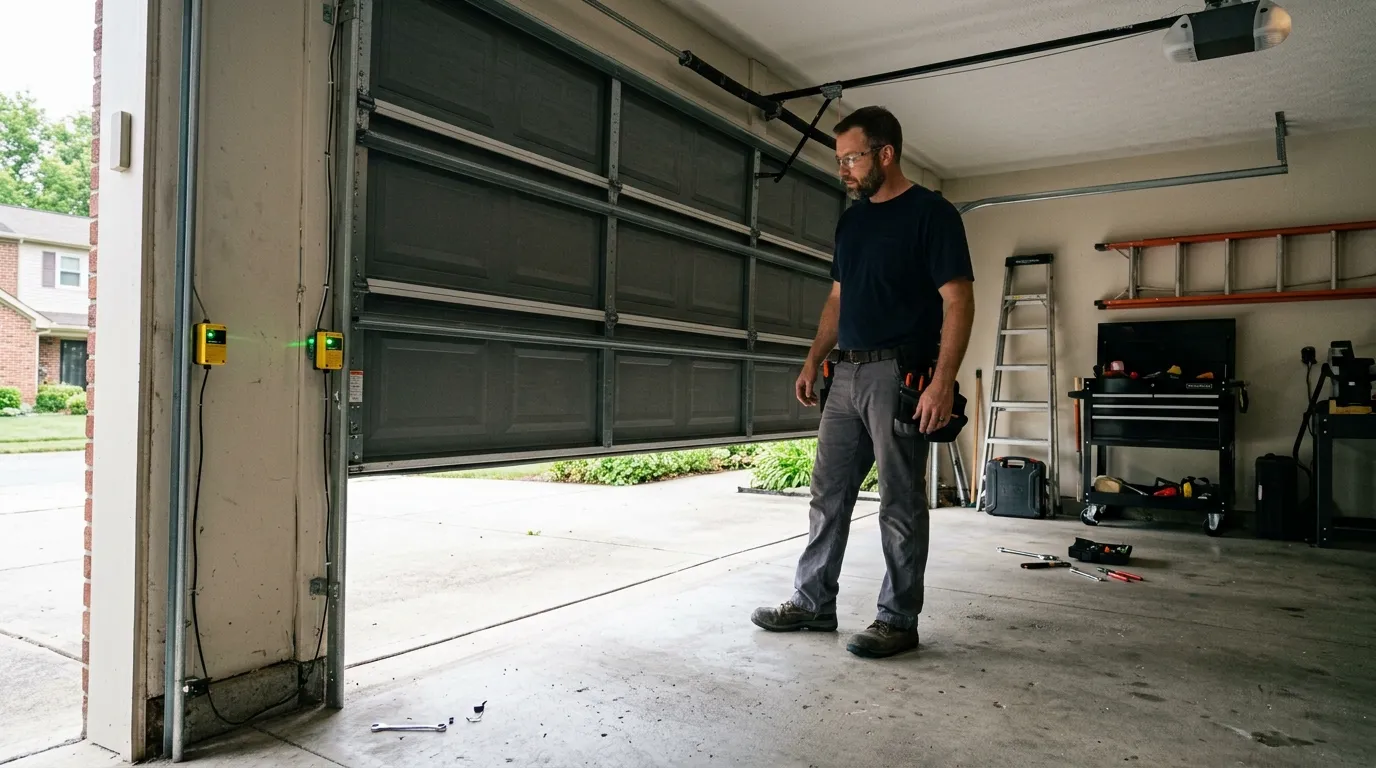
The door doesn't announce itself with a bang, most of the time. It starts as a door that closes slower than it used to, or an opener that strains and hums for an extra second before the door moves. On a cold morning after a hard freeze, a torsion spring under decades of fatigue can let go entirely - the door drops fast, or it won't come off the floor at all because the spring's no longer carrying its share of the weight. Track bolts loosened by fifty years of thermal cycling let the door rack sideways in the opening, so it binds on one side before it binds on both. Cables fray at the drum first, which shows up as a door that shudders on the way up. None of this is unique to any one building here - it's what you'd expect from stock built around 1974 running through another cold season without anyone having looked at the spring since it went in.
Doing It Yourself
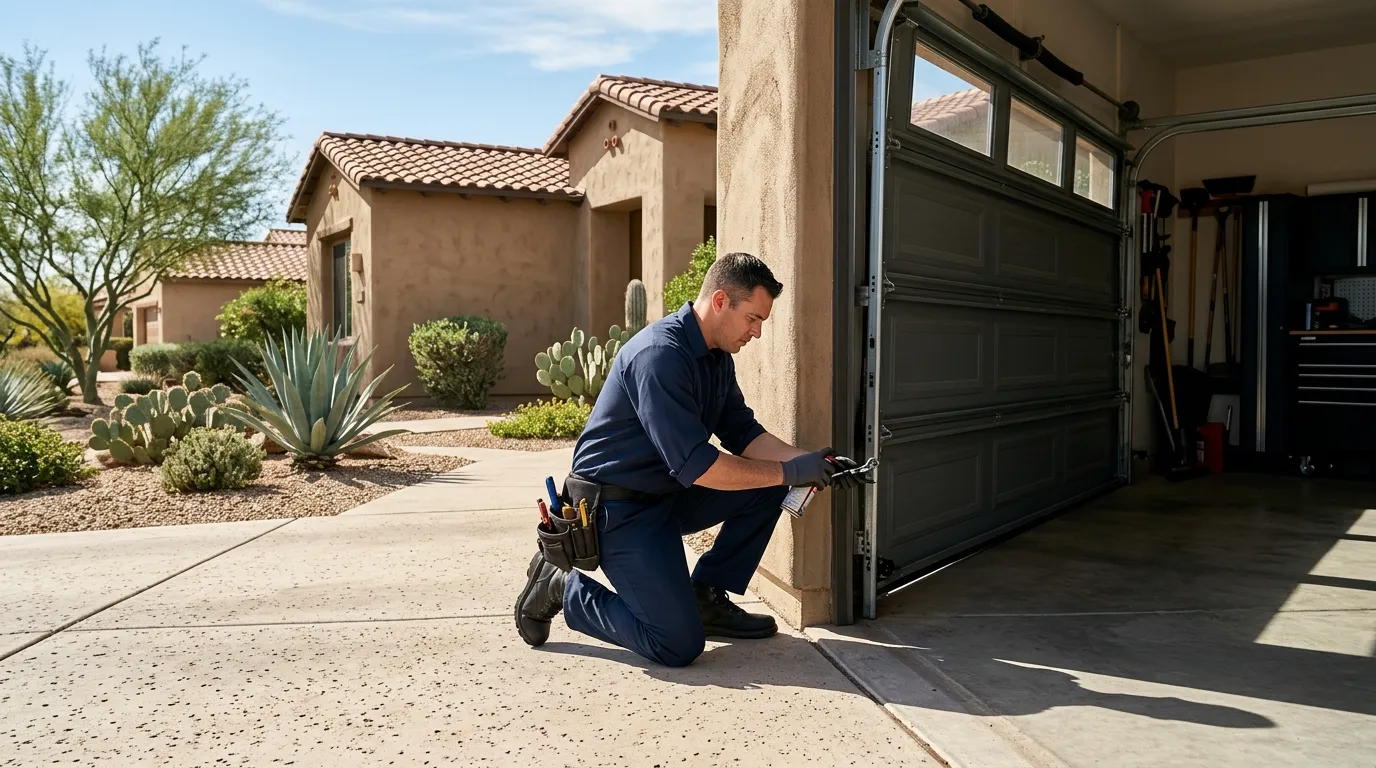
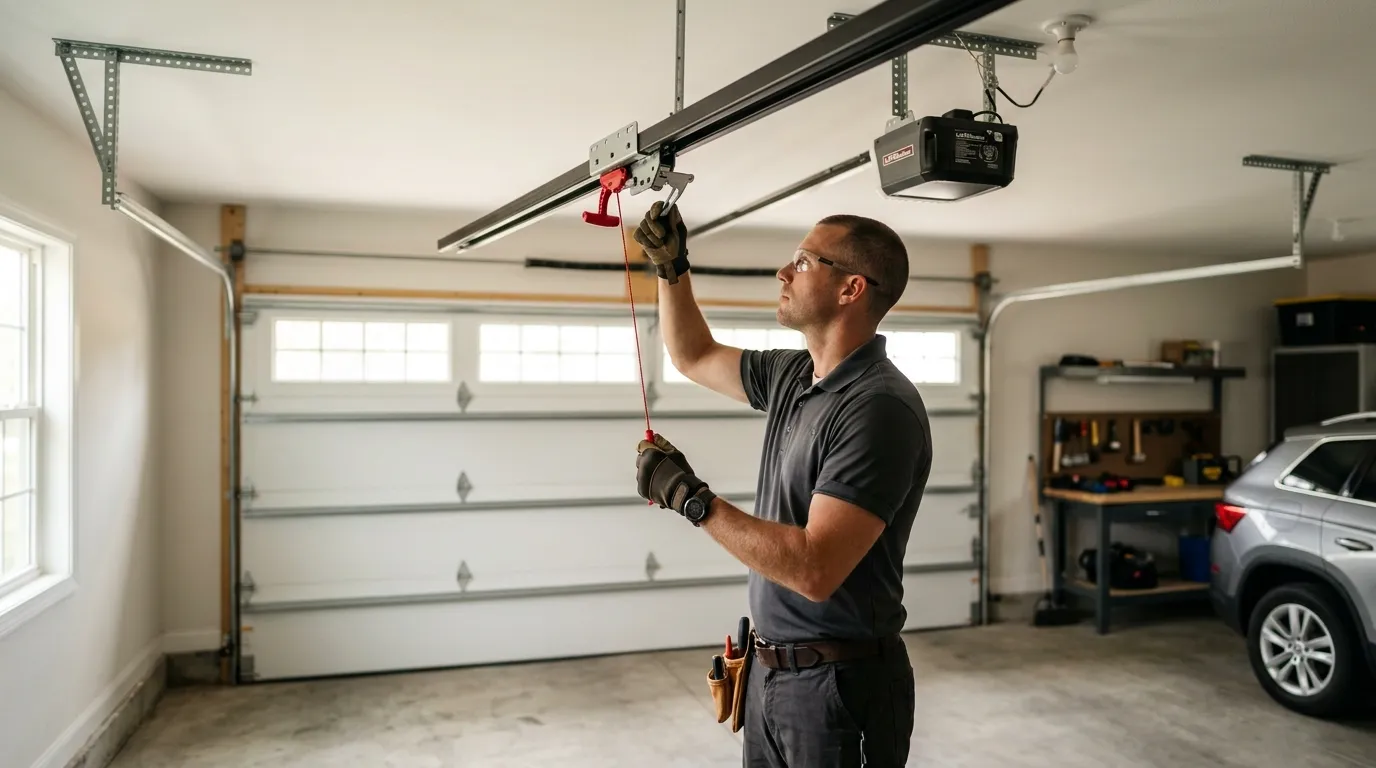
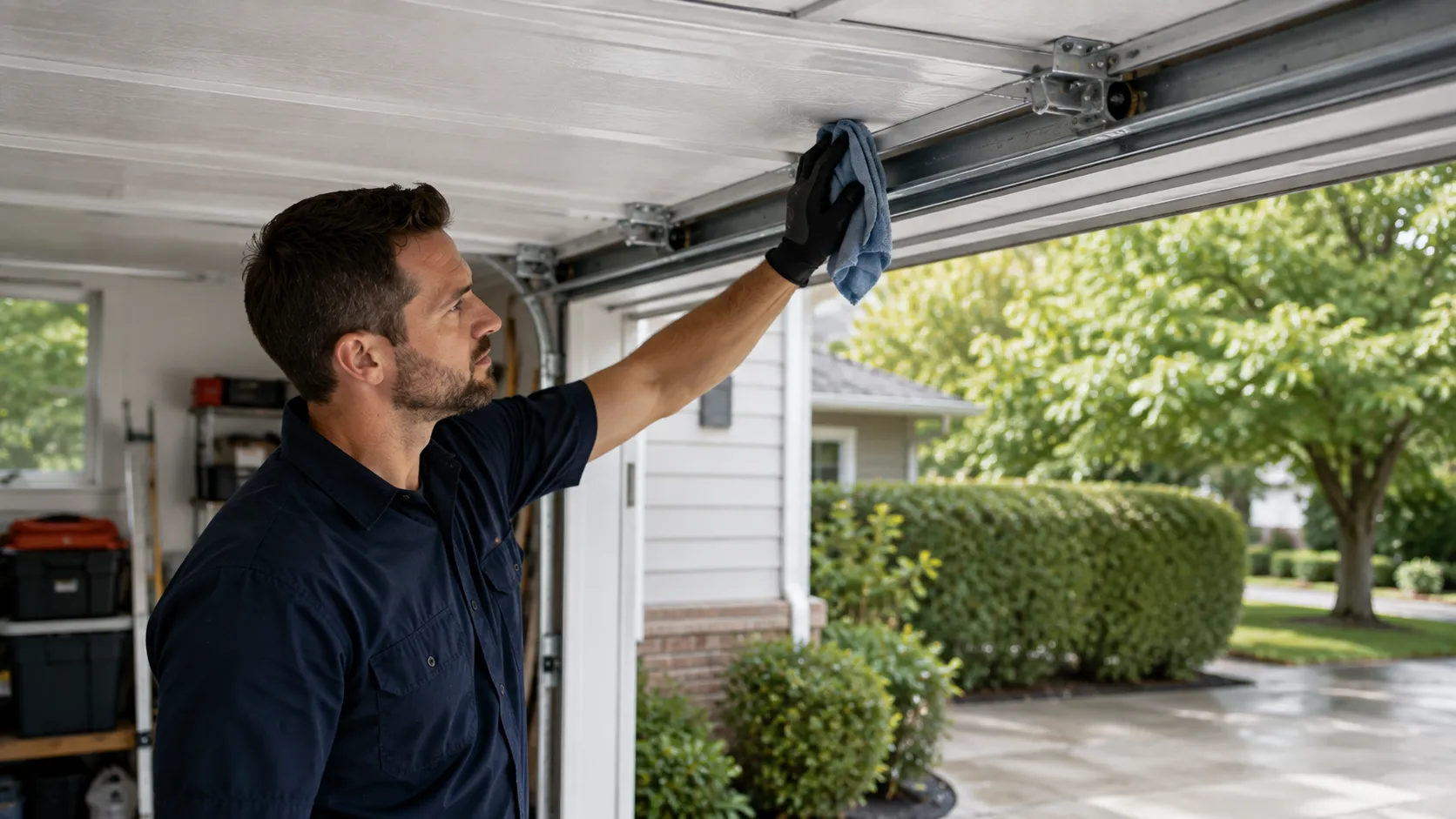
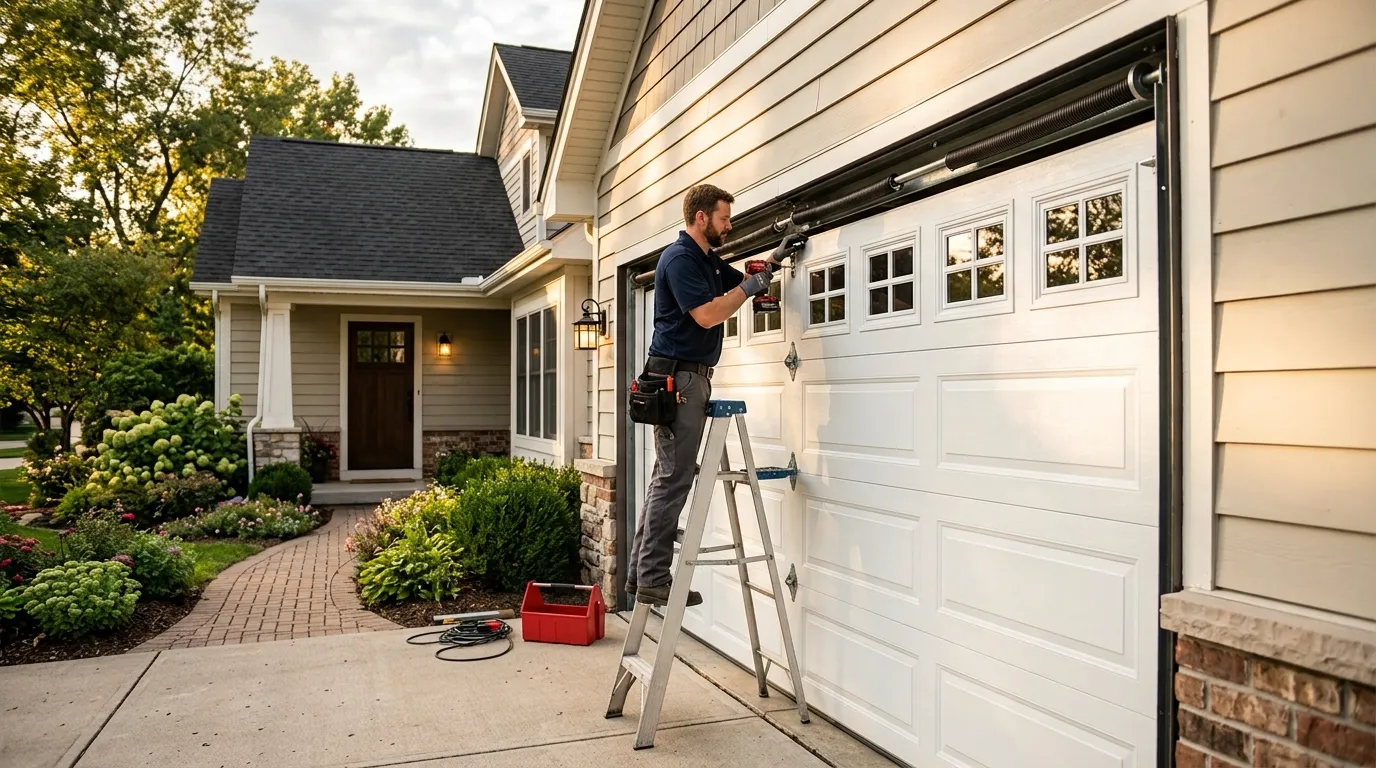
There's a real limit to what you should touch yourself on a commercial door. Lubricating hinges and rollers with a light oil, checking that the track bolts are snug, and clearing debris from the track are fine to handle without a call. Listening for a new grinding or scraping sound and catching it early is worth doing on a regular walk-through. What you should not do is loosen or adjust a torsion spring, or try to force a door that's binding partway up - a spring holding fifty years of cumulative fatigue can let go with enough force to break a wrist or worse, and there's no way to eyeball how much life it has left. If the door won't move, or moves unevenly, or the opener is straining, that's a call, not a weekend project. We'd rather talk you through a five-minute fix over the phone than have you find out the hard way what a wound spring does when it slips.