What It Costs
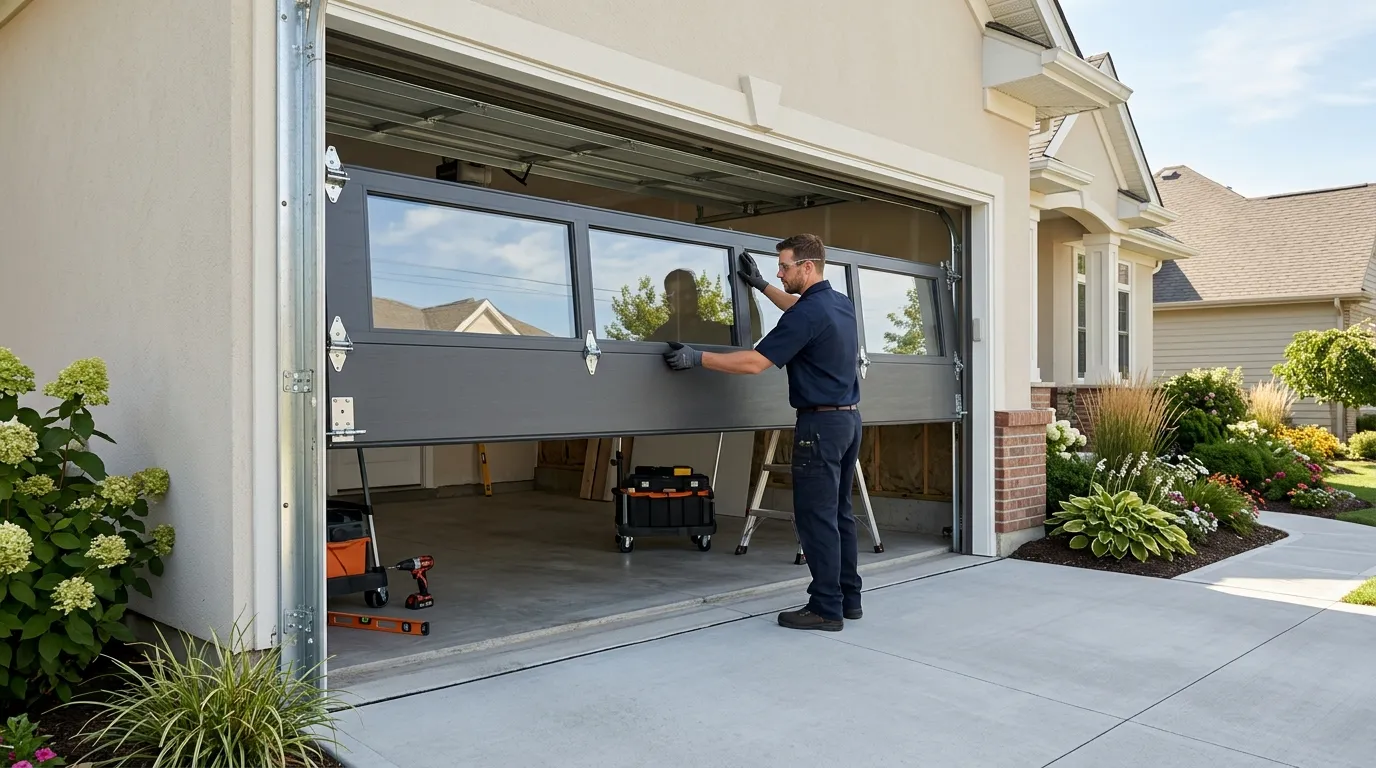
We can't quote a number here without seeing the door, and we won't pretend otherwise. What we can tell you is what drives the cost on a Raytown job specifically. Most houses in this pocket of the metro went up around 1963, which means a lot of openings are still sized to a single 16-foot or two 9-foot layout from that era - not the wider modern openings you'll see in newer subdivisions. If your framing hasn't been touched since the house was built, we may need to adjust jamb hardware or add a new header seal to fit a current door into an old opening. That's labor most newer-build towns don't need. Insulation is the other cost driver worth naming: this area sits in a cold-climate band with real winter swings, so an uninsulated single-layer door that made sense in 1963 is a different animal than a modern polyurethane-core door. Swapping one for the other changes the number more than the door itself does. We'll walk the opening with you and give you the real figure once we've seen it, not before.
Getting It Booked In
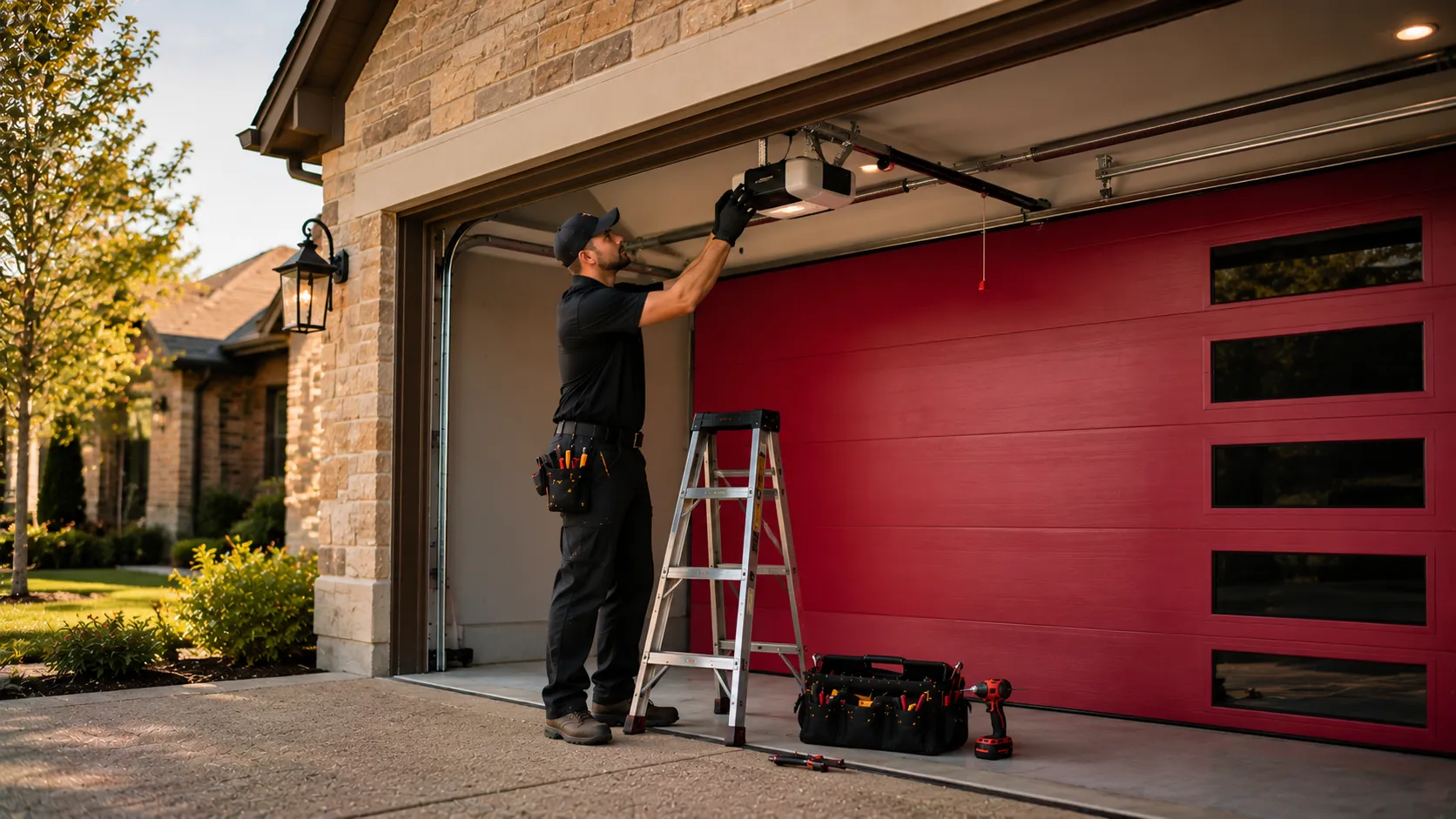
We run out of Kansas City and cover Raytown as part of that service area, about 10 miles out. Because we're traveling in rather than working from a depot in town, booking works best when you can tell us the door size, the number of panels, and whether you want insulated or non-insulated when you call - it lets us bring the right stock on the truck the first trip instead of a second visit. If you already know your opener is original to the door, mention that too; a lot of Raytown installs end up replacing both because the drive gear on a decades-old opener won't outlast a new door by more than a season or two.
Stocked Parts
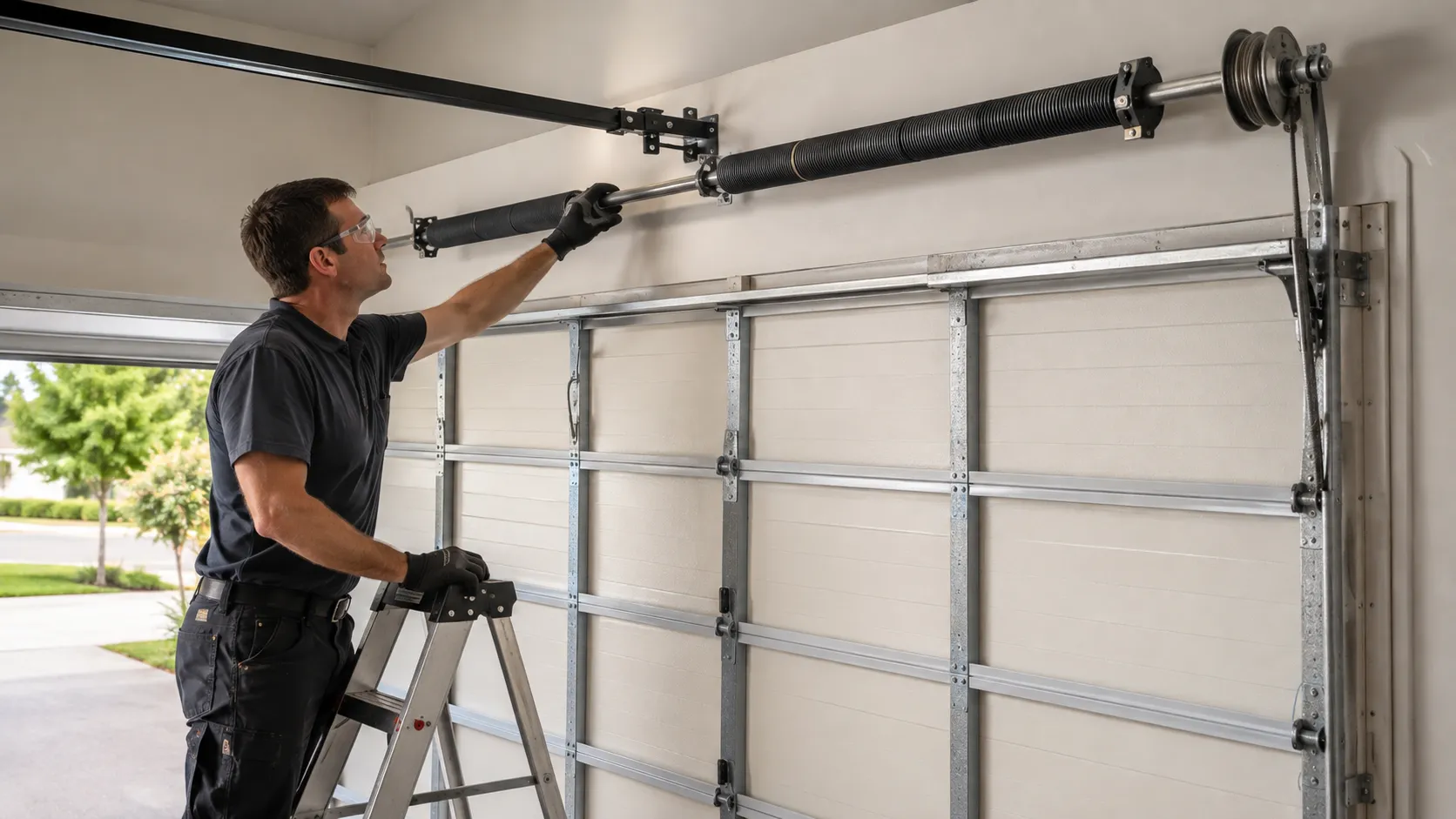
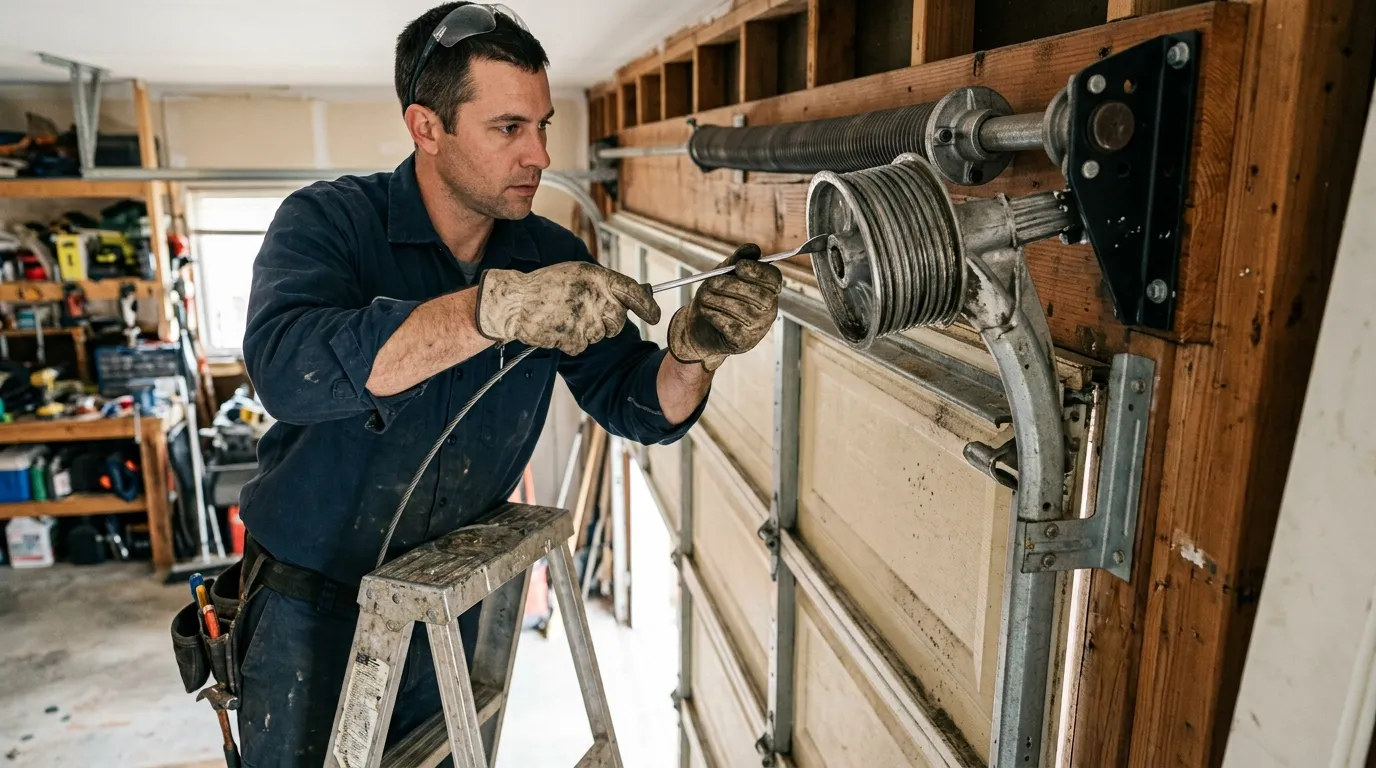
We carry standard-width insulated sections, common torsion springs, and current-generation openers on the truck, because those cover the bulk of what a metro area with mid-century housing stock actually needs. What we don't keep on hand: oddball custom widths, discontinued panel profiles, and the specific low-headroom track kits that some older Raytown garages need if the ceiling joist sits lower than a modern build allows. If your opening needs one of those, we're ordering it, and that adds lead time we can't promise away. Worth knowing before you book, not after.
The Complications
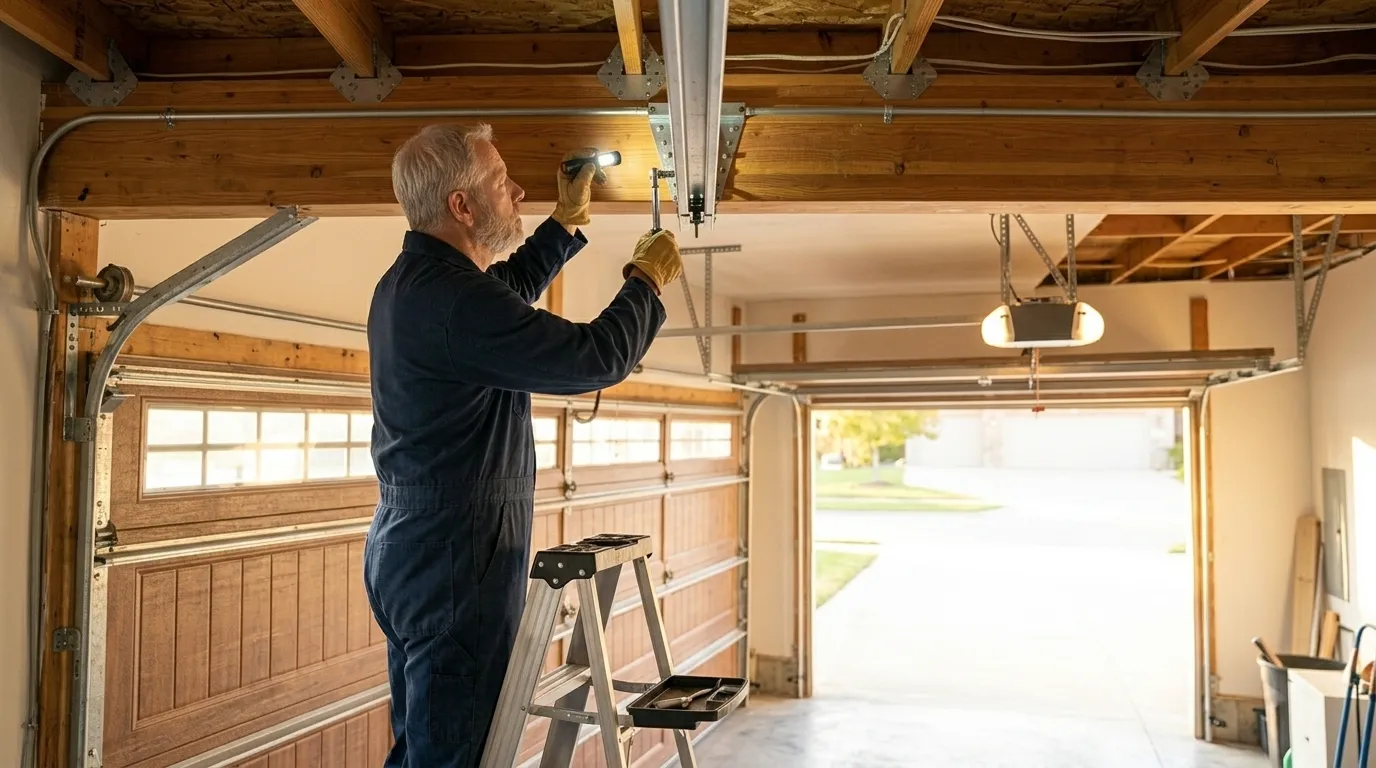
The complication specific to a 1963-era Raytown house is headroom. A lot of garages from that build year were framed with less clearance above the door than current codes assume, because nobody was running a modern extension-spring or high-lift track kit through that ceiling in 1963. When we install a new door, we sometimes find the low-headroom kit is the only track configuration that clears the joist - and that's a special-order part, not something on the truck. The other complication is the opener bracket. Original 1960s garages were framed for a door, not for an opener; if yours was added later, the header may need reinforcing to carry a new opener's pull without sagging over time. Neither of these is unusual for this area. Both add a return trip if we don't know about them going in.