What It Costs
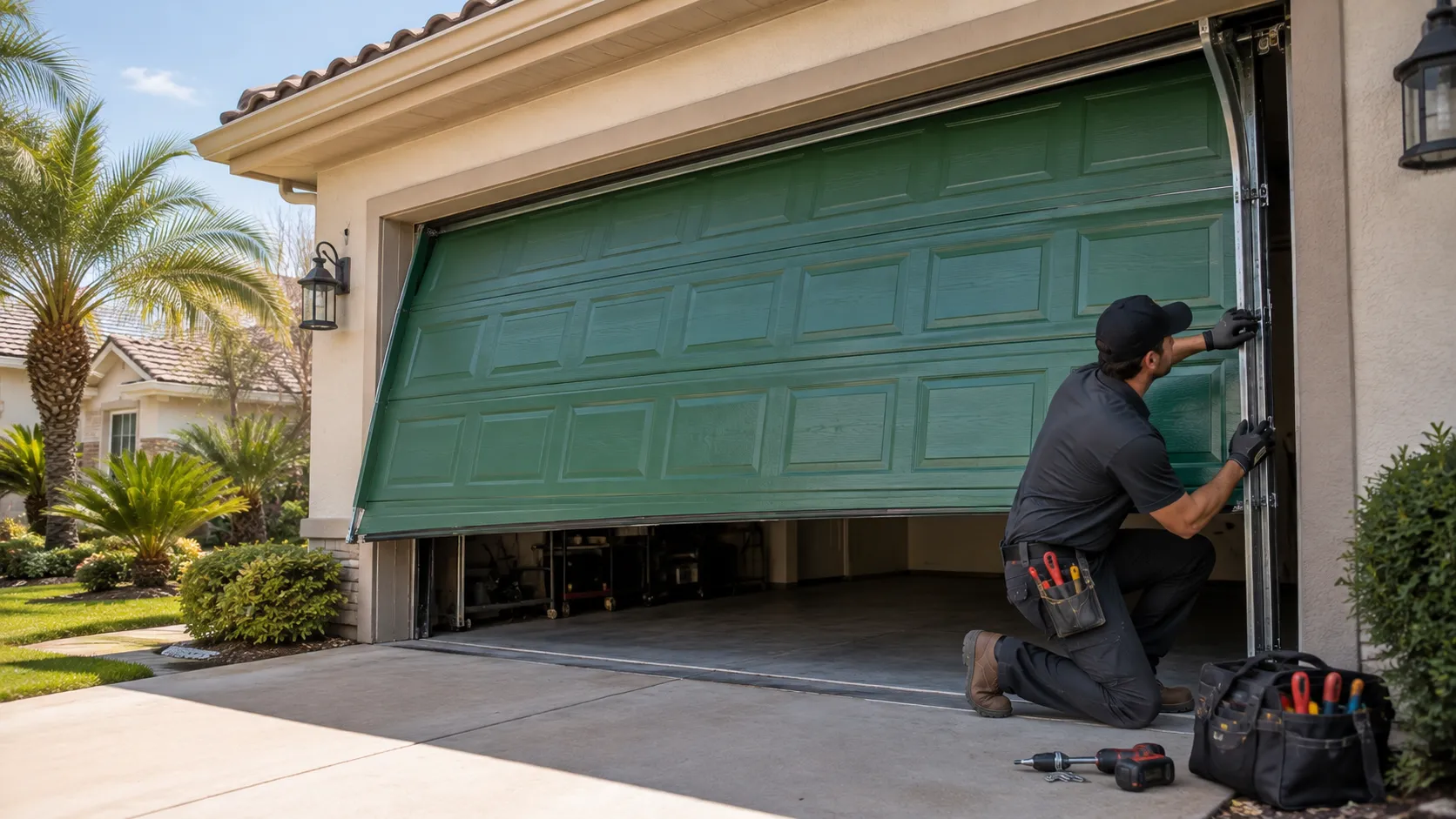
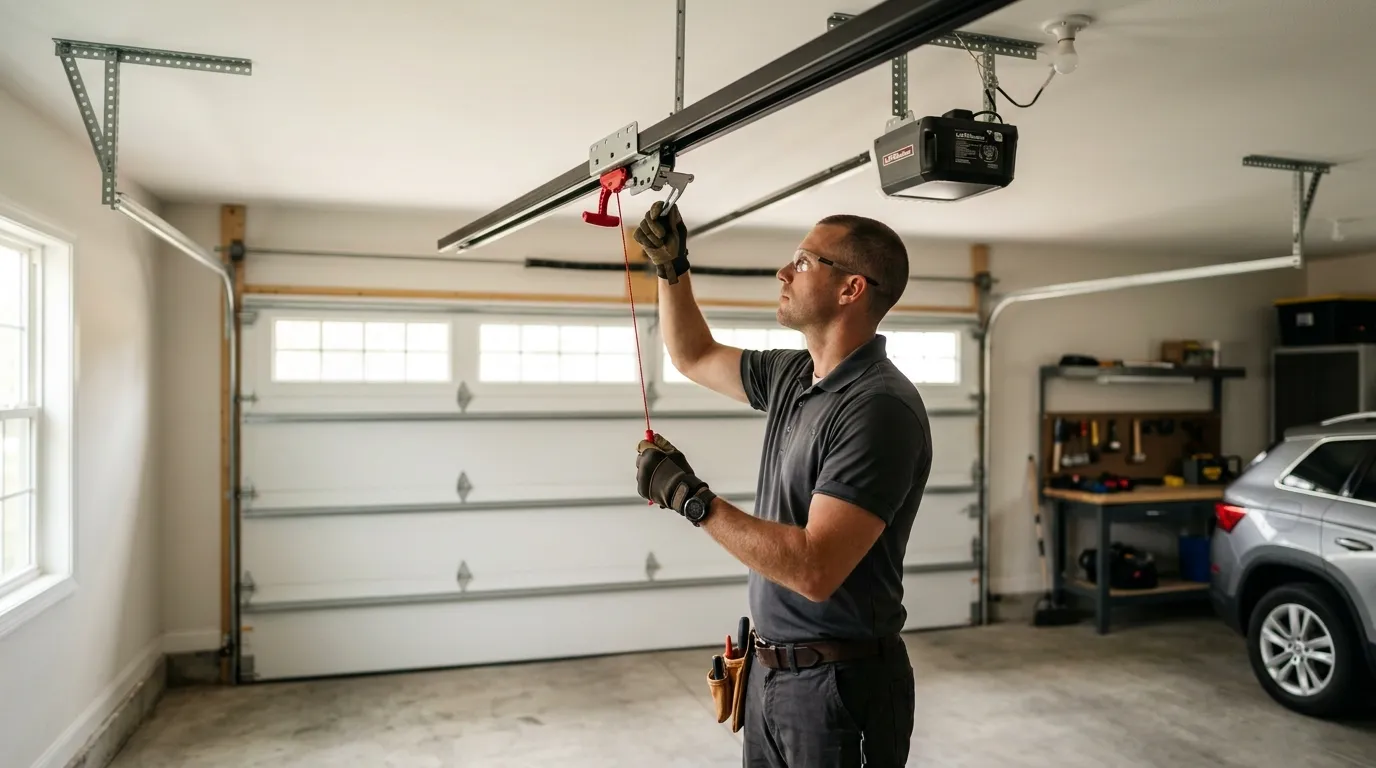
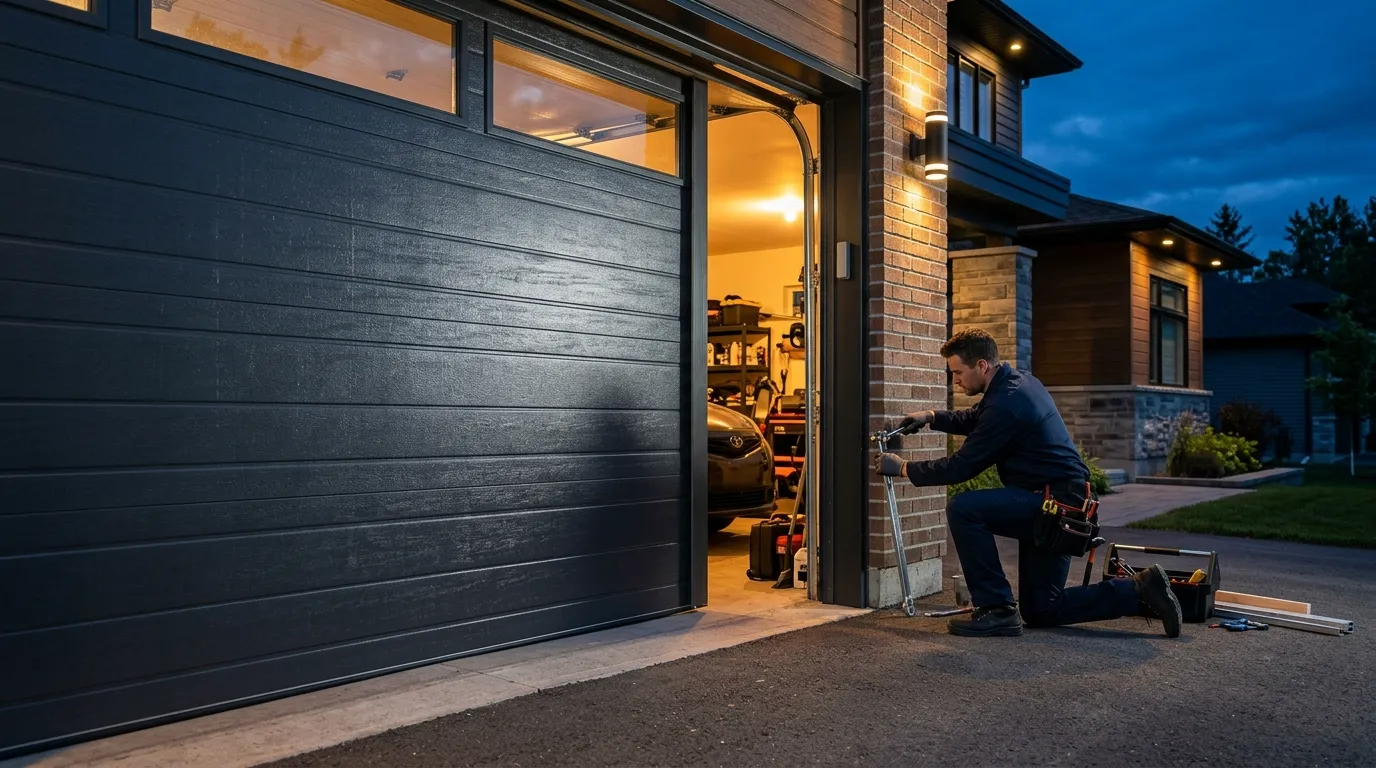
We don't quote a flat number for Raytown sight unseen, because the two most common jobs here aren't the same job. A house built around 1963 usually still has its second or third opener by now, and the springs on it have probably been swapped at least once already. That's a different bill than a torsion spring that's original to the house and finally giving out after six decades of Kansas City winters. What we can tell you is that the fix depends on what's actually failed - a broken cable, a cracked bottom panel, a dead capacitor in the opener - and we price the visit once we've looked at the door, not before. If a part's obsolete, that shows up in the number too. We'd rather tell you the range is wide than pretend it's fixed.
Getting It Booked In
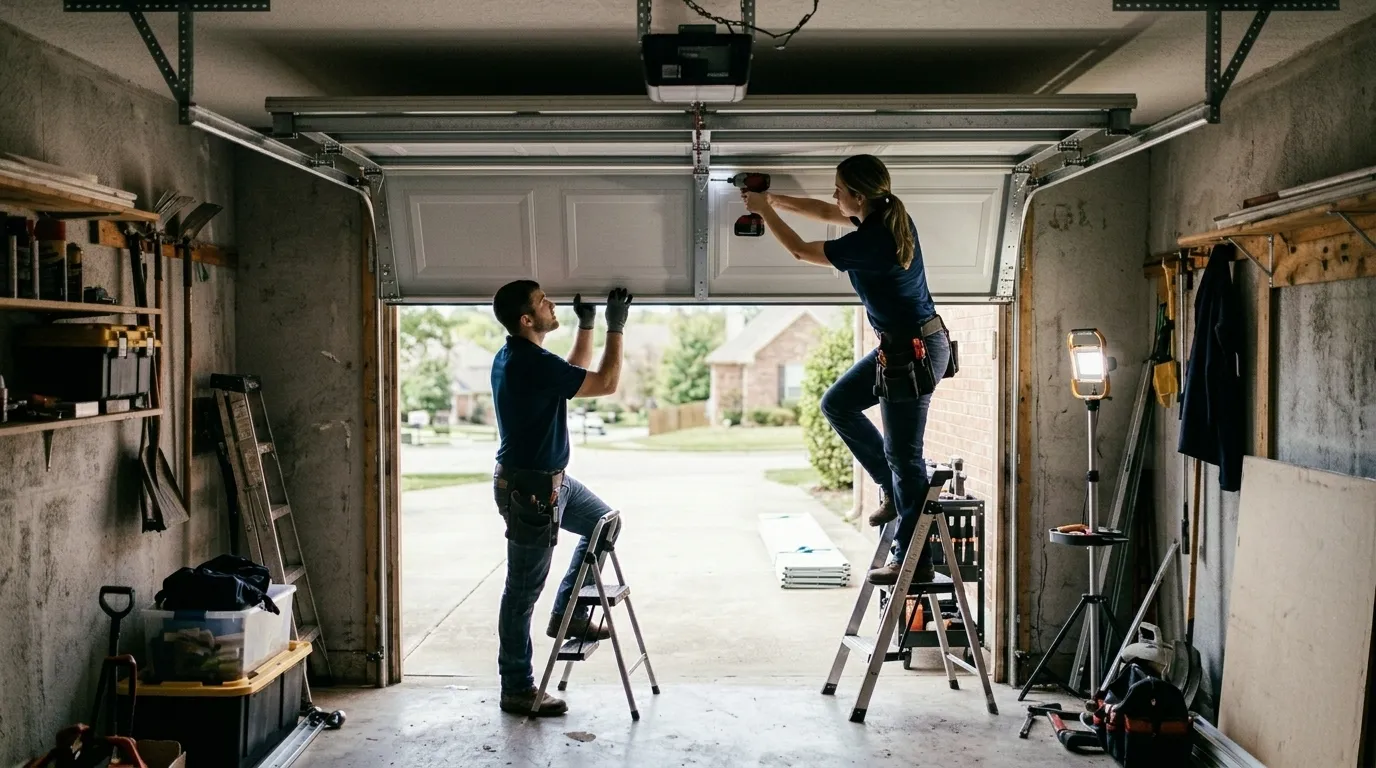
We're based out of Kansas City and travel to Raytown, about 10 miles out, for repair calls. We don't run a local branch or depot here, so we're not the crew to call for a same-hour walk-in - we're the crew you call and schedule a visit with. Tell us the door's symptom (won't open, opens partway, makes a specific noise, opener runs but door doesn't move) and roughly how old the door and opener are, and we can usually tell you over the phone whether it's a five-minute fix or a parts-order situation before we ever drive out.
Stocked Parts
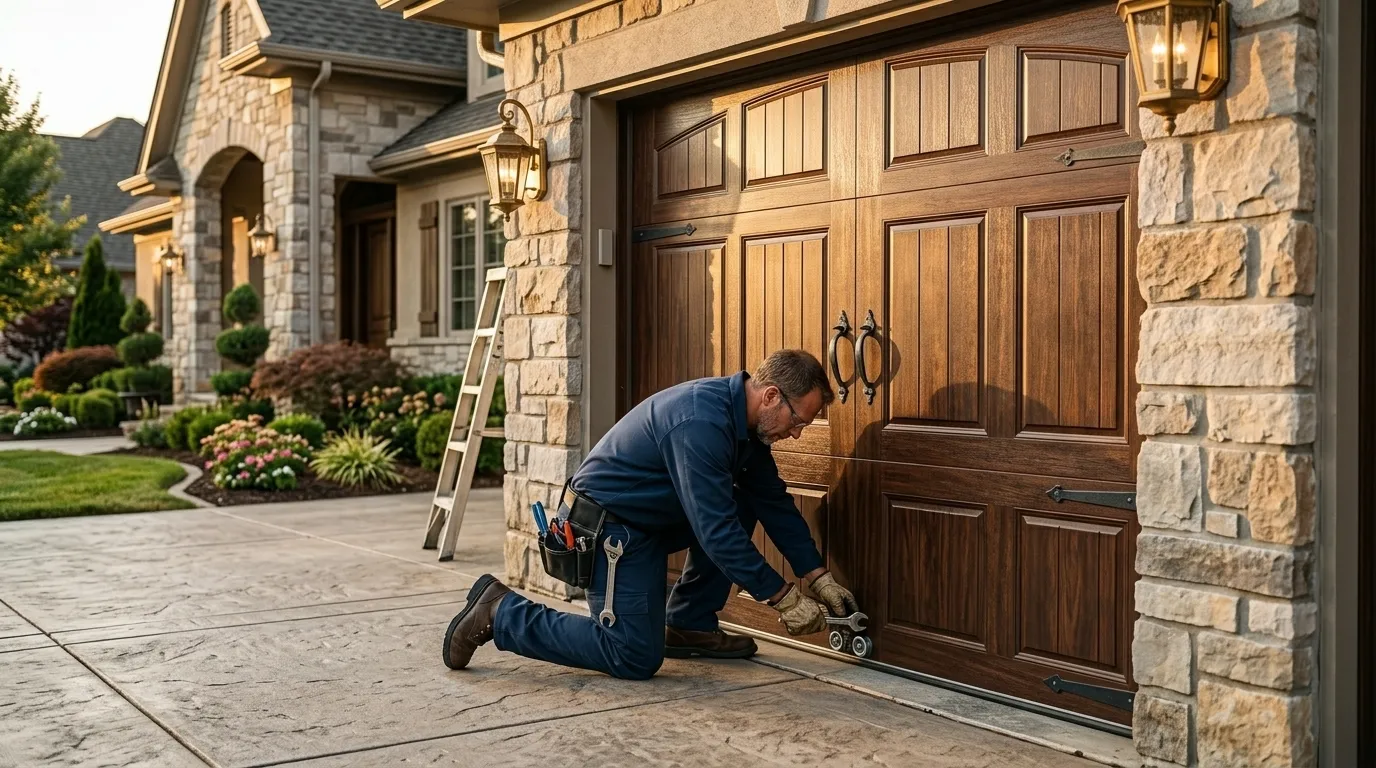
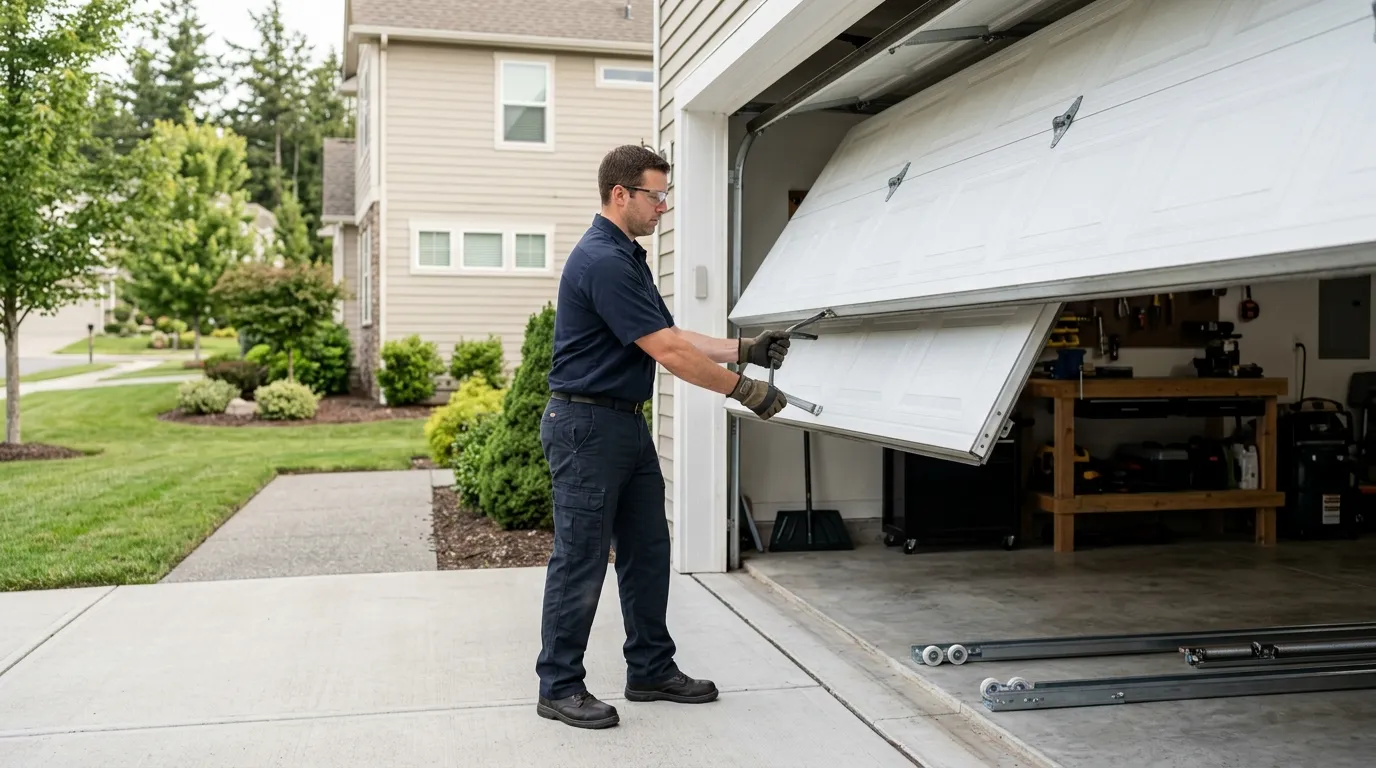
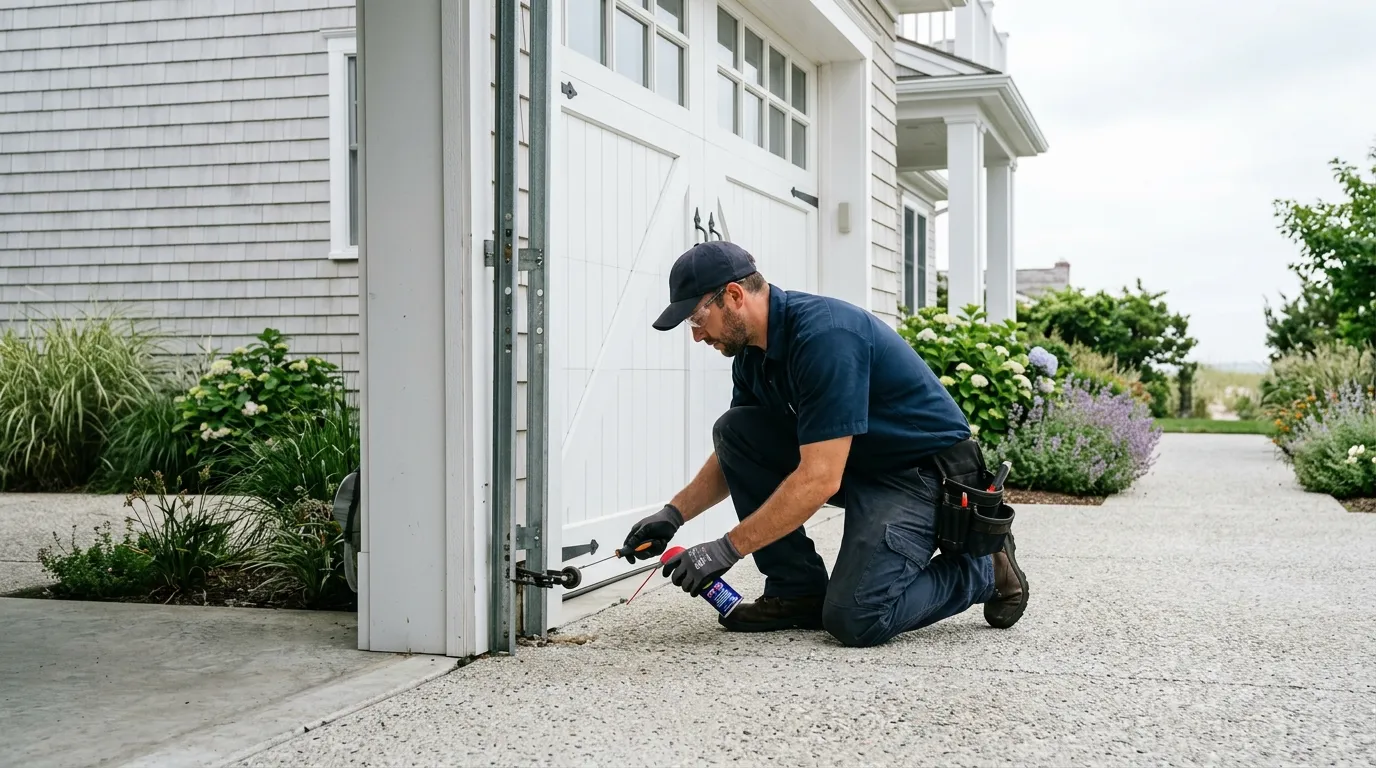
Most of what breaks on a Raytown door is common stuff: torsion springs in standard sizes, extension springs, rollers, cables, and the safety sensors that openers have required for years. Those we carry on the truck. What we don't stock on the truck is anything specific to a door that's a genuine holdover from the early-1960s build wave - certain track widths, some older one-piece hardware, and opener models that stopped being made a long time ago. On those, we tell you straight that it's a special-order part and give you a timeline instead of a promise.
The Complications
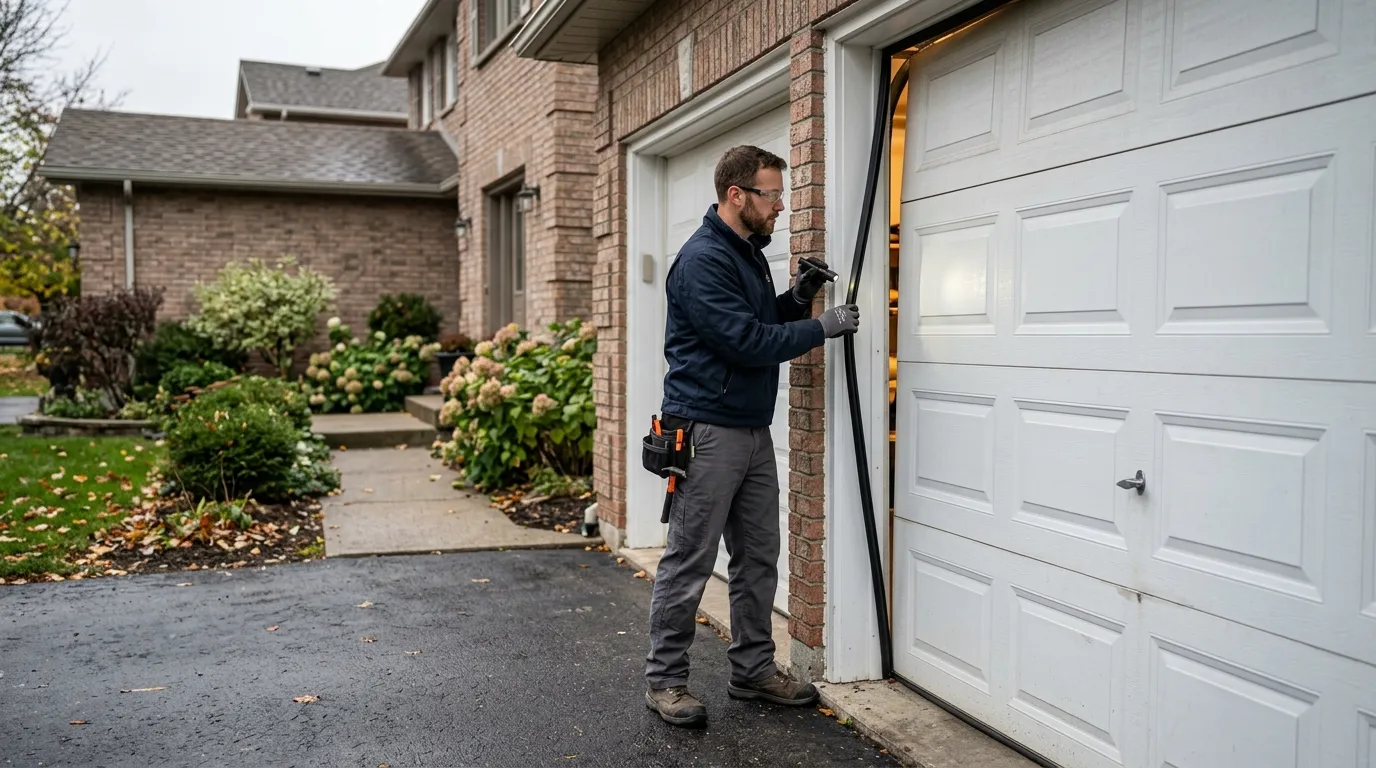
With 12,651 households in Raytown and a median income of $67,227 - a bit below the wider service area's $69,680 - repair-versus-replace decisions here tend to lean toward repair longer than they would in a newer, higher-turnover neighborhood. That's not a knock on the area; it just means we see more doors nursed past the point where a newer build would've been replaced outright. The complication is that nursing an old door works fine until the day a part genuinely isn't available anymore, and then the honest advice is to replace rather than keep chasing parts for a door that's outlived its hardware.