What It Costs
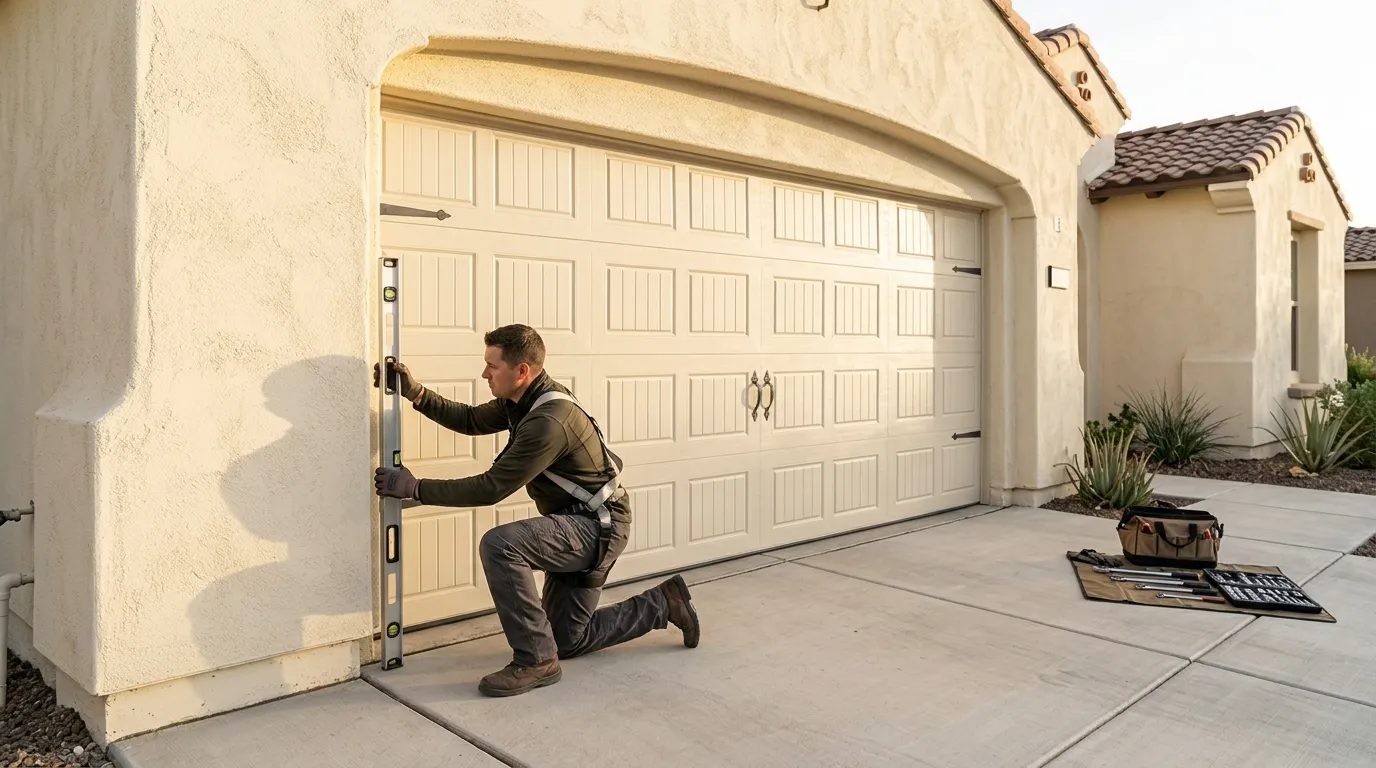
We don't quote commercial door work sight unseen, and Raytown is no exception. What we can tell you is what drives the number: door width, spring count, and whether the opener is original to the building or a later swap. Raytown's commercial stock mostly went up in the same wave as the surrounding housing - median build year across this side of the metro sits around 1963 - which means a lot of bays here still run steel sectional doors on torsion hardware sized for an era before today's insulated commercial panels. That older hardware is often cheaper to fix than to match new, at least until the drum or shaft is worn past the point of reuse. A single-spring commercial door built to 1960s spec costs less to service than a modern high-cycle door with two springs and a heavier gauge track, simply because there's less hardware to replace. We'll tell you straight which category your door falls into before we start pricing parts.
Getting It Booked In
We run out of Kansas City, about 10 miles from Raytown, so we're not sitting on a bay next door - we schedule the run out to you same as we do for the other suburbs on this side of the metro. That means we ask a few questions up front: door width, whether it's manual or motorized, and how long it's been acting up, so the truck that shows up has the right spring size and cable length rather than a guess. We don't keep a branch or drop-in counter in Raytown itself, so booking ahead beats a same-day walk-in every time, especially if the part needed isn't a stock size.
Stocked Parts
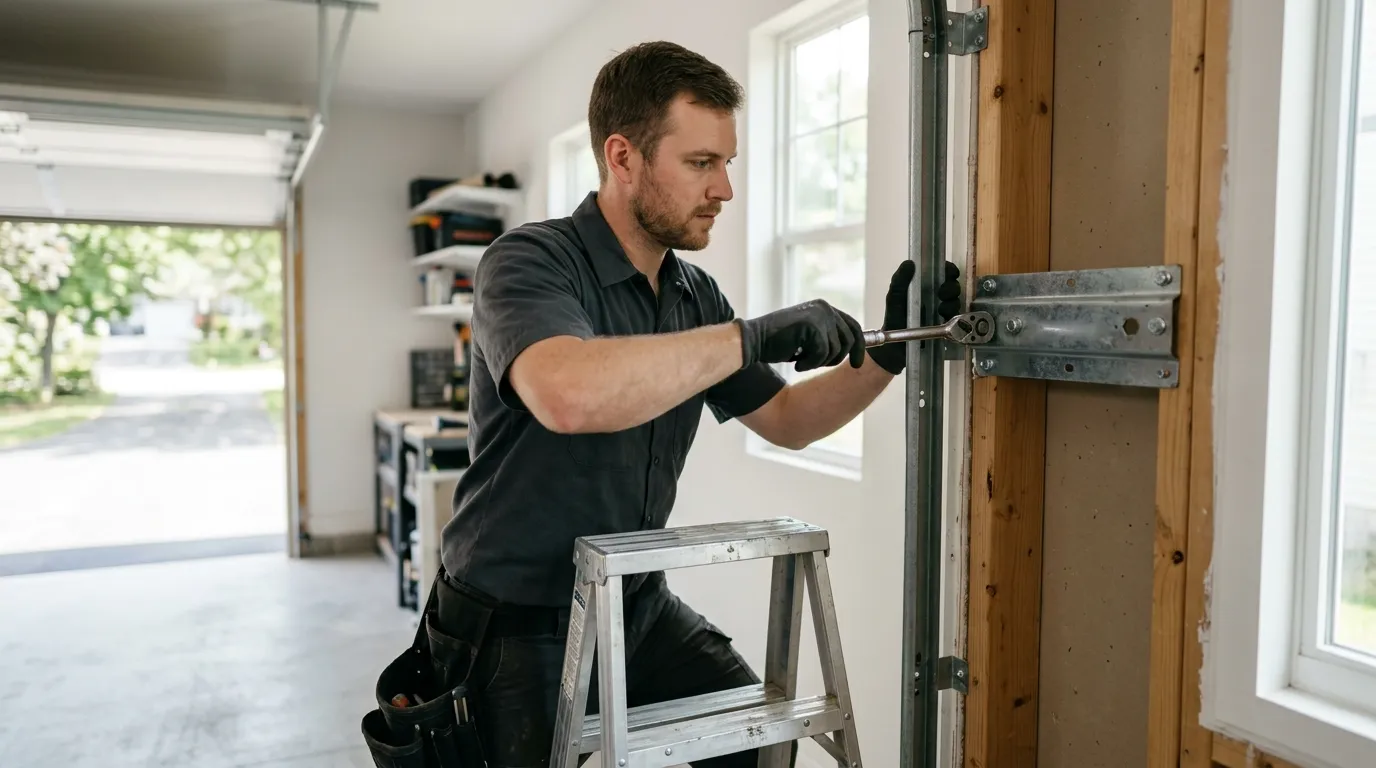
Because so much of Raytown's commercial building stock traces back to the early 1960s construction wave, we carry the torsion springs, drums, and cable gauges that match that era's door widths - the sizes that got installed once and never touched again until something breaks. What we don't keep on the truck is anything custom: oversized high-cycle springs for doors wider than standard commercial bays, or opener boards for a proprietary system that's been discontinued. On those, we're ordering the part same as anyone else, and we'll say so rather than stall you with a wrong-size fix. Cold-climate weatherstripping and bottom seals are stocked standard, since this region's winter cold falls in the severe band and a gapped seal at the slab costs a business more in heat loss than the seal itself.
The Complications
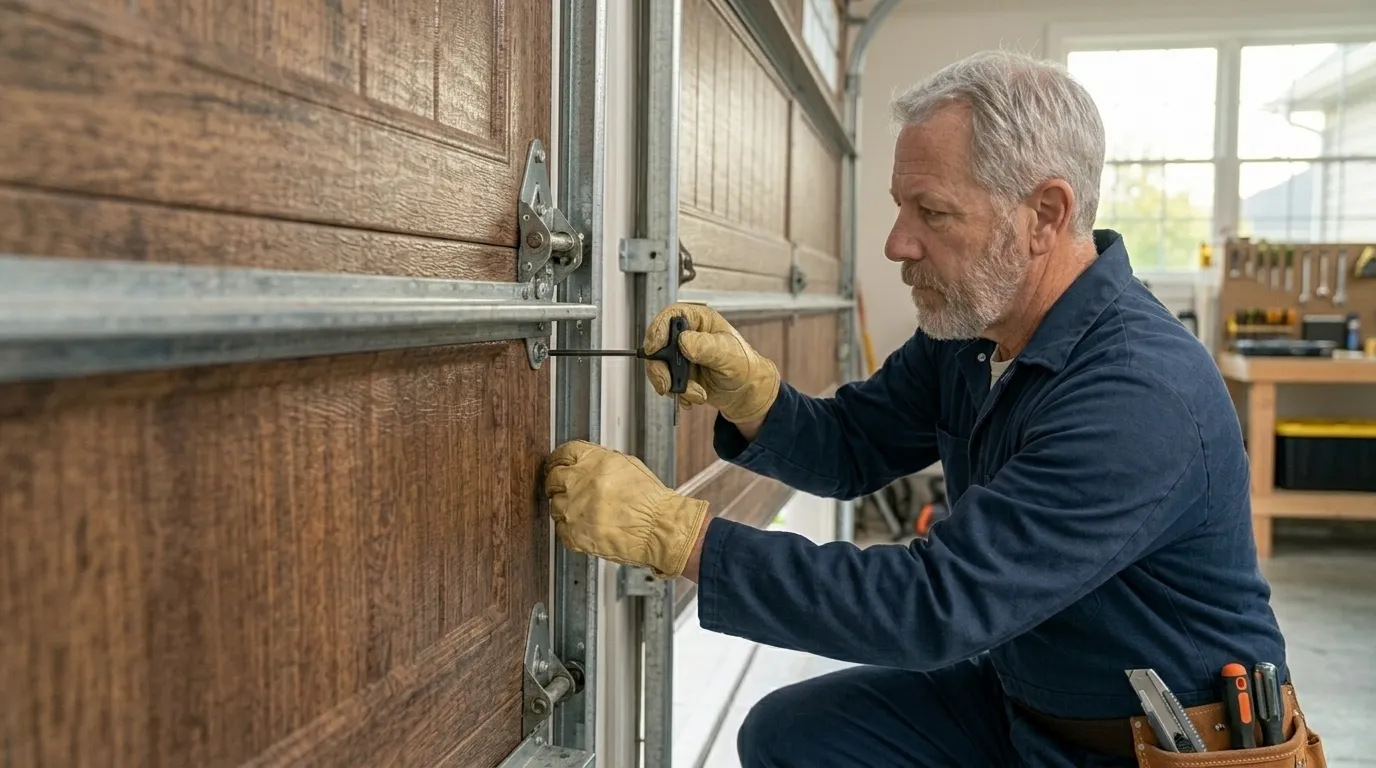
Every commercial door job in this part of the metro runs into the same two snags: what's behind the wall, and what's already been changed. A building from the early 1960s wave may have had its opener swapped once or twice since, and the wiring or safety sensor setup from that swap doesn't always match what a current door needs - sometimes we're correcting a previous fix along with the original problem. The other complication is straightforward: we're coming from Kansas City, not from a shop around the corner, so a job that turns out to need a part we don't carry on the truck means a second trip. We'd rather tell you that up front than have it be a surprise on-site.