Stocked Parts
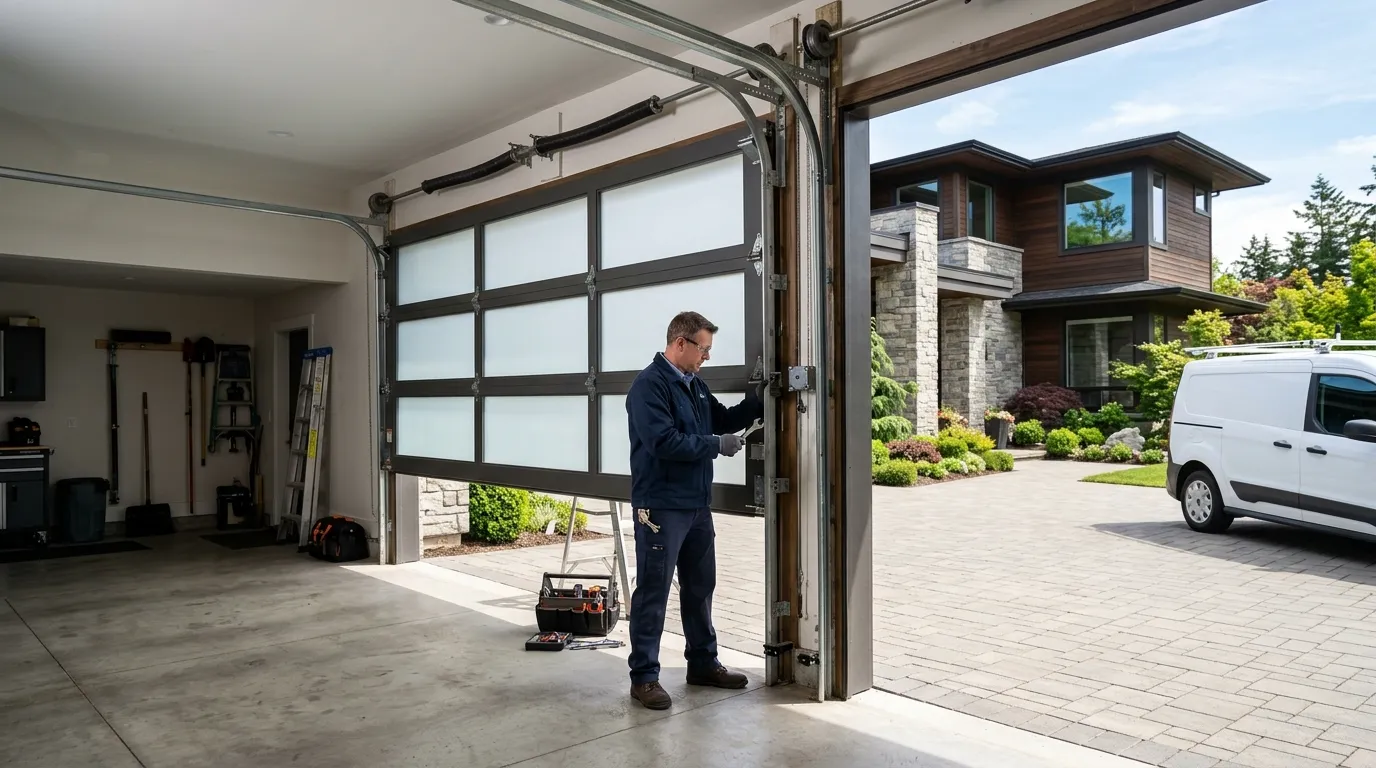
Most of the cable work we do out this way is on torsion-style setups, not the older extension-spring doors you'd find in an area built decades earlier. Smithville's housing stock centers on a median build year of 1996, which means the door hardware underneath those panels is almost always a torsion drum and cable system rather than the side-mounted pulley-and-extension-cable rigs common on much older houses. We carry galvanized lift cables sized for standard torsion drums, along with the aluminum fittings and cable clips that hardware from this era typically uses. What we don't stock on the truck is anything custom - if a door has a non-standard drum diameter or an odd cable length from a builder-grade kit that's since been discontinued, that part gets special-ordered and the job gets scheduled in two visits instead of one. That's the honest limit: we can fix the common failure same-visit, but a rare part means a wait.
Because the neighborhood is younger than a lot of what we service closer to Kansas City, we're not dealing with the seized, rusted-solid cable drums you find on 1970s doors. The failures here are more often fatigue-related - a cable that's done its job for 25-plus years and is finally past its rated cycle count.
What the Fix Involves
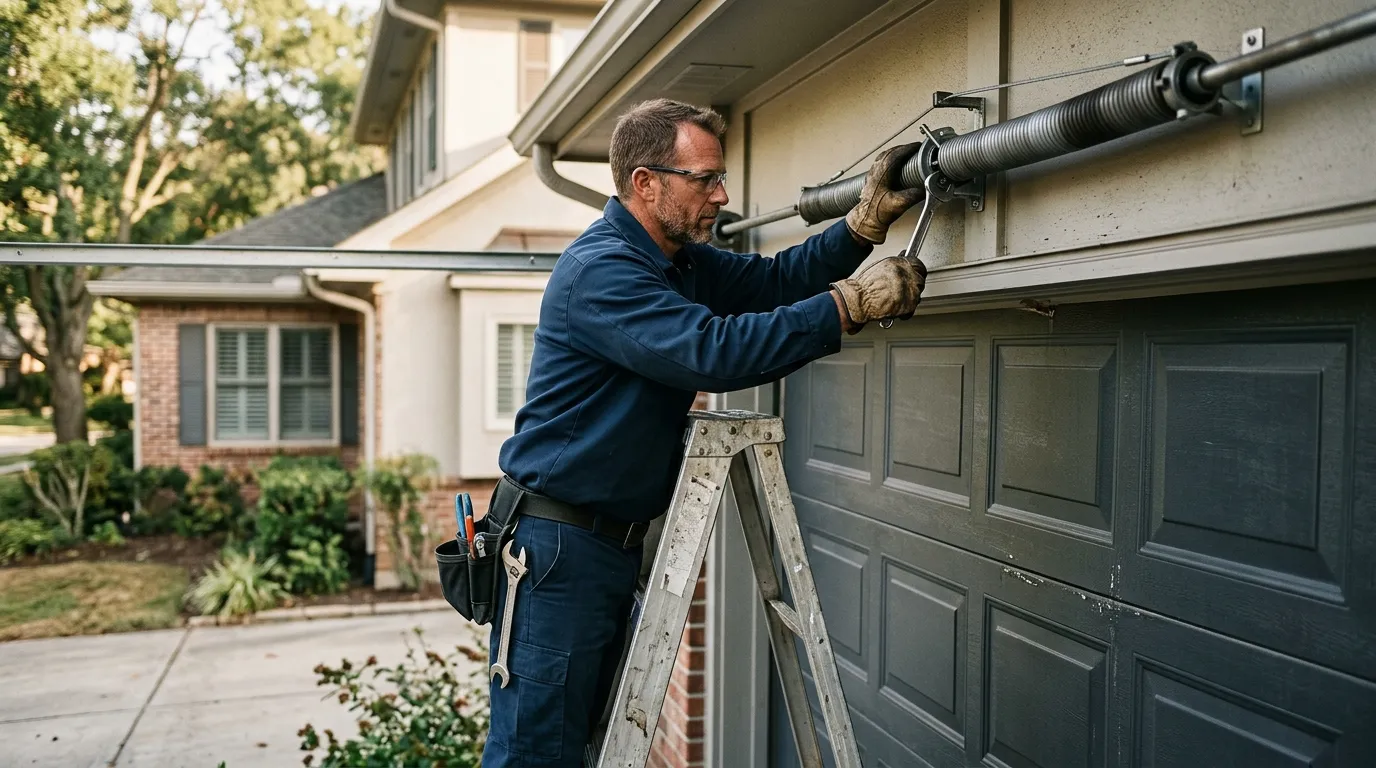
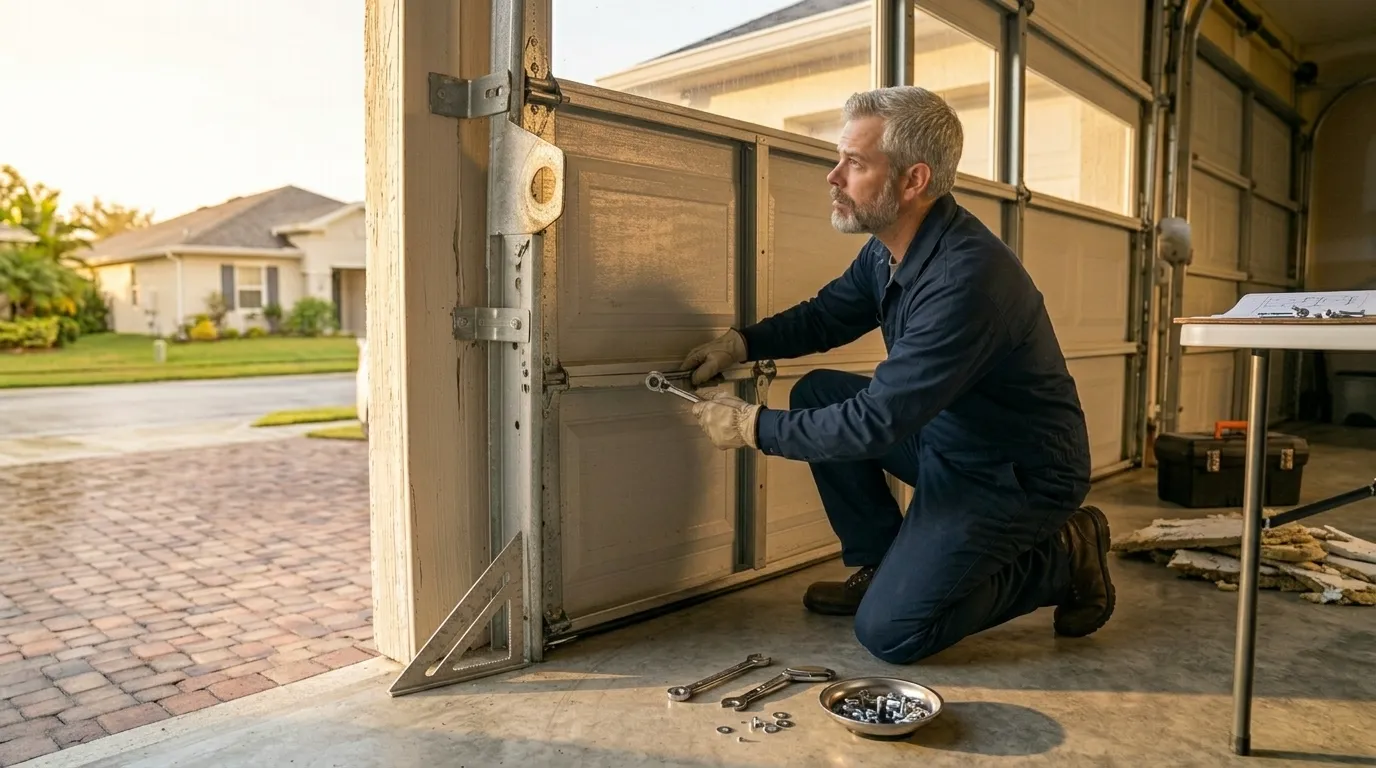
We start by checking whether one cable failed or both. On a torsion system, if one side goes, the other is usually close behind on the same cycle count, so we replace them as a pair even if only one has snapped - doing one side alone just means a second call in a few months. Before touching the cable, we release tension on the torsion spring safely; this is not a step to skip or shortcut, and it's the main reason cable repair isn't a homeowner job.
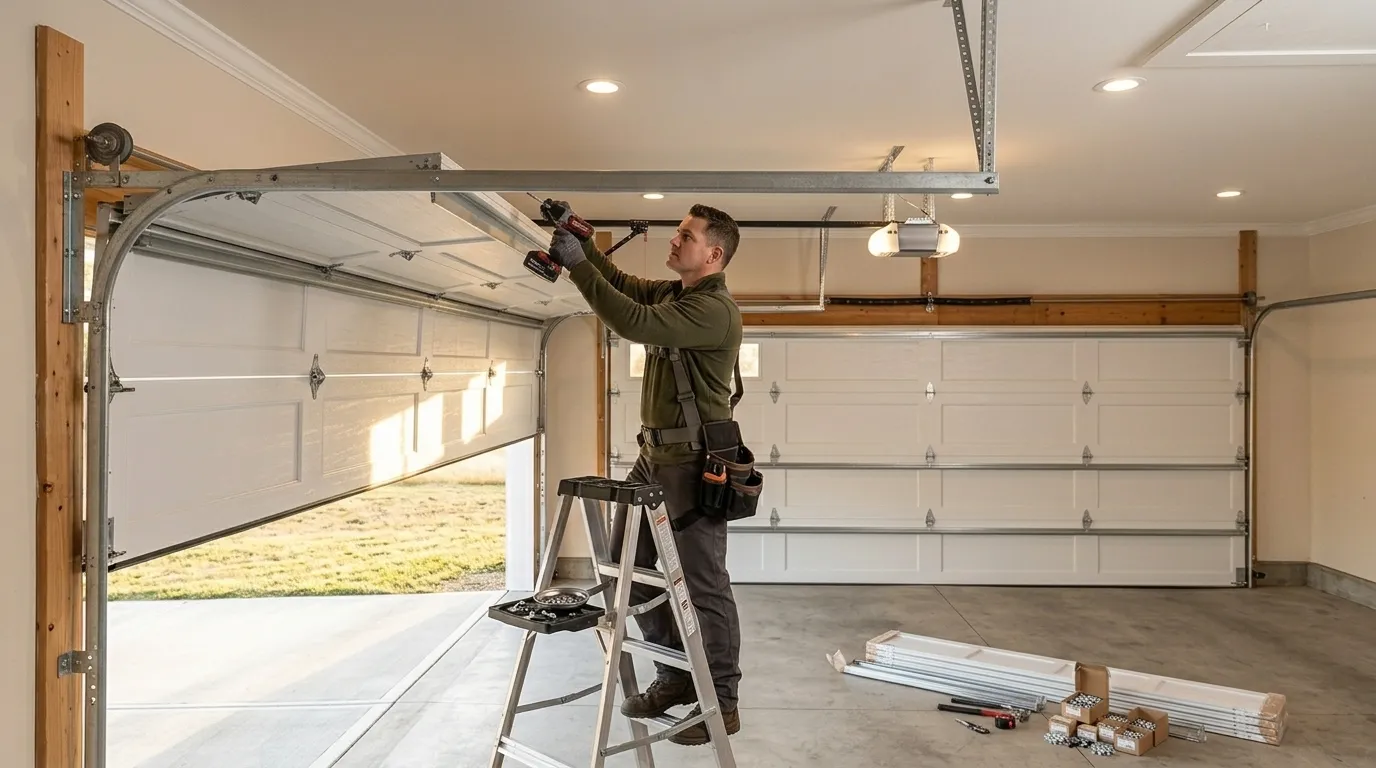
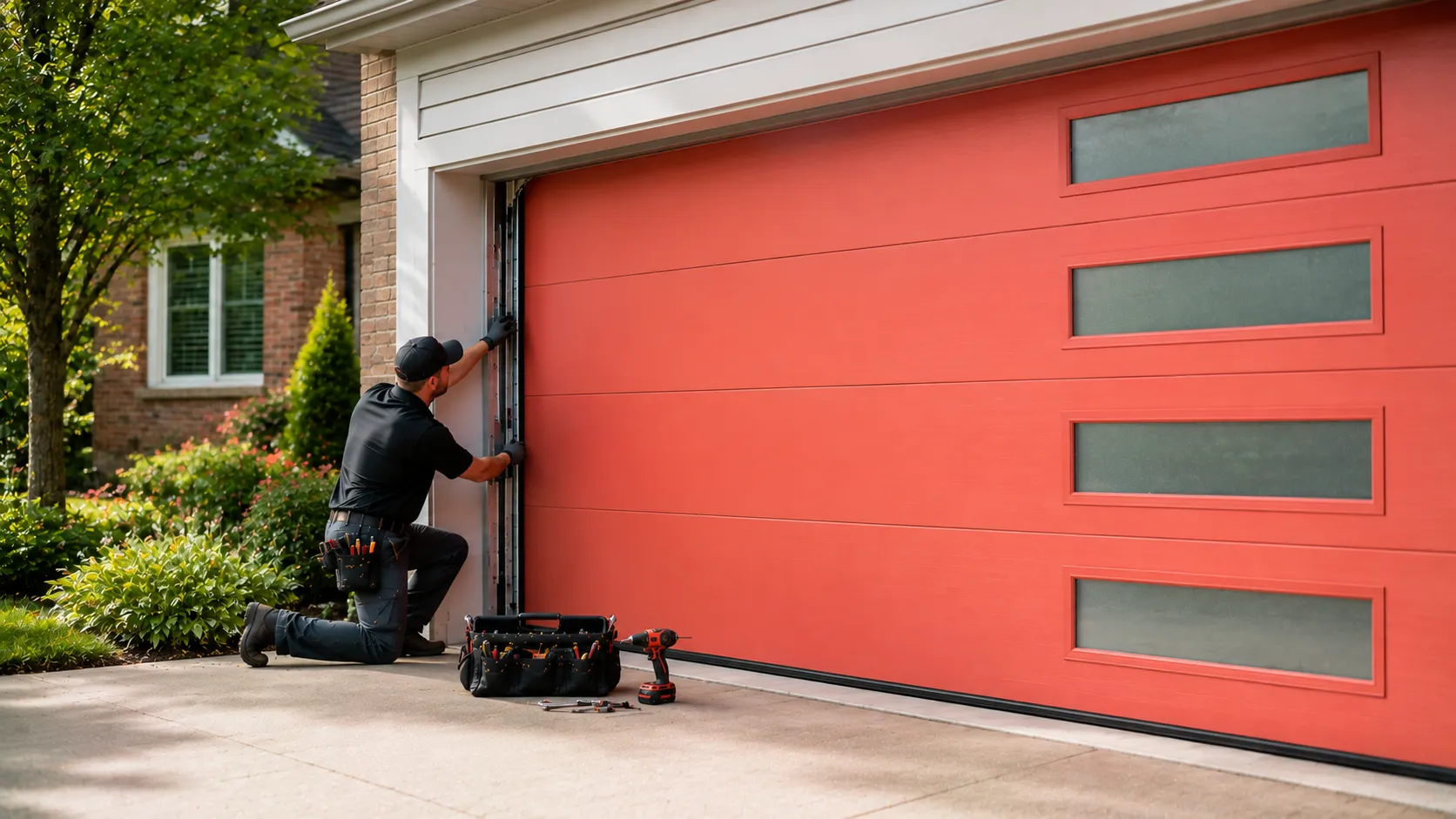
With tension off, we pull the old cable off the drum, check the drum grooves and bottom bracket for wear, and run the new cable through the track rollers to the bottom fixture. Then we re-tension the spring to the door's factory setting and cycle the door several times, checking that the cable tracks straight in the drum groove without crossing over itself. On a standard double door in decent shape otherwise, this is usually a same-visit repair, not counting the rare special-order part mentioned above.
What It Costs
We don't have a fixed number to publish here that would hold up across every job - drum wear, spring condition, and whether one or both cables need replacing all move the price. What we can say is that a straightforward cable swap on a standard torsion door, done during the same visit we diagnose it, tends to cost less than jobs where we also find a worn drum or a spring that's past its own rated cycles and needs replacing at the same time. If we find that second issue mid-repair, we'll quote it before doing the work, not after.
The Complications
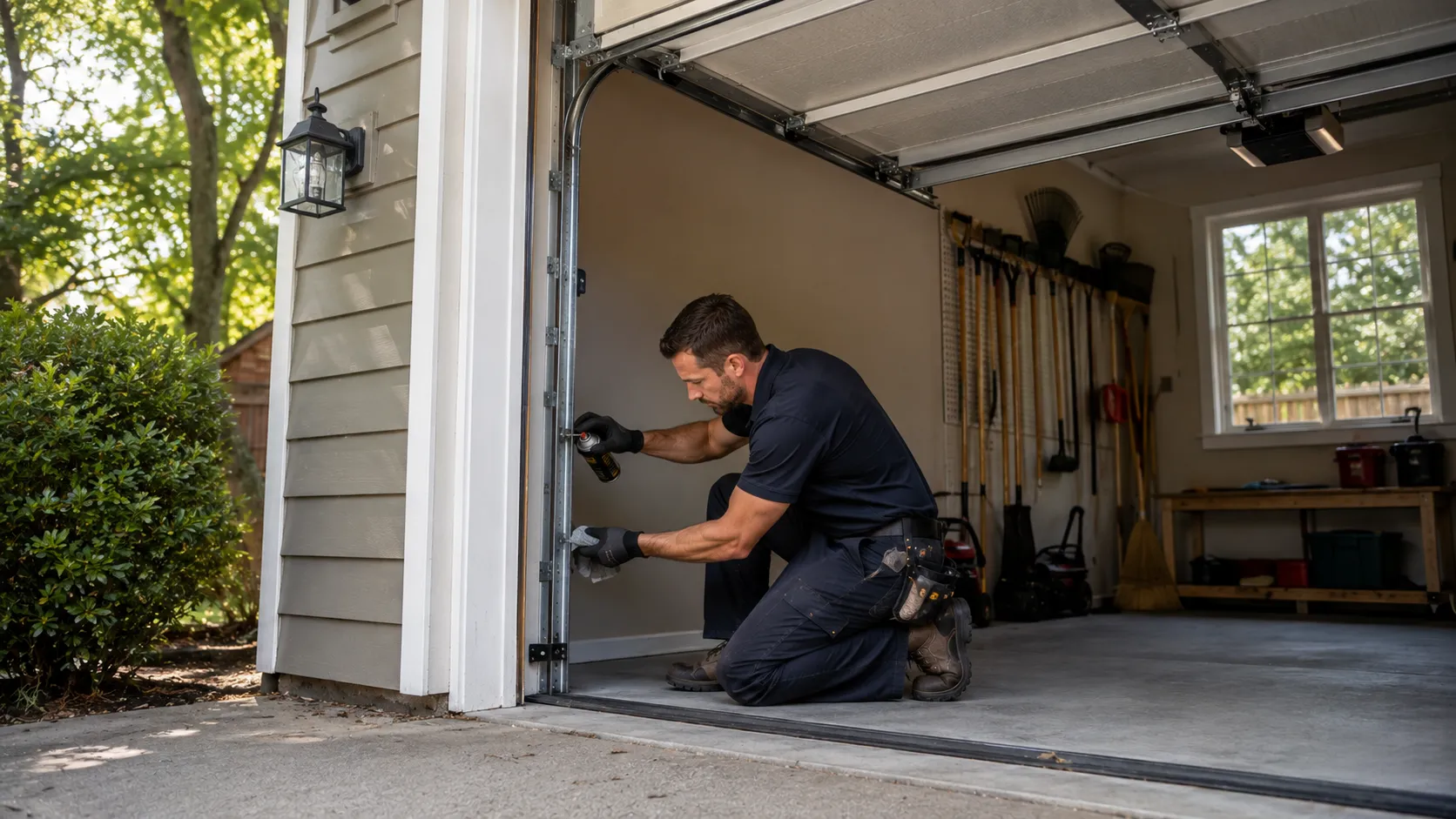
A snapped cable rarely comes alone once a door's original hardware is 25-plus years old. We often find the cable failure is the first visible sign of a drum that's worn oval instead of round, or rollers that have been dragging in the track for years without anyone noticing until something finally gave. On heavier insulated double doors - more common in this income bracket than lighter single doors - a worn drum under new cable tension can shear again within months if it isn't replaced alongside the cable.
The other complication is winter timing. In a severe cold climate band, cable and spring failures cluster in the coldest stretches of the year, when steel is least forgiving and doors get cycled hard for holiday travel and deliveries. If your door's original hardware dates to the mid-90s build era common across Smithville, a cable failure now is closer to a maintenance milestone than a fluke, and it's worth having the drum and rollers checked in the same visit.